

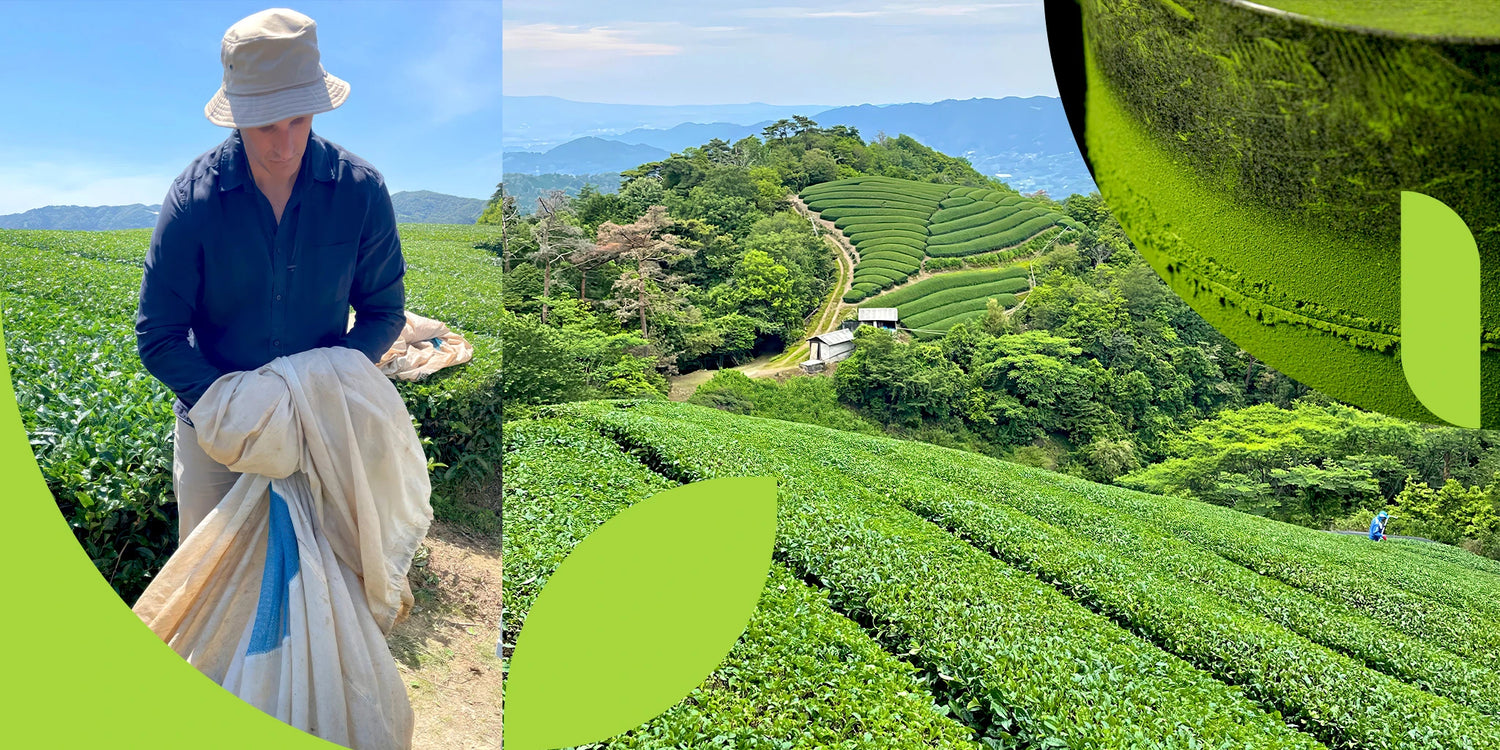
Authentic Uji Matcha from Japan
Premium Health Japan specialises in authentic Uji matcha sourced and produced in Kyoto, Japan.
Based in Osaka and working directly with Japanese tea farmers, we produce small-batch matcha from carefully shade-grown tea leaves, stone-milled to preserve freshness, vibrant colour, and flavour.
Rather than mass-market blending, we focus on transparency, origin, and traditional production methods. Whether enjoyed prepared traditionally, as a daily latte, or as part of a complete matcha set, our collection reflects the true characteristics that define high-quality Uji matcha.
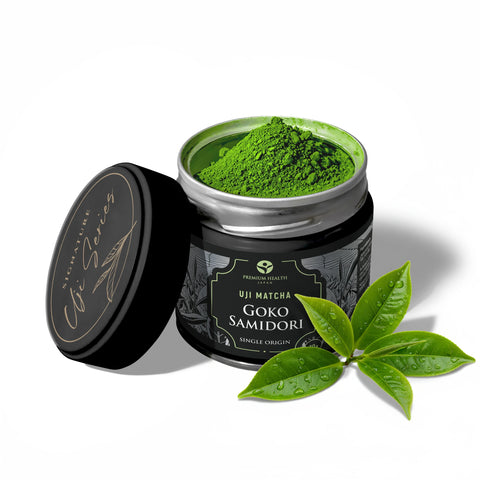


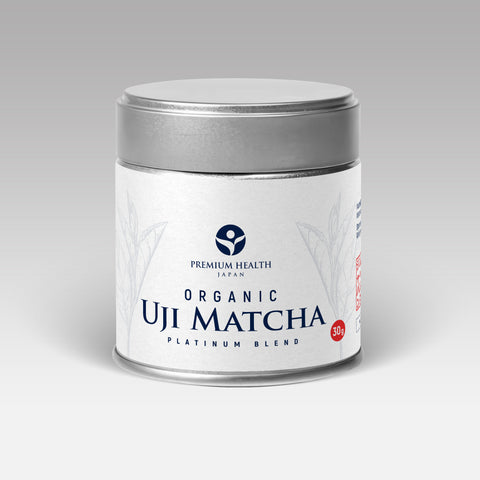


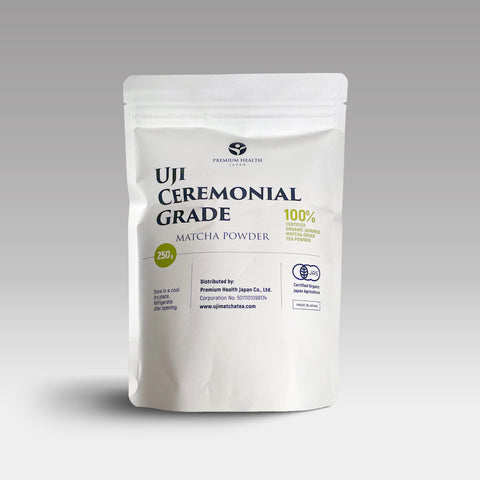
Smooth umami, vibrant green colour, and calm, sustained energy — matcha has been enjoyed in Japan for centuries as both a daily drink and a ceremonial tea. Our Uji matcha is stone-milled in Kyoto using traditional methods to preserve flavour, aroma, and freshness.
Trusted & Registered in Japan
Official registrations, certifications, and memberships that verify our operations and origin in Japan.

Member, Osaka Chamber of Commerce & Industry
Premium Health Japan Co., Ltd. is an official member of the Osaka Chamber of Commerce & Industry (OCCI), supporting legitimate business operations and trade activities in Japan.
Learn more about the Osaka Chamber of Commerce & Industry

Uji Matcha – Kyoto Processing Standard
We acknowledge and respect the Uji Matcha regional indication listed by the Japan Patent Office. All Uji matcha we offer complies with the recognised processing standards and origin requirements for Uji, Kyoto.
View the Uji Matcha regional indication (Japan Patent Office)

Registered Japanese Corporation
Premium Health Japan Co., Ltd. is a registered Japanese corporation, officially listed with the National Tax Agency of Japan and operating in accordance with Japanese commercial regulations.
View our official corporate registration (National Tax Agency)
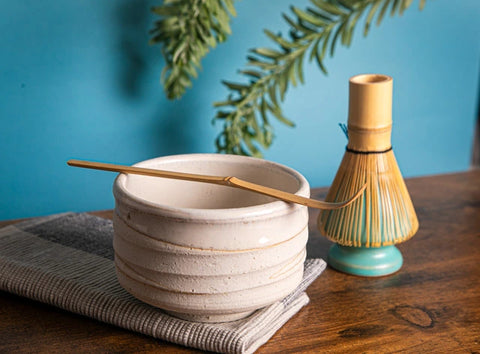
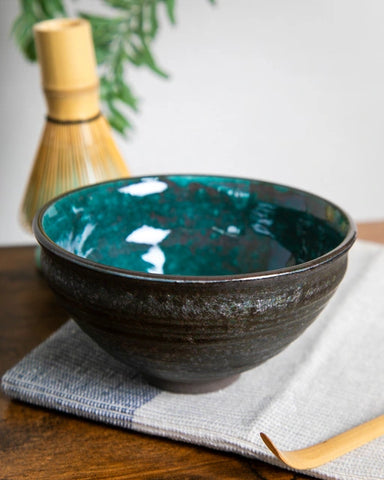
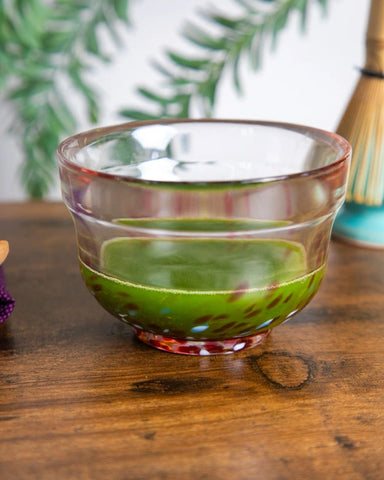
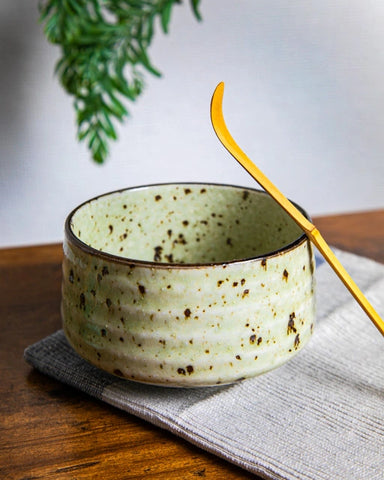


https://cdn.shopify.com/videos/c/o/v/323870baa68f491b90ceebda80ea94b2.mp4
Our Matcha. Our Process. Our Craft.
We work closely with independent tea farmers in Uji and Kyoto Prefecture who follow traditional shading, harvesting, and stone-milling techniques. Each batch is produced in small volumes to preserve freshness and flavour.
What makes Uji matcha different?
Great Uji matcha is defined by a smooth umami profile, vibrant green colour, and a clean finish. The difference starts with shade-grown tea leaves (tencha), then careful milling into a fine powder that whisks easily and tastes naturally sweet rather than bitter.
Choose by how you drink it
- Traditional bowl (usucha): smooth umami and a clean finish — best with a bamboo whisk.
- Lattes: bold, vibrant matcha that stands up beautifully with milk.
- Gifting / getting started: our matcha sets bundle the essentials.
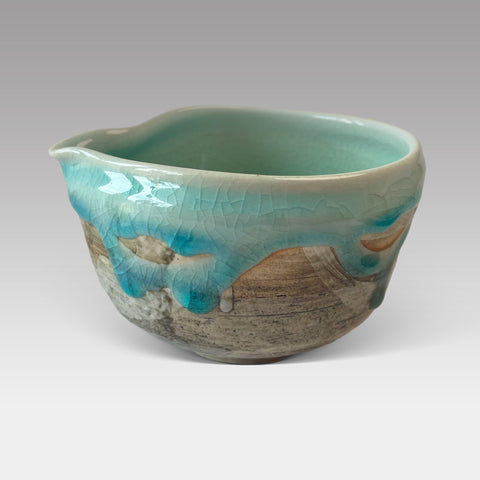
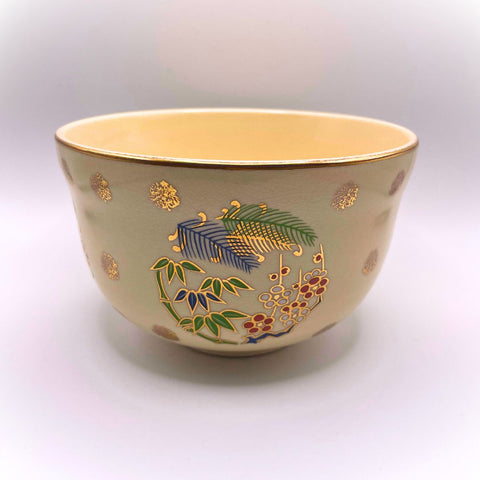
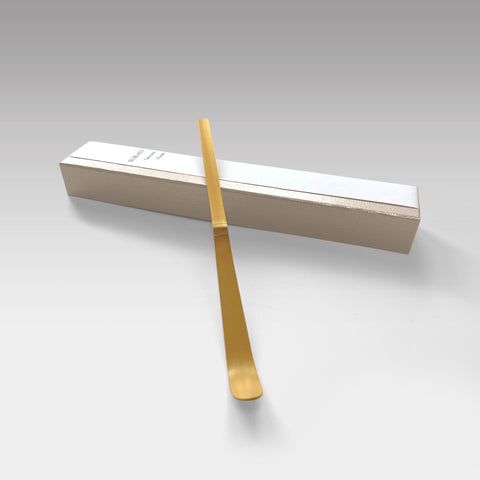
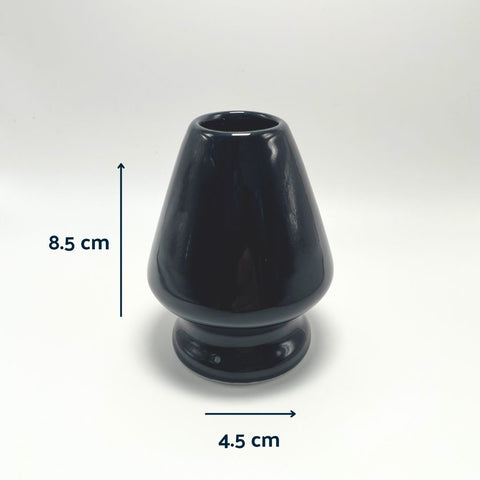
Shop the full range: matcha products • accessories • matcha bowls • matcha whisks.
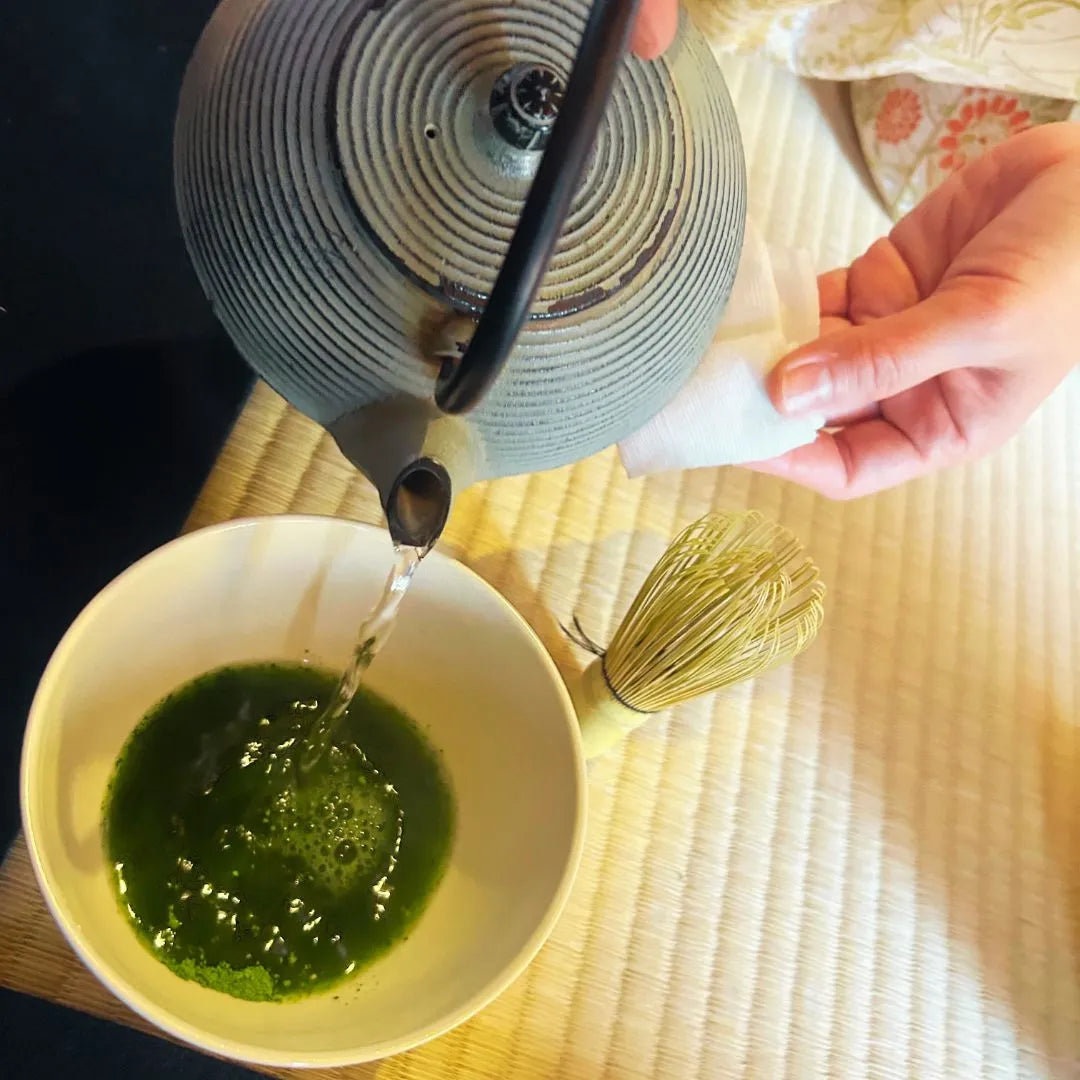

How to Prepare Matcha
1. Sift 1–2g of matcha into a bowl.
2. Add 60–70ml of hot water (75–80°C).
3. Whisk briskly in a zig-zag motion until frothy.
4. Enjoy immediately.
For lattes: Whisk 1–1.5g matcha with a splash of hot water, then add milk.
Want the full method? See our step-by-step brewing guide.
Frequently Asked Questions
About Premium Health Japan
Premium Health Japan Co., Ltd. is based in Osaka, Japan, specialising in authentic Uji matcha and handcrafted Japanese tea tools.
We ship worldwide from our hubs in Japan, the USA, Austria, and Australia, supporting customers with reliable service and fresh, small-batch matcha.
Looking for the right matcha?
Start with our matcha products, then choose your tools: chasen for proper whisking and matcha bowls for comfortable preparation. For gifting or getting started, browse matcha sets.

Matcha Shortage & Price Surge in Japan 2025 – What's Really Happening?
Matcha prices have more than doubled in 2025, and supply from Kyoto has dropped sharply. As a Japan-based matcha exporter, we break down what’s really happening—and what it means for...
What’s happening, what caused it, and what to expect next
Updated: This article is maintained as new official data is released.
Last updated: December 2025
If you’ve recently tried to buy matcha—especially high-grade ceremonial matcha—you may have noticed something unusual: rising prices, limited availability, and delayed shipments.
We’re based in Japan and work directly with tea farms, cooperatives, and manufacturers. Below is a clear, data-backed breakdown of what’s happening in the Japanese matcha industry and what it means for buyers worldwide.
📉 Matcha Supply Is Down — Especially in Kyoto
Matcha is made from tencha, a shaded green tea leaf. In 2025, Kyoto Prefecture—home to traditional Uji matcha—saw steep production declines in key categories:
| Tea Type | 2024 Volume | 2025 Volume | Change |
|---|---|---|---|
| Uji Tencha (hand-picked) | 10,216 kg | 6,140 kg | –40% |
| First-harvest Tencha (machine-picked) | 529,960 kg | 434,521 kg | –18% |
These figures are consistent with broader industry reporting and the national trends summarized by Japan’s Ministry of Agriculture, Forestry and Fisheries (MAFF).
💴 Prices Rose Sharply at Auction
With reduced supply and sustained global demand, tencha auction prices rose substantially in 2025:
| Tea Type | 2024 Price/kg | 2025 Price/kg | Change |
|---|---|---|---|
| Uji Tencha | ¥20,024 | ¥43,330 | +116% |
| First-harvest Tencha | ¥5,402 | ¥14,541 | +169% |
These increases are highly unusual by historical standards and are already affecting availability and pricing across export markets.

Note: Kyoto figures help explain why high-end Uji matcha has become harder to source even when nationwide output appears more stable.
🔍 What’s Driving the Shortage?
This isn’t a single-issue event—it’s a combination of demand growth, production constraints, and structural shifts:
1. Global Matcha Demand Continues to Expand
Matcha consumption has grown beyond tea ceremony and home preparation into cafés, food manufacturing, supplements, and cosmetics—placing sustained pressure on limited supply.
2. Climate and Agricultural Constraints
Industry and government reporting note increasing climate stress on tea cultivation, including unusually hot and dry spring conditions in recent years. These conditions can reduce yield and complicate quality production—especially in regions where traditional methods remain common.
3. Structural Shifts in Tea Production
Nationally, more producers are converting fields from sencha to tencha. This supports long-term supply, but it does not instantly replace the loss of top-grade, carefully produced material (especially hand-picked or tightly specified lots).
4. Rising Costs (Labor, Fuel, Fertilizer, Packaging)
Higher input costs have pushed up production costs across the board, with additional pressure on organic and hand-picked teas that require more labor and smaller-batch handling.
If you’re shopping for authentic Japanese matcha during this period, you can browse our retail selection here: Uji matcha products.
🗾 What Does National Data Show?
Nationally, tencha production has increased over the past decade, driven in part by rising international demand. However, MAFF also notes that growth is uneven—meaning the availability of the highest-grade material can tighten quickly when key regions face poor yields.
Source: MAFF – Current Conditions Surrounding Japanese Tea Production (お茶をめぐる情勢)
🔮 What to Expect Going Forward
✅ Prices May Stay Elevated Short-Term
Some stabilization may occur depending on upcoming harvest outcomes, but pricing is unlikely to return quickly to earlier lows while demand remains strong and production constraints persist.
✅ Supply Is Becoming Relationship-Driven
A key reality in today’s market is that many farms and primary suppliers are prioritizing existing customers. In practical terms, that means new buyers often struggle to secure consistent high-grade stock—especially if they are switching suppliers mid-season or requesting unusually short timelines.
✅ “Authentic Matcha” Is Still Available—With Better Planning
Matcha is not going away. But buyers may need to plan further ahead, be more flexible on specs, and work with suppliers who have stable, long-term access to production.
💬 What We’re Doing at Premium Health Japan
We’ve built long-term relationships with multiple farms and manufacturers well before the current matcha boom. That history matters. Because we’ve supported our partners consistently over time, we have more stable access to stock than newcomers typically can.
- We lean on established supply relationships across multiple producers and processing partners.
- We protect quality and consistency by planning lots and lead times carefully.
- We vet inquiries and work best with partners who understand the industry strain and communicate politely and realistically.
If you’re a wholesale buyer or OEM partner, you can request access to our wholesale price list here: OEM & Wholesale. (You’ll be prompted to register your email to view pricing.)
Tip: Your chances of receiving a positive supplier response improve when you demonstrate awareness of current market conditions, avoid unrealistic turnaround requests, and communicate with the politeness and clarity that are central to Japanese business culture.
📌 Additional Reading (Non-Commercial)
-
MAFF – Current Conditions Surrounding Japanese Tea Production (お茶をめぐる情勢) [PDF]
Official Japanese government overview of tea production, structural challenges, and long-term trends. -
MAFF – Tea Industry & Production Information (Japan)
Stable landing page for MAFF tea policy, statistics, and industry updates. -
Reuters – Japan’s matcha output hit by heat as global demand soars
Independent international reporting on climate impact and global demand pressures.
Note: Some Japanese government websites periodically reorganize or archive statistical pages without redirects. For this reason, we link to stable overview pages and official PDFs to ensure sources remain accessible over time.
Have questions about sourcing, OEM options, or availability?
Contact us — our bilingual team is happy to help.

A Guide to Matcha Cultivars: From Samidori to Okumidori
A beginner-friendly guide to matcha cultivars, from Samidori and Okumidori to rare Kyoto varieties like Gokō, Asahi, and Ujihikari. Learn how each cultivar influences umami, colour, and aroma.
A Guide to Matcha Cultivars: From Samidori to Okumidori
Behind every exceptional bowl of matcha is a cultivar — the specific tea plant variety from which the leaves are grown. Just like grape varieties in wine or cocoa varieties in chocolate, each matcha cultivar brings its own aroma, colour, umami depth and character.
In Uji, Kyoto — the birthplace of Japanese green tea — cultivars are carefully chosen for their suitability to shading, their flavour when stone-milled, and their performance in both traditional ceremony and modern latte culture.
This guide explores several of Japan’s most important matcha cultivars, including those grown by our partner farms in Uji and Wazuka: Samidori, Okumidori, Gokō, Asahi, Ujihikari, Yabukita and Saemidori.
Quick summary
- Samidori – smooth, sweet, traditional Kyoto-style umami.
- Okumidori – vibrant colour, rich umami, ideal for ceremonial use.
- Gokō – intensely aromatic, deeply savoury; prized for premium matcha.
- Asahi – elegant, creamy, extremely high-end with exceptional smoothness.
- Ujihikari – rare Kyoto cultivar with refined sweetness grown in very limited quantities.
- Yabukita – Japan’s most common cultivar; versatile and balanced.
- Saemidori – vibrant green, naturally sweet; excellent for lattes and ceremony.
Not sure what “cultivar” means? Explore the basics here: What Is Matcha? A Beginner’s Guide
Samidori
Characteristics
Samidori is one of Uji’s most traditional matcha cultivars. Developed specifically for shaded tea, it produces a remarkably smooth, elegant matcha with deep jade colour and classic Kyoto sweetness.
Cultivation
Samidori thrives in the rolling hills of Uji and Wazuka. The bushes are shaded for 20–30 days before harvest, increasing L-theanine and reducing bitterness. After hand-harvesting, the leaves are steamed, dried into tencha, and slowly stone-milled into matcha.
Flavour profile
Balanced, sweet, creamy and low-astringency — Samidori is ideal for traditional usucha and, at higher grades, for thick koicha.
Okumidori
Characteristics
Okumidori is a deeper, more umami-forward cultivar with a famously vivid green colour. It is increasingly favoured by tea masters for ceremonial-grade matcha.
Cultivation
Okumidori benefits from a longer shading period. Its slightly thicker leaves respond well to careful temperature management during steaming and drying, resulting in a dense, richly coloured tencha.
Flavour profile
Full-bodied umami with minimal bitterness and a long, elegant finish. A perfect choice for those who appreciate rich ceremonial matcha, and a key component in many premium blends.
Gokō
Characteristics
Gokō is beloved for its fragrance — often described as creamy, chocolaty or reminiscent of steamed milk. It is a signature cultivar of Kyoto and frequently used in competition and award-winning matcha.
Cultivation
Gokō requires long shading and gentle handling. Many Uji farms grow it in small plots, focusing on quality rather than volume because of its delicate nature and exceptional aroma.
Flavour profile
Velvety, aromatic and intensely savoury, with a lingering sweetness. Gokō is a favourite among connoisseurs who enjoy complex, layered matcha.
Asahi
Characteristics
Asahi is considered one of Japan’s most refined matcha cultivars. Naturally high in amino acids, it produces an incredibly smooth, elegant tea when grown under long shading and handled with care.
Cultivation
Asahi is often hand-picked on renowned Kyoto estates. Shading periods are carefully timed to maximise sweetness while maintaining a soft, tender leaf texture suitable for premium matcha.
Flavour profile
Exceptionally creamy and sweet, with almost no bitterness. Asahi is often used for thick ceremonial matcha (koicha) and high-end single-cultivar releases.
Ujihikari
Characteristics
Ujihikari is a rare Kyoto-born cultivar known for its brightness and clarity of flavour. Organic Ujihikari is extraordinarily scarce and produced only by a handful of dedicated farms.
Cultivation
Like other premium cultivars, Ujihikari is shaded for several weeks before harvest. Organic cultivation requires meticulous soil management and manual care, which is one reason quantities are so limited.
Flavour profile
Sweet, silky and refined, with a clean aftertaste and a luminous green colour. Its rarity makes it especially prized among collectors and serious matcha drinkers.
Yabukita
Characteristics
Yabukita represents over 70% of Japan’s tea fields. It is hardy, adaptable and yields a balanced flavour, which is why it is widely used for sencha, gyokuro and matcha.
Cultivation
Yabukita can be grown in many regions across Japan. For matcha, it is shaded before harvest, with shading duration adjusted depending on whether the final product is intended for ceremonial or daily use.
Flavour profile
Fresh, lightly grassy and mildly sweet, with a gentle astringency. Yabukita is excellent for matcha lattes, baking and approachable everyday drinking matcha.
Saemidori
Characteristics
Saemidori is a cross between Yabukita and Asahi, created to combine sweetness and vivid colour. It has become popular for high-grade matcha and shaded teas thanks to its naturally bright green hue.
Cultivation
Saemidori responds particularly well to shading and is grown in both Kyoto and southern regions like Kagoshima. Careful timing of harvest is important to preserve its sweetness.
Flavour profile
Sweet, round and low in bitterness, with a vibrant colour that looks beautiful in both usucha and lattes. A great choice for people who enjoy a gentle, smooth matcha.
How Cultivars Influence Matcha Flavour
When you drink different matcha cultivars side by side, you begin to notice how much the plant variety matters. Key differences include:
- Colour: Asahi, Saemidori and Okumidori tend to produce especially vivid greens when grown at high grade.
- Umami depth: Gokō, Asahi and Okumidori are known for rich, savoury profiles.
- Aroma: Gokō stands out for its unique, sweet fragrance.
- Balance: Samidori and Saemidori offer an easy-drinking balance of sweetness and freshness.
- Versatility: Yabukita works extremely well in blends, lattes and culinary applications.
How to Choose a Matcha Based on Cultivar
Your ideal matcha depends on how you plan to enjoy it:
- For traditional usucha: Look for single-cultivar Samidori, Okumidori, Gokō or Asahi.
- For thick koicha: Asahi, Gokō or a carefully selected Ujihikari at the highest grade.
- For matcha lattes: Saemidori or blends including Yabukita and Okumidori offer colour, sweetness and structure.
- For everyday versatility: Yabukita-based matcha provides a familiar, balanced profile.
If you’re not sure where to start, our Matcha Buying Guide explains how to choose between ceremonial, daily and latte-focused options.
Final thoughts
Japan’s matcha cultivars are as diverse and fascinating as the landscapes they grow in. Understanding the differences between Samidori, Okumidori, Gokō, Asahi, Ujihikari, Yabukita and Saemidori adds a new layer of appreciation to every bowl.
Whether you prefer single-cultivar matcha or expertly crafted blends, exploring cultivars is one of the most enjoyable ways to deepen your connection with Uji tea culture.
If you’d like to taste the difference for yourself, you can browse our selection of organic and single-origin Uji matcha here:
Explore authentic Uji matcha cultivars
Matcha vs. Gyokuro: Unveiling the Differences
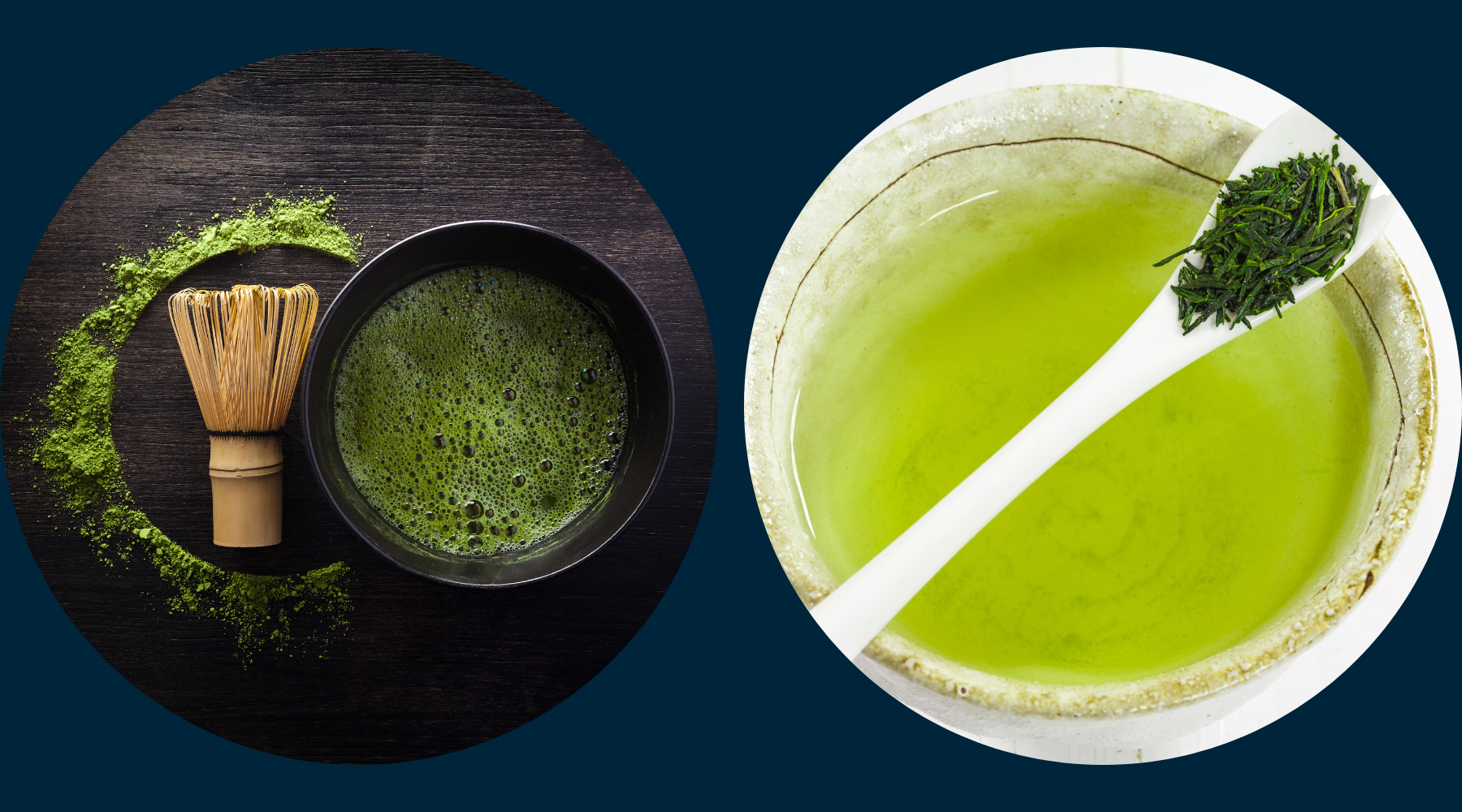
In this comprehensive guide, we explore the differences between matcha and gyokuro, two highly prized Japanese green teas. From their origins, production processes, and flavor profiles to health benefits, brewing...
Matcha vs. Gyokuro: Unveiling the Differences
Introduction
Matcha and gyokuro are both renowned Japanese green teas that come from the camellia sinensis plant. But do you know the key differences between them? In this article, we'll delve into the fascinating world of these two tea varieties, comparing their origins, production, flavor profiles, health benefits, brewing techniques, culinary uses, and more.
So, let's dive in and discover which tea suits your taste buds and lifestyle!
The Origins
Matcha
Matcha, with its vibrant green color, dates back to the 12th century when Zen Buddhists introduced it to Japan from China. Initially used by emperors and the elite, then the Japanese tea ceremony, matcha tea soon became a popular everyday beverage. Today, it's recognized worldwide for its distinctive flavor and health benefits.
Gyokuro
Gyokuro, also known as "jade dew," is a high-quality green tea that originated in Japan in the 1800s. Like matcha, gyokuro is shade-grown, but its leaves are carefully hand-picked and then rolled into fine, needle-like shapes. This unique process gives gyokuro its distinct taste and appearance.
Subscribe to this blog's RSS feed using http://premium-health-japan.myshopify.com/blogs/news.atom
Production Process
Shade-Growing Technique
Both matcha and gyokuro are shade-grown, meaning they are cultivated under cover for about 20-30 days before harvesting. This practice increases chlorophyll content and reduces tannins, giving both teas their characteristic sweetness and umami flavor.
Harvesting and Processing
For matcha, the leaves are steamed, dried, and then ground into a fine powder. Gyokuro, on the other hand, is harvested, steamed, and then rolled into thin, needle-like shapes before drying. This difference in processing affects the teas' flavors and the way they are prepared.
Flavor Profiles
Matcha
Matcha is known for its intense, umami-rich flavor with a hint of sweetness and a creamy texture. It has a vibrant green color and a strong, grassy aroma.
Gyokuro
Gyokuro offers a delicate, sweet taste with a rich umami flavor and a silky mouthfeel. It has a deep green color and a fresh, grassy aroma with a hint of seaweed.
Health Benefits
Matcha
Matcha is packed with antioxidants, particularly catechins, which are known for their cancer-fighting properties. It also contains L-theanine, an amino acid that promotes relaxation and reduces stress. Matcha provides a gentle caffeine boost, making it an excellent alternative to coffee for sustained energy without the anxiety.
Gyokuro
Gyokuro shares many of the same health benefits as matcha, including high levels of antioxidants and L-theanine. However, because gyokuro leaves are harvested at a later stage, it contains a slightly higher caffeine content than matcha, making it a good choice for those seeking a stronger energy boost.
Brewing Techniques
Matcha
Preparing matcha involves whisking the matcha powder with hot water using a bamboo whisk until it becomes frothy. The ideal water temperature for matcha is around 160-175°F (70-80°C).
Gyokuro
Gyokuro is brewed using whole tea leaves and requires a lower water temperature of 140-160°F (60-70°C) to extract its delicate flavors. It's typically steeped for 1-2 minutes, and you can enjoy multiple infusions from the same tea leaves.
Culinary Uses
Matcha
Matcha's versatility makes it perfect for incorporating into various recipes, such as smoothies, lattes, baked goods, and even savory dishes. Its vibrant green color and unique flavor add a touch of sophistication to any dish.
Gyokuro
While not as widely used in cooking as matcha, gyokuro can still be incorporated into recipes that call for green tea. Its subtle flavor profile lends itself well to delicate dishes like desserts, salads, or even as a simple iced tea.
Matcha vs. Gyokuro - Caffeine
When comparing matcha and Gyokuro, it's essential to consider their caffeine content, as this may affect your choice depending on your sensitivity or personal preferences.
Matcha
Matcha contains roughly 30-70 milligrams of caffeine per 8-ounce serving, depending on the grade and preparation method. This amount is slightly higher than that of regular green tea but lower than a cup of coffee, making matcha a popular choice for a more balanced and steady energy boost without the anxiety effects.
Gyokuro
Gyokuro contains around 40-80 milligrams of caffeine per 8-ounce serving, making it slightly higher in caffeine content than matcha. This is due to the later stage of leaf harvesting, which allows the tea plant to develop more caffeine. Gyokuro's higher caffeine content provides a stronger, more sustained energy boost, making it an ideal choice for those looking for an alternative to coffee with added health benefits.
Making the Right Choice
When choosing between matcha and gyokuro based on caffeine content, consider your personal preferences and sensitivity to caffeine. If you're looking for a milder, more balanced energy boost, matcha may be your go-to choice. However, if you prefer a slightly stronger kick of caffeine, gyokuro could be the perfect option.
Keep in mind that both teas offer unique taste experiences and health benefits, so experimenting with both can help you find the perfect balance for your lifestyle.
Price Considerations
Gyokuro is generally more expensive than matcha due to its labor-intensive production process and limited availability. However, both teas are available in different grades and price ranges, so you can find options that fit your budget.
Choosing the Right Tea for You
Consider your taste preferences, health goals, and brewing techniques when deciding between gyokuro and matcha. If you enjoy a robust, umami-rich flavor and the convenience of powdered tea, matcha might be the right choice. If you prefer a more delicate, sweet taste and the experience of brewing whole tea leaves, gyokuro could be your ideal tea.
Conclusion
In the end, both matcha and gyokuro offer unique taste experiences and health benefits. You might even find yourself enjoying both teas for different occasions. So, why not explore the world of Japanese green tea and discover the delightful nuances of matcha and gyokuro?
FAQs
-
What is the main difference between matcha and gyokuro? The main difference lies in their processing: matcha is ground into a fine powder, while gyokuro is rolled into needle-like shapes. This affects their flavor profiles, preparation methods, and culinary uses.
-
Which tea has more caffeine, matcha or gyokuro? Gyokuro typically has slightly higher caffeine content than matcha due to the later harvest of its leaves.
-
Can I substitute matcha for gyokuro in recipes, and vice versa? While it's possible to substitute one for the other, be aware that their distinct flavor profiles and textures may affect the final outcome of the dish. It's best to experiment and adjust the quantity or method as needed to achieve the desired taste.
-
How long does matcha and gyokuro stay fresh? To ensure freshness, both matcha and gyokuro should be stored in an airtight container, away from light, moisture, and strong odors. Generally, matcha is best consumed within 3-6 months of opening, while gyokuro can retain its freshness for up to a year.
-
Are matcha and gyokuro suitable for people with caffeine sensitivity? Both matcha and gyokuro contain caffeine, though in varying amounts. If you're sensitive to caffeine, it's best to consume these teas in moderation, opt for lower-caffeine alternatives, or consult a healthcare professional for advice.
Explore Our Matcha & Accessories
Whether you are preparing a ceremonial bowl or making a daily latte, we offer matcha for every purpose — plus handcrafted tea tools from Takayama and Uji.
Start here
- Shop Matcha (all matcha varieties)
- Shop Accessories (scoops, holders, and essentials)
- Matcha Bowls (Chawan)
- Matcha Whisks (Chasen)
- Matcha Sets (gifts & beginner kits)
Need Help?
If you have any questions about our Uji matcha, tea tools, shipping, or wholesale options, we’re here to help. Send us a message and we’ll reply as soon as we can.
Contact Support