

Organic Uji Matcha for Café from Kyoto, Japan
JAS Certified Organic · Ceremonial Grade · Stone-Milled in Japan

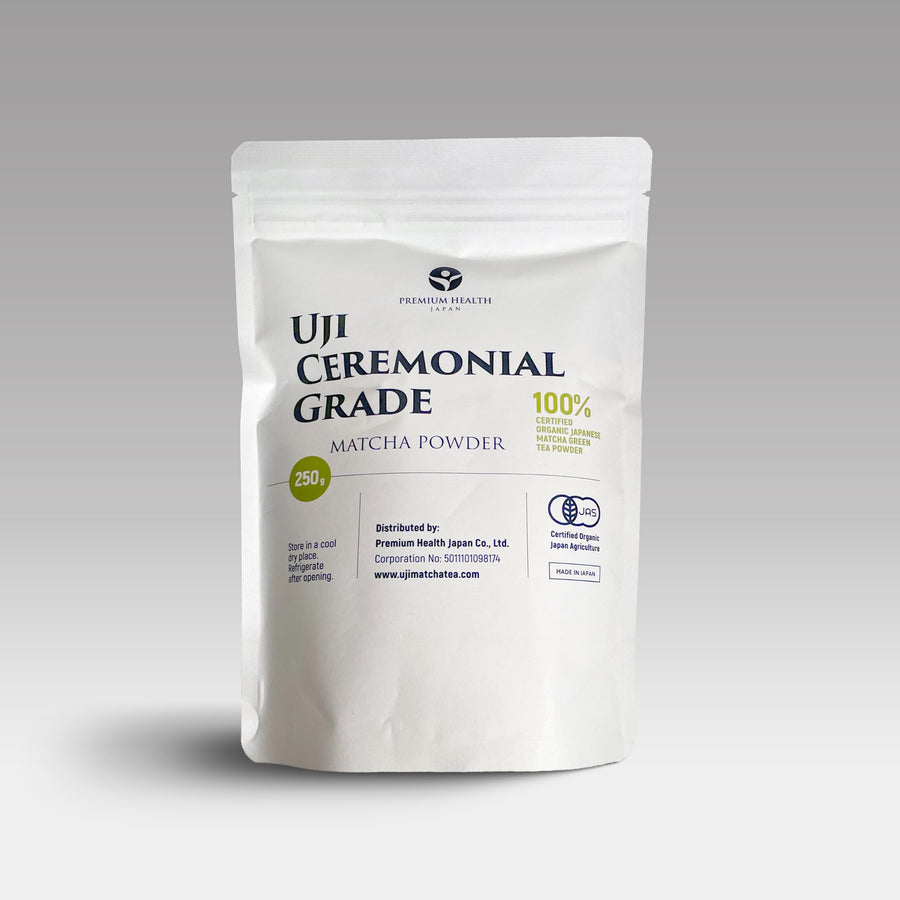
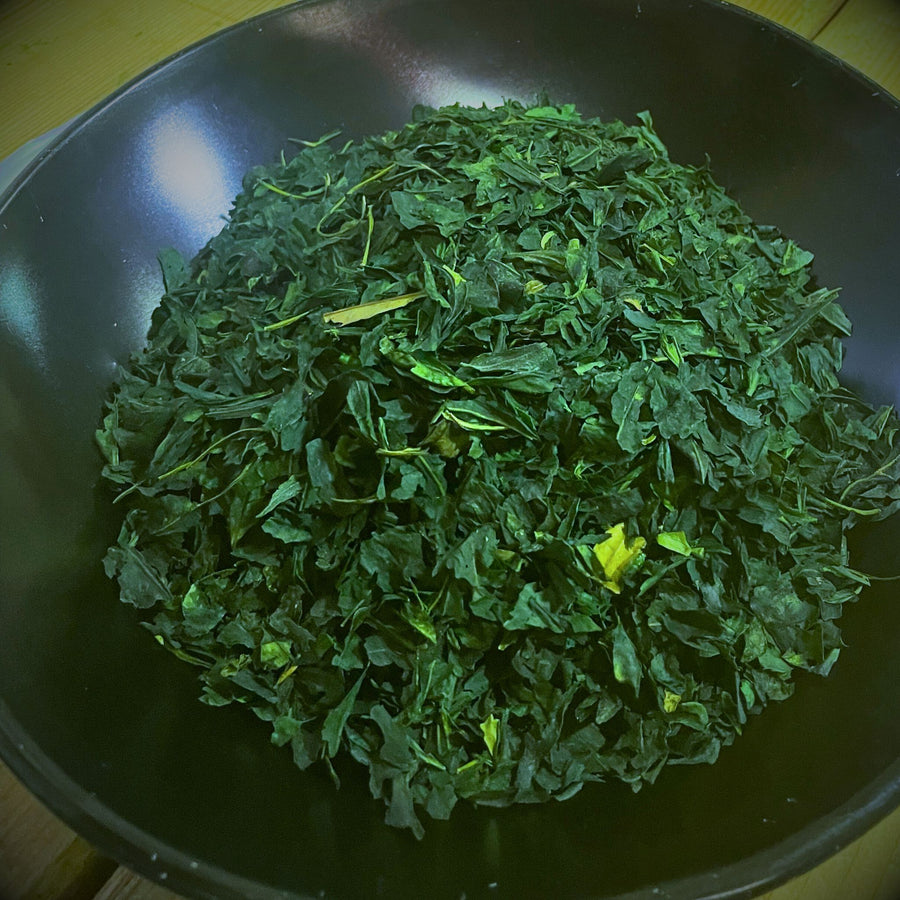
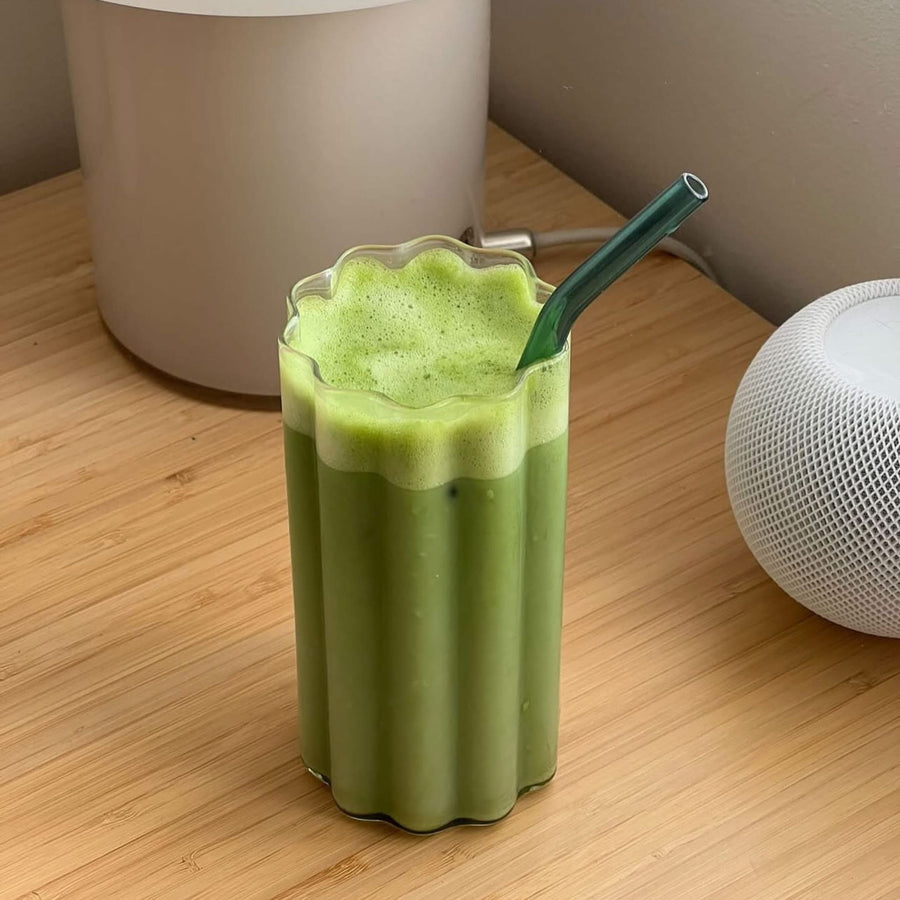

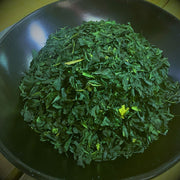
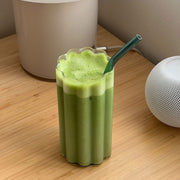

Made from certified organic tea leaves grown in Uji, Kyoto, this ceremonial grade matcha is a Yabukita and Saemidori blend created for cafés, culinary use, and tea lovers who want dependable quality at volume. The shade-grown tencha is stone-milled into a fine, brilliant green powder.
Yabukita gives the blend its classic green-tea body and structure, while Saemidori adds color clarity and a soft, sweet umami. Blended for consistency, it holds its color and flavor cup after cup — exactly what professional preparation demands.
The flavor is smooth, creamy, and refined: rich umami and natural sweetness with just a touch of brief, clean astringency that fades rather than lingers. It whisks beautifully into traditional usucha and performs equally well in matcha lattes and café drinks.
Packed in a resealable 250 g pouch, it is sized for busy kitchens, barista stations, and anyone who reaches for organic ceremonial matcha often.
Color
Brilliant, vibrant green — bright and premium in the bowl.
Texture
Smooth, creamy, and finely milled, whisking into an even foam.
Aroma
Fresh and green, with natural sweetness and a light floral note.
Taste
Rich umami and natural sweetness with a touch of brief, clean astringency that fades quickly into a clean finish.
Ideal For
Usucha, matcha lattes, café menus, and premium daily drinking.
✓ JAS certified organic (Japanese Agricultural Standard)
✓ Yabukita and Saemidori blend
✓ Primarily first spring harvest, with a smaller second-flush component
✓ Shade-grown tencha, stone-milled in Japan
✓ Brilliant green color, smooth and creamy texture
✓ Rich umami with a touch of brief, clean astringency
✓ Blended for consistent color and flavor, cup after cup
✓ Packed fresh in a resealable 250 g pouch
A dependable, organic ceremonial matcha built for café service and everyday enjoyment alike.
An Organic Uji Blend Built for Consistency
This matcha is a considered blend of two respected cultivars. Yabukita provides the classic green-tea backbone and structure, while Saemidori contributes brilliant color clarity and a soft, gentle sweetness.
Blended by an experienced Uji tea house, the goal is consistency: a stable brilliant green color, balanced umami, and a reliable flavor that holds up cup after cup. Where a single-cultivar matcha showcases one variety's character, this blend is built to perform dependably — ideal for cafés and for anyone who drinks matcha daily.
Certified Organic, Grown in Uji, Kyoto
Uji is the historic heart of Japanese matcha, known for shaded tea cultivation and stone milling. This matcha is JAS certified organic — grown without synthetic pesticides or fertilizers, and certified for both cultivation and processing in Japan.
Before harvest, the tea plants are shade-grown to raise chlorophyll and amino acid levels, giving the powder its brilliant green color and smooth, rounded taste. Keeping cultivation and blending within Uji supports careful quality control and a clean, traceable production flow.
Primarily First Spring Harvest
This blend is made primarily from the first spring harvest (ichibancha), when shade-grown leaves are richest in amino acids such as L-theanine. A smaller second-flush component is carefully selected by the same competition judges who guide the blend, keeping quality consistent and the matcha available year-round as global demand grows.
It is crafted by an award-winning Uji tea house, recognized across multiple categories at the Japanese Tea Awards. The leaves are processed into tencha and stone-milled slowly to preserve aroma, color, and a smooth, refined texture.


Made for Café Service and Daily Use
For a traditional bowl, whisk 1.5–2 grams with hot water (not boiling, around 75–80°C) until smooth and lightly frothy. For a latte, whisk the same amount into a little hot water first, then add steamed milk or oat milk.
Its consistent color and balanced flavor make it well suited to high-volume café and barista use, while the 250 g pouch reduces waste and keeps busy stations stocked.
Certified Organic — JAS
This matcha is certified organic under Japan's JAS (Japan Agricultural Standards) program, which covers both cultivation and processing.
JAS organic is officially recognized as equivalent to the organic standards of the EU, USA, Canada, Australia, Switzerland, and New Zealand, among others — so it qualifies as organic under those national systems too.


Packaging and Freshness
Each 250 g resealable pouch is sealed to protect color, aroma, and freshness. Because matcha is sensitive to air, light, and humidity, press out excess air after each use, keep the pouch tightly sealed in a cool, dark place, and refrigerate after opening. For high-volume use, decant smaller amounts and reseal the rest to keep it fresh.
Explore the full matcha rangeFrequently Asked Questions
Common questions about this organic Uji matcha
How do I prepare this matcha?
For a traditional bowl (usucha), sift 1–2 grams of matcha into a warm chawan, add about 60–70 ml of hot water (not boiling — around 75–80°C / 165–175°F), and whisk briskly with a chasen in a "W" or "M" motion until a fine layer of foam forms on the surface.
Avoid boiling water. Heat above 85°C extracts excess tannins and dulls the flavor. For best results, let kettle water rest for 60–90 seconds after boiling before pouring.
What's the difference between ceremonial and culinary grade?
Ceremonial grade matcha is made from young, tender shade-grown leaves, stone-milled slowly to preserve aroma and texture. It is smooth enough to drink on its own, whisked with water.
Culinary grade matcha typically uses later harvests and a more robust, slightly bitter profile designed to stand up to milk, sugar, and baking.
This organic Uji matcha is ceremonial grade. It is refined enough to enjoy as usucha, yet consistent and balanced enough to perform reliably in café lattes and everyday matcha drinks.
How long does this matcha last after opening?
For best flavor and color, use within 1–2 months after opening, kept refrigerated in the sealed pouch.
Matcha is light- and oxygen-sensitive. Once opened, oxidation begins immediately and slowly dulls both the bright green color and the fresh aroma. Pressing out excess air and refrigerating slows this significantly.
In a busy café, the 250 g pouch is usually used well within this window. Before opening, an unopened pouch stays fresh for around 12 months from the harvest date when stored cool and dark; each batch carries a best-before date.
Can I use this matcha in lattes?
Yes — this matcha is a strong choice for lattes. Its rich umami, natural sweetness, and brilliant green color carry through milk, including oat milk, while its brief, clean astringency keeps the flavor lively rather than flat.
For a latte, whisk 1.5–2 grams with a small amount of hot water into a smooth paste first, then add steamed milk on top. This prevents clumping and preserves the bright color — and it scales well for café service.
What cultivars are in this blend, and why a blend?
This matcha blends two cultivars: Yabukita, prized for its classic green-tea body and clean finish, and Saemidori, valued for brilliant color clarity and gentle sweetness.
A blend is a deliberate choice here. Single-cultivar matcha showcases one variety's character, but blending lets the tea master balance color, umami, and sweetness — and, crucially, hold that profile consistent from batch to batch. That reliability is exactly what cafés and daily drinkers want.
Is this matcha suitable for cafés and professional use?
Yes. It is designed for it. The blend is built for consistency — stable brilliant green color and balanced flavor cup after cup — so drinks look and taste the same across a busy service.
The smooth, creamy body works well in both usucha and lattes, and the 250 g resealable pouch suits high-volume kitchens and barista stations while reducing waste. It is equally at home for tea lovers who simply drink matcha often.
Is matcha caffeinated?
Yes. Matcha contains caffeine — roughly 30–70 mg per gram of powder, depending on the cultivar and harvest. A standard bowl made with 1–2 grams therefore contains somewhere between 30 mg and 140 mg of caffeine.
For comparison, a typical cup of brewed coffee contains around 80–100 mg, and a cup of green tea around 25–30 mg.
Matcha's caffeine is generally experienced differently from coffee's, because matcha also contains L-theanine, an amino acid that promotes a calmer, more sustained kind of alertness. Many people who find coffee jittery find matcha smoother — though sensitivities vary, and we always recommend listening to your own response.


