


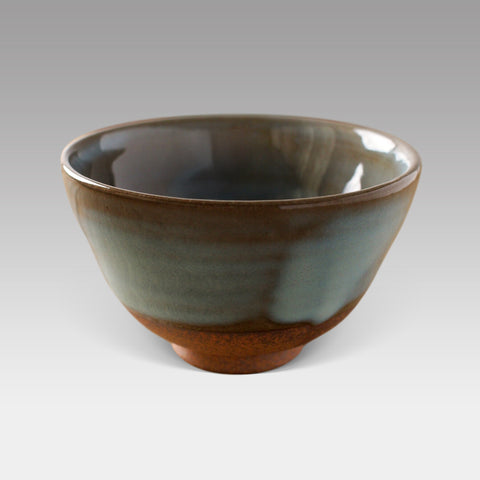
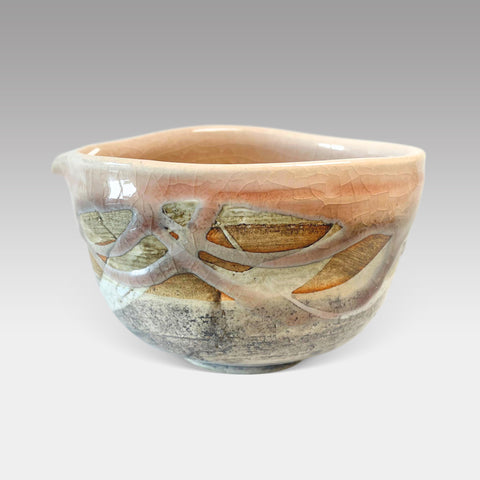
Our Japanese matcha bowls (chawan) are selected for both traditional tea ceremony use and everyday matcha preparation. Handcrafted in Japan from glazed pottery and glass, each bowl is chosen for balance, whisking comfort, and aesthetic character.



Choosing a Japanese Matcha Bowl (Chawan)
A matcha bowl, also known as a chawan tea bowl, is an essential tool for preparing and enjoying matcha tea. Traditionally used in Japanese tea ceremonies (chanoyu), the shape, clay, glaze, and proportions of a matcha bowl directly influence whisking, temperature control, and the overall sensory experience of matcha.
Our collection brings together carefully selected Japanese matcha bowls crafted for both traditional tea ceremony practice and modern matcha preparation at home. Each bowl is chosen for functionality, balance, and beauty — not just appearance.

High-quality matcha bowls feature a smooth, non-porous interior that allows matcha powder to blend evenly with hot water while preventing whisk damage.

The bowl chosen for a tea ceremony reflects not only temperature but also mood, setting, and the character of the gathering.

Types of Matcha Bowls (Chawan)
Below are the most common types of matcha bowls used in Japanese tea practice. Each style influences whisking, temperature retention, and visual presentation.
Wan-nari (Standard Matcha Bowl)
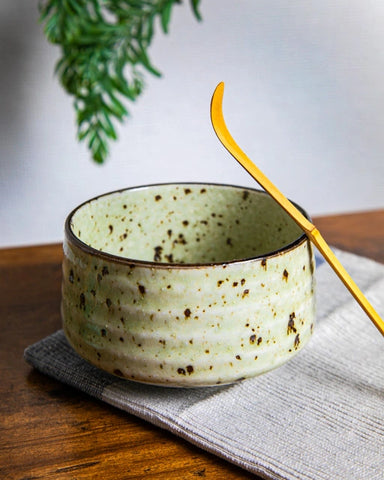
A gently curved, beginner-friendly matcha bowl that naturally gathers matcha at the center, making whisking smooth and controlled. Ideal for everyday matcha preparation.
Hira-gata (Wide & Shallow)
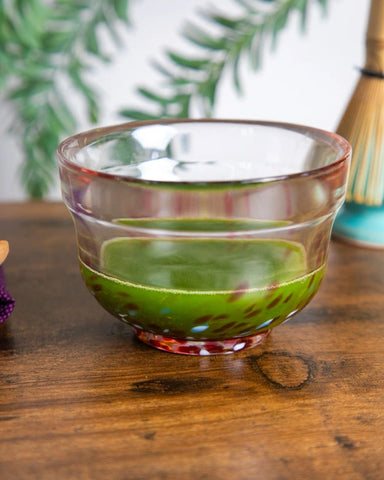
A wide, shallow matcha chawan designed for summer use. The broad surface allows matcha to cool quickly while offering ample whisking space.
Tsutsu-gata / Hantsutsu-gata (Cylindrical)
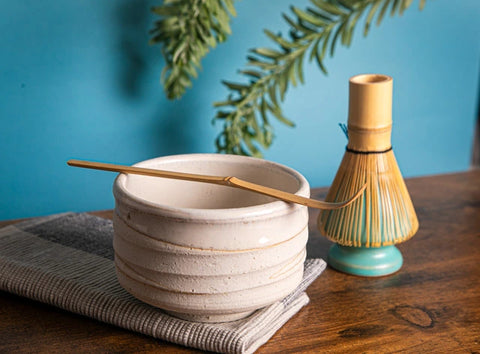
Taller, straight-sided bowls that retain heat well. These bowls provide a good surface for froth and are commonly used in colder months.
Tenmoku-gata
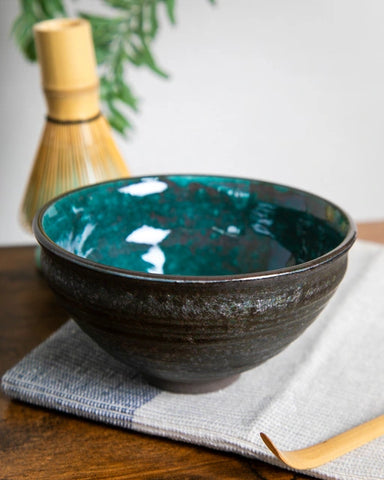
Deep, conical bowls with narrow bases and traditional dark or metallic glazes. Tenmoku bowls offer a formal aesthetic and are often associated with more structured tea ceremony settings.
Raku Chawan
Hand-shaped bowls with thick walls and organic forms. Raku ware embodies wabi-sabi aesthetics and provides exceptional heat retention, making it well suited for winter use.
These are only a few of the many chawan styles used in Japanese tea culture. Countless variations exist, shaped by season, region, and the hands of individual potters.

Materials, Clay & Glaze
Most high-quality matcha bowls are crafted from ceramic or stoneware and fired at high temperatures for durability and thermal stability.
- Stoneware: thick, earthy, excellent heat retention (ideal for winter)
- Porcelain: lighter, highlights the vibrant green color of matcha (ideal for summer)
- Glaze finishes: influence grip, texture, and visual character
The clay composition, firing method, and glaze all determine how a bowl performs during whisking and drinking.

How to Choose the Right Matcha Bowl
When selecting a matcha bowl for home or tea ceremony use, consider:
- Diameter: ideally 4–5 inches (10–13 cm) for whisking
- Interior shape: a rounded base prevents whisk snagging
- Weight & thickness: affects temperature retention
- Seasonal suitability: lighter bowls for summer, heavier bowls for winter
- Aesthetic appeal: color, glaze, and form enhance enjoyment
Many modern matcha bowls are also dishwasher safe, making them practical for daily use.

Complete Your Matcha Set
A matcha bowl works best when paired with the proper tools. For optimal preparation, combine your chawan with a bamboo whisk (chasen) and high-quality matcha powder.
Together, these essential tools facilitate smooth preparation, balanced flavor, and mindful enjoyment
Sale

JAS Organic Uji Matcha – Single-Cultivar Okumidori (30g)
$52
$38
Sale

Organic Uji Matcha — Ceremonial Grade Classic Blend (50g)
$31
$20
Sale

Matcha Whisk Set – Bamboo Chasen, Chashaku & Holder
$46
$38
Sale
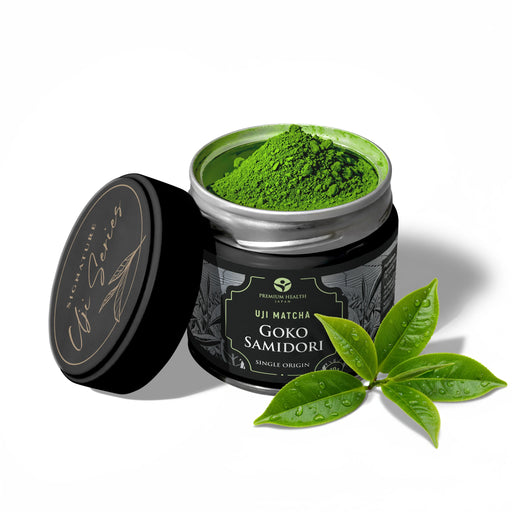
Uji Matcha Gokō (Goko) × Samidori – Hand-Picked Ceremonial Blend (30g)
$50
$37
Sale
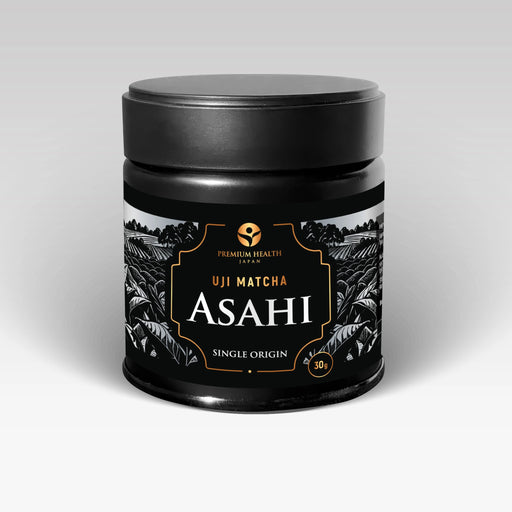
Uji Matcha Asahi – Hand-Picked Single-Cultivar Ceremonial (30g)
$73
$55
Sale

100-Prong Bamboo Matcha Whisk – Handcrafted & Japan Quality Checked
$26
$20
Sale

Organic Japanese Matcha — Ceremonial Grade, First Spring (50g)
$31
$15
Sale
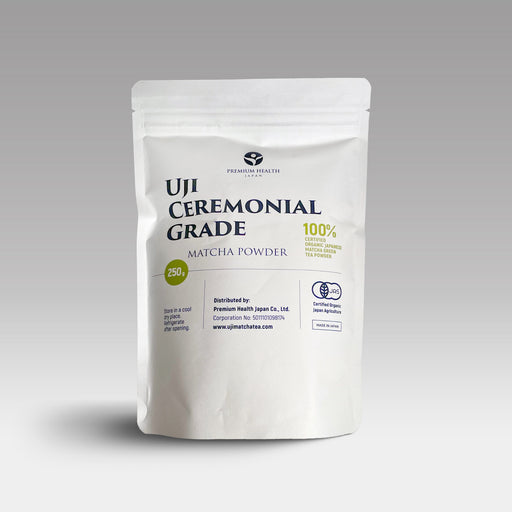
Organic Uji Matcha for Café – Ceremonial Blend (250g)
$141
$100
Sale

Ceremonial Grade Uji Matcha — First Spring Harvest (100g)
$81
$59
Sale

Organic Uji Matcha – Kyoto Cultivar Blend (40g)
$43
$14
Sale

JAS Organic Uji Matcha – Single-Cultivar Saemidori (30g)
$46
$23
Sale

Uji Matcha Gokō (Goko) – Pesticide-Free Single-Cultivar (30g)
$50
$28
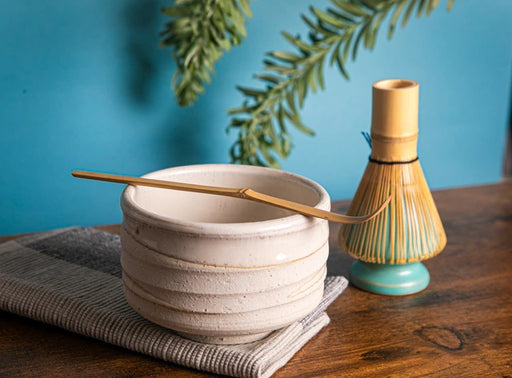
Soothing Retreat Matcha Bowl — Japanese Ceramic Chawan
$33

Matcha Whisk Holder – Chasen Stand from Suikaen Takayama
$28

Bamboo Tea Scoop Made by Suikaen Takayama
$36

Origami Matcha Bowl with Spout — Matte Black Japanese Katakuchi Chawan
$59
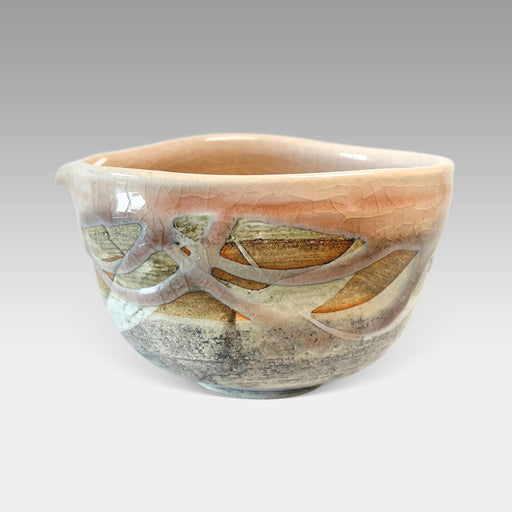
Pink Nagashi Matcha Bowl with Spout — Japanese Katakuchi Chawan
$47
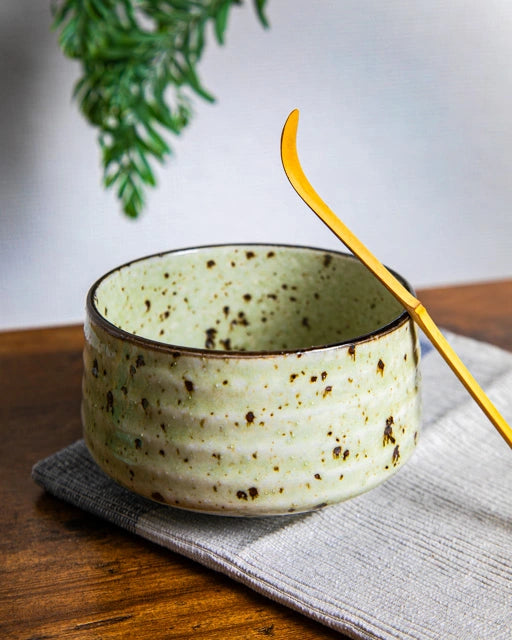
Edo Elegance Matcha Bowl — Japanese Ceramic Chawan
$30
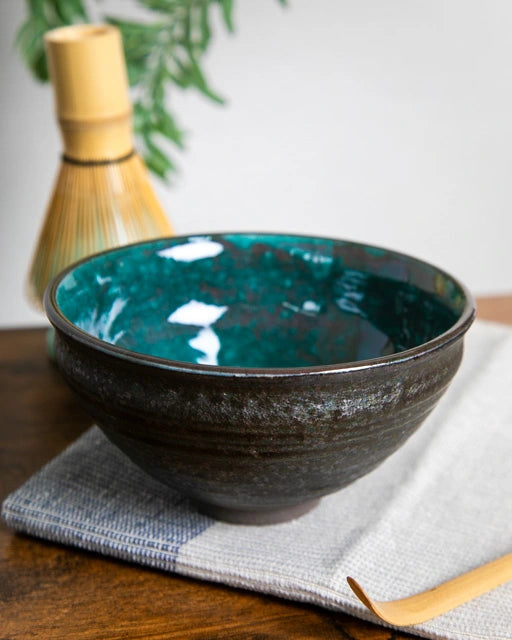
Teal Glaze Matcha Bowl — Tenmoku-Style Japanese Chawan
$25
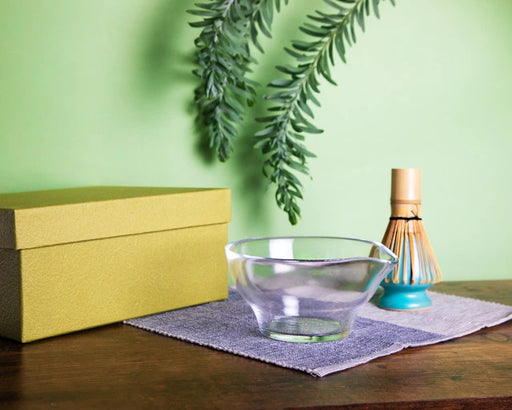
Glass Matcha Bowl Set with Pouring Spout - Handmade in Japan
$77
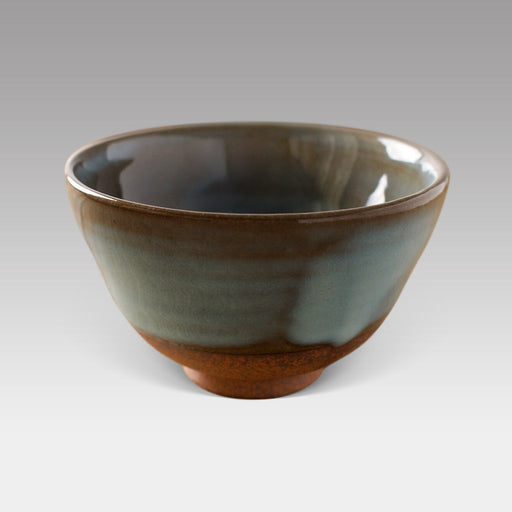
Mashiko Essence Matcha Bowl — Japanese Ceramic Chawan
$36

Ninsei Inspired Shōchikubai Matcha Bowl — Japanese Ceramic Chawan
$50

Okinawa Brown Sugar Syrup (Kokuto Mitsu) – Authentic Japanese Black Sugar Syrup
$23

Cherry Blossom Matcha Bowl — Japanese Sakura Chawan (Made in Japan)
$35
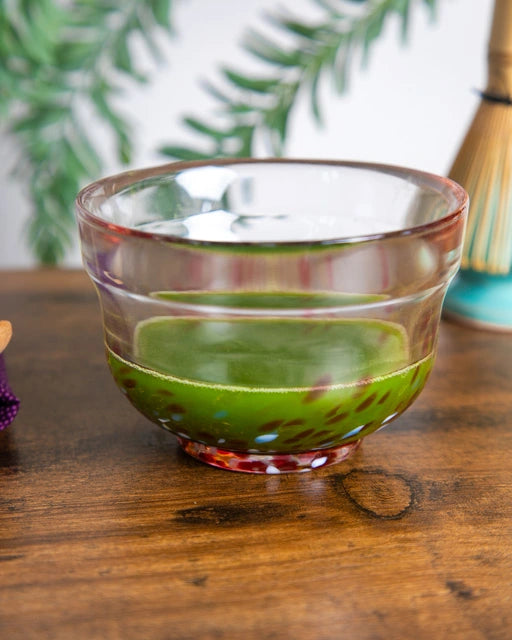
Plum Blossom Glass Matcha Bowl — Japanese Hira-gata Chawan
$36