

Matcha Guides & Education

Matcha Benefits: A Balanced, Evidence-Based Guide
Matcha is a powdered green tea made from whole, shade-grown leaves. This guide explores its potential benefits, caffeine content, risks, and how it compares to regular green tea—based on current...
Quick overview: what this article will answer
Matcha is a type of powdered green tea made from whole, shade-grown tea leaves. Regular green tea is steeped and strained, but matcha is consumed as a fine powder, meaning the entire tea leaf is ingested. This article reviews current research on potential health benefits—and important cautions—so you can make informed decisions.
Here’s what we’ll cover:
-
How matcha differs from regular green tea in cultivation, preparation, and nutrient content
-
Key bioactive compounds including catechins (especially EGCG), caffeine, and L-theanine
-
What studies suggest about brain function, heart health, metabolism, and other areas
-
Caffeine considerations and who may need to limit intake
-
Practical guidance for enjoying matcha as part of a healthy lifestyle
Evidence on matcha is still developing. This article is for general education and not a substitute for medical advice.
What is matcha?

Matcha is produced by finely grinding tea leaves from shade-grown Camellia sinensis, the plant species from which all traditional teas are derived. It has been produced in Japan for centuries, with notable growing regions including Uji (Kyoto), Nishio, Kagoshima, and Shizuoka. Today, matcha is also cultivated in parts of China.
The production process sets matcha apart from other teas. About three to four weeks before harvest, tea bushes are covered with shade structures that reduce direct sunlight. This shading step increases chlorophyll content (giving matcha its vibrant green color) and concentrates certain compounds, such as the amino acid L-theanine.
After harvest, the leaves are quickly steamed to halt oxidation, then dried. Stems and veins are removed, leaving only the tender leaf material called tencha. This tencha is slowly stone-ground into an extremely fine powder—the matcha you find in stores, as explained in detail in our guide on how matcha is made.
The flavor profile tends to be naturally sweet with umami notes and a slightly grassy character. Higher-quality ceremonial matcha typically has more sweetness and less bitterness than culinary grades.
Unlike brewing regular green tea, where you steep leaves in hot water and then discard them, drinking matcha means consuming the whole ground leaf suspended in liquid. You can whisk it into hot water for traditional tea, blend it into iced drinks, add it to a matcha latte, or incorporate matcha into smoothies and some recipes.
How matcha differs from regular green tea

The distinction between matcha and regular green tea comes down to how the plants are grown, how the tea is prepared, and what you actually consume.
Cultivation differences:
-
Matcha comes from shade-grown tea plants, while most standard green teas are sun-grown
-
Shading tends to increase chlorophyll, certain amino acids (notably L-theanine), and affects the overall compound profile
-
Only young, tender leaves are selected for matcha production
Preparation differences:
-
With steeped green tea, you pour hot water over green tea leaves, wait, then remove and discard the leaves
-
With matcha green tea powder, you whisk the fine powder directly into water or milk and consume everything
-
This whole-leaf consumption means you ingest compounds that would otherwise remain in discarded leaves
Nutrient concentration: One study found that when matcha is dissolved in water, it can provide about three times more catechins than other types of green tea. You’re also getting more caffeine and L-theanine per serving compared with an equal volume of conventional green tea infusion.
That said, exact levels vary considerably depending on:
-
Brand and origin
-
Grade (ceremonial vs culinary)
-
Amount of powder used (typically 1–2 grams per cup)
-
Water temperature and preparation method
While these compositional differences may influence health effects, current human research specifically on matcha (rather than green tea in general) remains limited. Not all studies show large advantages over regular green tea consumption.
Learn more about sencha tea — another traditional Japanese green tea — in our detailed guide.
Does matcha have caffeine?
Yes, matcha naturally contains caffeine because it comes from the tea plant. Per serving, caffeine levels are typically higher than in standard green tea but lower than in strong-brewed coffee.
Here’s a general comparison:
|
Beverage |
Typical Caffeine Content |
|---|---|
|
Matcha (1g powder) |
~25–35 mg |
|
Matcha (2g powder) |
~50–70 mg |
|
Brewed green tea (8 oz) |
~25–50 mg |
|
Brewed coffee (8 oz) |
~80–120 mg |
Because you’re consuming the entire tea leaf in powdered form, your caffeine dose depends directly on how much matcha powder you use rather than steeping time alone.
Caffeine intake sensitivity varies widely. Some people tolerate multiple cups daily without issue, while others experience jitteriness, rapid heart rate, or sleep disruption with smaller amounts. If you’re sensitive, consider:
-
Limiting matcha in the late afternoon or evening
-
Tracking your total daily caffeine from all sources (coffee, tea, energy drinks, chocolate)
-
Starting with smaller servings to gauge your response
Matcha’s unique combination: caffeine plus L-theanine

One reason matcha is often described as providing “calm alertness” relates to its L-theanine content. L-theanine is an amino acid found almost exclusively in tea leaves, with especially high concentrations in shade-grown teas like matcha.
Research suggests that L-theanine can cross the blood brain barrier and may influence neurotransmitter activity. In experimental studies, it has been associated with increased alpha brain wave activity—patterns typically linked with relaxed, focused mental states.
Several small human trials have examined caffeine and L-theanine combinations, finding modest improvements in attention and reduced perceived mental fatigue compared with caffeine alone, a relationship explored further in our article on matcha and brain health. The idea is that L-theanine may take the edge off caffeine’s stimulating effects, promoting focus without as much jitteriness.
However, these effects are modest rather than dramatic. Matcha is unlikely to replace prescribed treatments for attention or anxiety disorders, and individual responses vary. Think of it as potentially supportive for day-to-day alertness rather than a therapeutic intervention.
Key nutrients and bioactive compounds in matcha

Matcha contains a mix of water-soluble and insoluble components because you’re consuming the entire powdered leaf. The main categories include:
-
Catechins: Antioxidant polyphenols, including EGCG (epigallocatechin gallate), EGC, ECG, and EC
-
Caffeine: Central nervous system stimulant
-
L-theanine: An Amino acid with potential calming effects
-
Other polyphenols and phenolic acids: Including rutin, chlorogenic acid, gallic acid
-
Vitamins: Small amounts of vitamin C, some B vitamins, and vitamin K
-
Minerals: Traces of potassium, magnesium, and others
-
Chlorophyll: High levels due to shading, contributing to color
-
Fiber and other insoluble components: Present because you consume the whole leaf
Lab tests measuring antioxidant capacity (like ORAC values) show high antioxidant properties in matcha. However, these in vitro measurements don’t directly translate to specific health outcomes in humans. What happens in a test tube is different from what happens in your body.
One practical note: nutrient content can decline with high-temperature exposure. Using boiling water or baking matcha into desserts may degrade heat-sensitive compounds. Gently prepared tea at around 70–80°C typically preserves more of these substances.
EGCG and other catechins
EGCG has been the most extensively studied green tea catechin. In cell and animal models, researchers have examined its potential roles in:
-
Neutralizing harmful free radicals and reducing oxidative stress
-
Modulating inflammatory signaling pathways
-
Influencing lipid and glucose metabolism
Some observational and interventional human studies associate higher green tea or catechin intake with modest improvements in certain cardiometabolic markers. However, study quality varies, and many use standardized extracts rather than whole matcha green tea powder.
Important caution: Concentrated green tea extracts used in some supplements have occasionally been linked to liver injury. Moderate intake of brewed tea or culinary matcha appears safer in existing data.
At typical dietary intakes, catechins are best viewed as supportive components of an overall balanced diet—not stand-alone treatments. More large, long-term human trials specifically using matcha (rather than green tea extracts) are needed to clarify its distinct effects.
Potential health benefits of matcha (what research suggests)

Before diving into specific areas, it’s important to set expectations clearly:
-
Most matcha-related data come from broader green tea research, small human trials, and animal or cell studies
-
Associations in observational studies do not prove causation
-
Matcha should be viewed as one part of a healthy lifestyle, not a primary therapy
-
Individual responses vary significantly
The following sections summarize what current research suggests. Where evidence is limited or preliminary, we’ll say so directly.
Brain function, focus, and mood
Several small randomized trials have investigated green tea extracts, matcha, or caffeine-L-theanine combinations for effects on attention, working memory, and reaction time. Many show modest improvements compared with a placebo tea or control group consumed during short-term cognitive tasks.
One notable 12-month study examined 99 adults aged 60–85 with mild cognitive impairment or subjective cognitive decline. Participants who took 2 grams of matcha daily (in capsule form) showed improvements in social cognition—specifically, facial expression recognition—compared with placebo. Sleep quality scores also improved in the matcha group.
However, traditional neuropsychological tests didn’t show large between-group differences in global cognitive function. This study provides promising but preliminary evidence; it involved a specific population and requires replication.
For L-theanine specifically, some small trials report reduced perceived stress and increased relaxation at doses obtainable from strong tea. But no high-quality trials show that matcha can prevent or treat conditions like depression, ADHD, or dementia.
Practical takeaway: Matcha may support day-to-day mental clarity and enhanced cognitive performance in some people. Those sensitive to caffeine-related anxiety should introduce it gradually and monitor their response.
Heart and cardiometabolic markers
Large observational studies, particularly in East Asian populations, have associated regular green tea consumption with slightly lower risk of cardiovascular disease events like heart attack and stroke over multiple years. These studies don’t specifically isolate matcha but suggest potential benefits from the catechin-rich beverage category.
Some intervention studies using matcha or green tea powder daily have examined effects on:
|
Marker |
Observed Effects |
|---|---|
|
Blood pressure |
Small reductions in some studies |
|
LDL cholesterol |
Modest decreases reported |
|
Triglycerides |
Some favorable shifts |
|
HDL cholesterol |
Mixed or minimal effects |
These changes tend to be small and most pronounced when combined with a healthy diet and exercise rather than matcha alone.
Animal studies report benefits such as reduced weight gain and improved lipid profiles in mice fed high-fat diets supplemented with matcha. While interesting, animal findings cannot be directly extrapolated to humans.
What this means for you: Matcha may complement heart-healthy habits but doesn’t replace medical care for conditions like high blood pressure, diabetes, or high cholesterol levels. If you take medications for cardio metabolic health issues, discuss regular matcha or caffeine consumption with your healthcare provider.
Weight management and metabolism
Meta-analyses of green tea catechins with caffeine suggest modest effects on energy levels and fat oxidation. This topic is examined in more depth in our article on matcha and healthy weight management. Some clinical trials report small reductions in body weight, BMI, or waist circumference with daily consumption of green tea powder—but the effects are generally modest and inconsistent across studies.
What the research does NOT support:
-
Claims that matcha causes substantial or targeted “belly fat burning”
-
The idea that drinking matcha alone leads to significant weight loss
-
Using high-dose catechin supplements as a primary weight loss strategy
What may be helpful:
-
Replacing higher-calorie sugary beverages with unsweetened matcha tea
-
Combining moderate matcha intake with calorie control and physical activity
-
Viewing matcha as one small supportive element within a broader healthy lifestyle
Avoid extreme intakes or reliance on concentrated green tea supplements for weight management. Some reports have linked high-dose extracts with liver and cardiovascular concerns.
Other emerging areas: cancer biology, liver health, and more
Cancer research: In vitro studies using cell cultures have found that EGCG and matcha extracts can influence cancer cells, affecting growth and signaling pathways. However, these experiments use concentrated conditions not comparable to drinking tea.
Some observational human studies associate higher green tea intake with a lower incidence of certain cancers, but findings are inconsistent. Many lifestyle factors complicate interpretation. There is currently insufficient evidence to recommend matcha for cancer prevention or treatment.
Liver health: A 2015 review analyzing 15 studies reported that regular green tea intake was linked to a lower risk of liver disease. Some research suggests catechins may benefit people with nonalcoholic fatty liver disease.
However, experts have noted that while matcha may improve liver enzymes in NAFLD, it may increase liver enzymes in people without liver conditions. More concerning: high-dose green tea extracts have been implicated in rare cases of liver injury.
The distinction between moderate beverage consumption and concentrated supplements matters considerably here.
Gut health: Some research suggests green tea polyphenols may influence gut microbiome composition, potentially increasing beneficial bacteria. The immune system and overall health may benefit from a healthy gut environment. However, matcha-specific human trials are limited, and this remains an emerging area.
Bottom line: More research is needed in all these areas. Moderation and dietary variety remain more important than focusing intensely on any single beverage.
Possible downsides, risks, and who may need to limit matcha

“Natural” doesn’t automatically mean risk-free. The concentrated nature of matcha—where you consume the entire tea leaf—warrants attention to dose and individual health status.
Key concerns to consider:
-
Caffeine-related effects
-
Sleep disturbance
-
Digestive sensitivity
-
Potential interactions with medications
-
Possible contaminants (pesticides, heavy metals)
Let’s address each directly.
Caffeine sensitivity and sleep
Common caffeine-related symptoms include:
-
Jitteriness or restlessness
-
Rapid heart rate or palpitations
-
Increased anxiety
-
Digestive upset
-
Difficulty falling or staying asleep
A typical 2-gram matcha serving may be tolerable for most adults, but stacking multiple cups—plus coffee, energy drinks, or other caffeinated products—can push total caffeine intake quite high.
Recommendations:
-
Limit matcha within 6–8 hours of bedtime if you notice sleep disruption
-
People with arrhythmias, uncontrolled high blood pressure, or panic disorders should consult a clinician before making matcha a daily habit
-
Start with smaller amounts (about ½ teaspoon powder) and assess how your body responds
-
Track all caffeine sources, not just matcha
Stomach, iron absorption, and other considerations
Tannins and caffeine in tea can cause stomach discomfort, nausea, or reflux in some people—particularly on an empty stomach or at higher doses. If you notice digestive issues, try drinking matcha with food or reducing your intake.
Iron absorption: Tea polyphenols can reduce inflammation but also reduce absorption of non-heme iron (the type found in plant foods and supplements) when consumed together. This is relevant for:
-
People with iron-deficiency anemia
-
Those following plant-based diets
-
Anyone working to maintain adequate iron stores
Practical solution: Consider drinking matcha between meals rather than with iron-rich foods. Consult a clinician or dietitian if you have concerns about iron status.
Allergies: Rare allergic reactions to tea components are possible. Symptoms like rash, swelling, or breathing difficulty require urgent medical attention.
Medication interactions: Caffeine can interact with certain medications, and catechins may influence drug-metabolizing enzymes. If you take medications—especially those affecting blood pressure, blood thinning, or liver function—check with your pharmacist or physician before adding regular matcha intake.
Quality, contaminants, and safe amounts
Tea plants can absorb contaminants like pesticides, lead, and other heavy metals from soil and air. Because consuming matcha means ingesting the whole leaf, contaminant levels matter more than with steeped tea, where many remain in discarded leaves. Using a reliable matcha buying guide can help you evaluate safety, testing, and production transparency.
What to look for when buying:
-
Products from producers who provide testing information
-
Compliance with recognized safety standards
-
Transparency about sourcing and production practices
-
Avoiding suspiciously cheap products with no quality documentation
How much is reasonable? There’s no universally agreed “safe upper limit,” but many experts consider about 1–2 standard servings (roughly 2–4 grams powder) per day reasonable for most healthy adults—assuming total caffeine intake remains moderate.
Groups requiring stricter limits:
-
Pregnant or breastfeeding individuals (often advised to limit caffeine to ~200mg daily total)
-
People with liver or kidney disease
-
Children
-
Anyone advised by their healthcare provider to restrict caffeine or tea consumption
Also distinguish between:
-
Simple, unsweetened matcha tea (aligns well with health goals)
-
Sweet matcha lattes, desserts, and commercial products with added sugars and calories
Either matcha tea preparation can fit into a diet, but heavily sweetened versions may undermine potential health benefits.
How to enjoy matcha in a health-conscious way
Matcha can be part of a balanced diet focused on whole foods, adequate hydration, and minimal added sugars. Here’s how to approach it practically:
Basic preparation:
-
Use 1–2 grams (about ½ to 1 teaspoon) of high quality matcha powder
-
Add hot water at about 70–80°C (not boiling) to preserve flavor and heat-sensitive compounds
-
Whisk with a bamboo whisk until frothy and well-combined
-
Adjust strength to taste
Other ways to enjoy:
-
Iced matcha: Whisk powder with a small amount of hot water to dissolve, then add cold water and ice
-
Smoothies: Blend matcha with yogurt, fruit, and other foods
-
Combine matcha with milk for lattes (watch added sweeteners)
Starting out:
-
Begin with smaller daily amounts
-
Observe how concentration, mood, digestion, and sleep are affected
-
Increase gradually if tolerated
Storage tips: Keep matcha in an airtight container in a cool place, and refrigerate after opening. Light, heat, and air degrade color, flavor, and antioxidant content. Use within several weeks to a few months for the best quality.
Matcha compared with coffee and regular green tea
How does matcha stack up against other popular caffeinated beverages?
|
Factor |
Matcha |
Coffee |
Regular Green Tea |
|---|---|---|---|
|
Caffeine per serving |
Moderate (~50–70mg) |
Higher (~80–120mg+) |
Lower (~25–50mg) |
|
Catechins/EGCG |
High |
Minimal |
Moderate |
|
L-theanine |
Present |
Absent |
Present but lower |
|
Whole leaf consumed |
Yes |
N/A |
No |
|
Common preparation |
Whisked or blended |
Brewed and filtered |
Steeped, leaves removed |
Some people prefer matcha for its more gradual perceived energy and its L-theanine content. Others find coffee more effective for alertness and enjoy its flavor profile. Both can fit into a healthy lifestyle when used moderately.
No current evidence suggests matcha is “required” for good health or universally superior to other unsweetened hot beverages. Your choice can reasonably depend on:
-
Taste preferences
-
Caffeine tolerance
-
Preparation convenience
-
Cultural or personal enjoyment
If you don’t enjoy matcha, don’t feel pressured to drink it. Similar dietary patterns rich in fruits, vegetables, whole grains, and other teas or coffees can also support public health goals and individual wellbeing.
Preparing matcha, adding matcha to recipes, or simply enjoying matcha as part of your routine can be a pleasant experience. But it’s best viewed as a potentially beneficial option—especially for those who like its taste—within an overall healthy pattern, not as a single solution for complex health issues.
The possible health benefits of matcha are grounded in its concentration of catechins, L-theanine, and other compounds from the entire tea leaf. Research on brain function, heart disease risk factors, and metabolism shows promise, but much of the evidence comes from green tea studies broadly rather than matcha specifically. More research is needed, and individual responses differ.
Moderate matcha intake appears safe for most healthy adults, but caffeine sensitivity, skin elasticity concerns, cholesterol levels, and other health factors should guide your personal choices. Those with specific medical conditions—or those taking medications—should discuss regular consumption with a healthcare provider.
The best approach? Treat matcha as one enjoyable element of a balanced diet and healthy lifestyle, not a miracle ingredient. Start with smaller amounts, observe how you feel, and make adjustments based on your own experience. That’s the most evidence-based path forward.
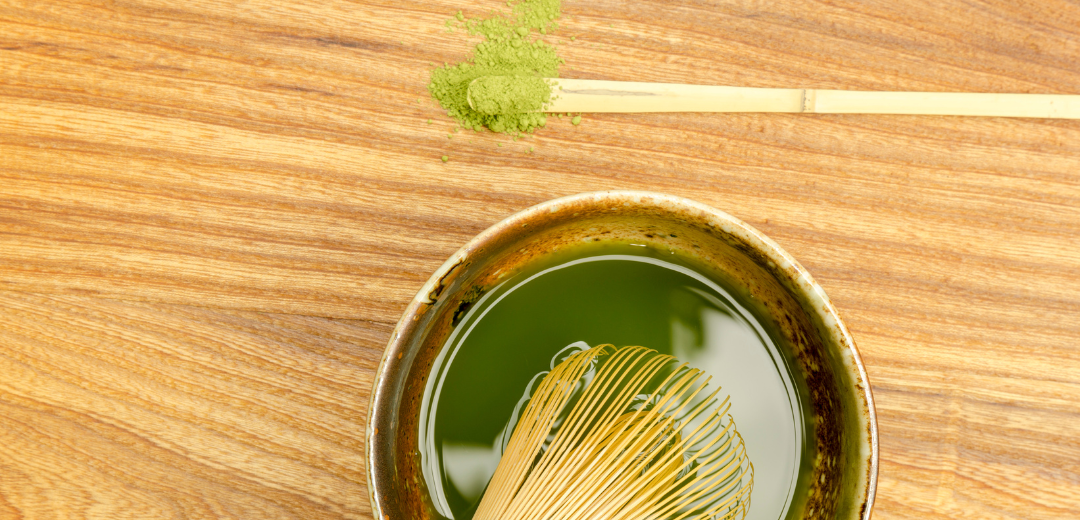
How Matcha May Support Healthy Weight Management
Does matcha really help with weight loss? An honest, evidence-based look at matcha, metabolism, and calories — and the best way to drink it as part of a balanced routine,...
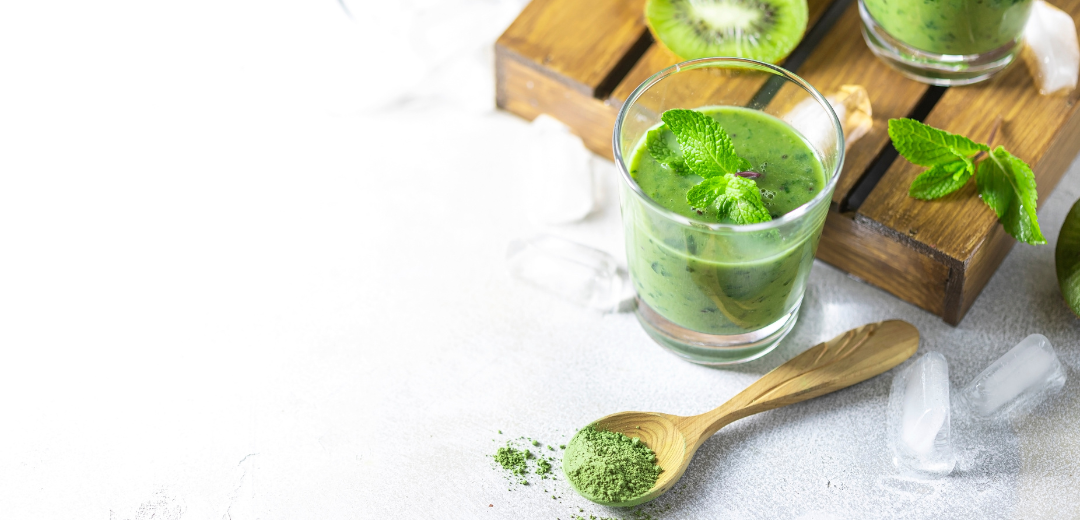
Uji Matcha · Healthy Living
If you’ve searched for whether matcha helps with weight loss, you’ve probably found everything from breathless “fat-burning tea” promises to flat dismissals. The honest answer sits in between. Matcha — the finely stone-milled Japanese green tea powder traditionally prepared in Kyoto and Uji — is not a weight-loss product, and no single drink ever is.
What matcha can be is a genuinely useful habit inside a balanced routine. A plain bowl is almost calorie-free, naturally caffeinated, and rich in the plant compounds researchers have studied for their modest effects on metabolism. Drink it instead of a sugary latte and the calorie math alone can work in your favor.
This guide covers what the research actually shows about matcha and weight, how many calories matcha contains, the best way to drink it, when to drink it, and how much is sensible — so you can decide whether it deserves a place in your day. New to matcha entirely? Start with our primer on what matcha is.
Quick answer
Does matcha help you lose weight? Matcha itself does not cause weight loss. But because a plain bowl contains only a few calories — and because the catechins and caffeine it provides have been linked in research to small increases in fat oxidation and energy use — it can support a weight-management routine built on a balanced diet, regular movement and good sleep. Its biggest practical benefit is simple: it makes an easy, low-calorie swap for sugary drinks.
Important:
This article is for general education only and is not medical or nutritional advice. Matcha on its own will not cause weight loss and should be enjoyed as part of a balanced diet, regular movement and healthy sleep. If you are pregnant or breastfeeding, have a medical condition, take medication, or are sensitive to caffeine, please speak with your healthcare professional before changing your diet or caffeine intake.
What this guide covers
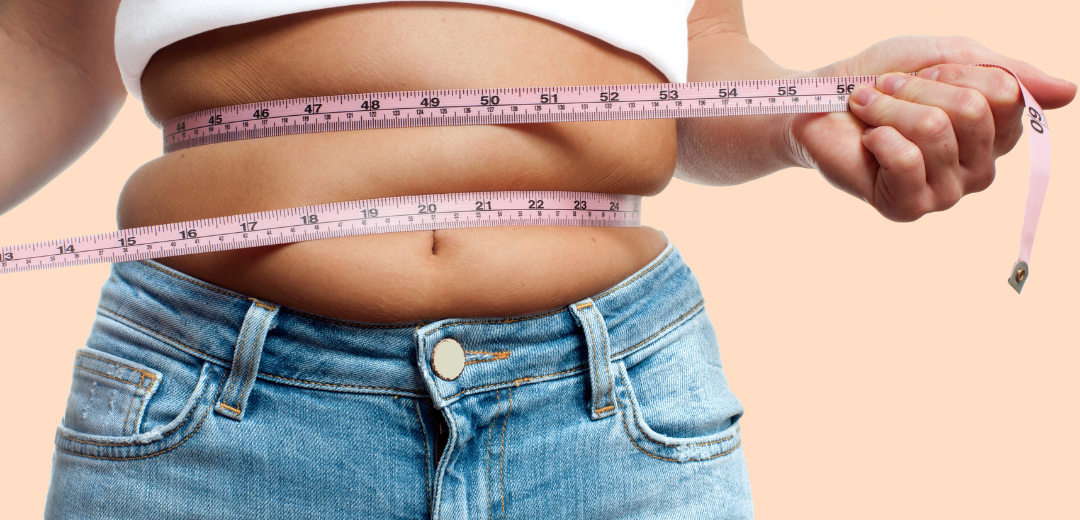
Does matcha help with weight loss?
The most useful way to answer this is to separate what matcha does from what the internet often claims it does. Matcha will not melt fat or override an unbalanced diet. What it offers is a small set of advantages that, used consistently, can make a healthy routine a little easier to stick to.
Most of the relevant research has looked at green tea extracts rich in catechins and caffeine — the same compounds found in good Japanese matcha. Across these studies, the combination of catechins (especially EGCG) and caffeine has been associated with modest increases in energy expenditure and fat oxidation compared with a placebo. Reviews of longer trials have reported small reductions in body weight and waist measurements, though the effects are generally minor and vary a lot from person to person.
In other words, the science points to a gentle, supportive role rather than a dramatic one. Think of matcha as one helpful habit among many — not the lever that does the work on its own.

Is matcha high in calories?
No — prepared plain, matcha is one of the lowest-calorie drinks you can make. A traditional bowl of usucha uses around 1 gram (about half a teaspoon) of pure matcha powder whisked with hot water, which contributes only about 3 to 5 calories. Because you drink the whole leaf, you also get its plant compounds for almost no calories at all.
The calories only climb when you add things — milk, syrups, sugar, or sweetened ready-made versions. Here is how a plain bowl compares with common alternatives:
| Drink | Typical calories | Added sugar? |
|---|---|---|
| Plain matcha (1 g, water) | ~3–5 | None |
| Matcha latte, unsweetened plant milk | ~50–90 | None |
| Sweetened bottled tea or energy drink | ~80–140 | Usually high |
| Flavored café latte or frappé | ~150–300+ | Usually high |
This is where matcha earns its place most reliably. Swapping one sweet coffee-shop drink a day for plain matcha or a light, unsweetened latte can quietly remove a meaningful number of calories from your week — without feeling like deprivation. If you want to keep it lean, see how grades differ in our ceremonial vs culinary matcha guide.
What the research says about matcha, metabolism and fat oxidation
Matcha naturally contains caffeine — usually around 30–40 mg per gram — alongside a high concentration of catechins, because it is made from whole, shade-grown leaves that are stone-milled into powder. You can read more about how that process concentrates these compounds in our overview of how matcha is made.
Several controlled studies have found that green tea catechins combined with caffeine can slightly raise resting energy expenditure and the share of energy the body draws from fat, particularly during light activity. Participants in these trials usually didn’t change their diets dramatically; the effect came from the compounds themselves. Trials running over several weeks have reported small improvements in body-fat measures, but the changes are typically modest.
The honest takeaway: the effect is real but small, and it depends on the dose, your overall diet, your activity levels, and your individual physiology. Matcha can nudge things in a helpful direction; it doesn’t do the heavy lifting.
Matcha vs coffee and green tea for weight management
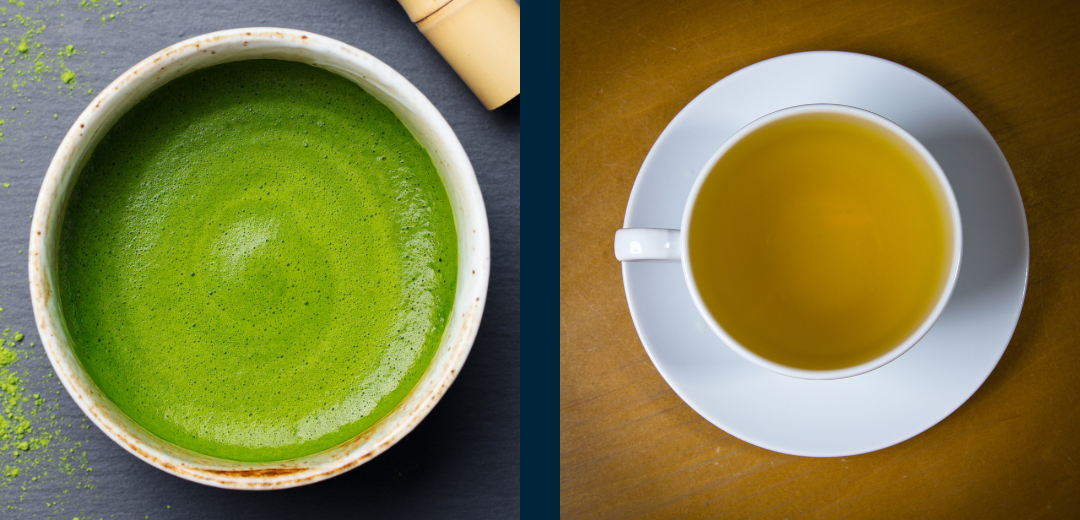
Matcha and brewed green tea come from the same plant, but they aren’t identical in practice:
◆Shading: Matcha leaves are shaded before harvest, which raises chlorophyll, amino acids and certain catechins.
◆Whole-leaf: You whisk and drink the entire powdered leaf rather than steeping and discarding it, so you take in more of its compounds per serving.
◆Concentration: Cup for cup, matcha generally delivers more catechins and L-theanine than a typical brew of green tea.
That makes matcha a convenient, concentrated way to include green-tea polyphenols daily — though it doesn’t make regular green tea “worse.” If you’re weighing them up, our deep dives on matcha vs green tea and matcha vs coffee compare them in detail.
Versus coffee, the practical difference many people notice is feel: matcha’s caffeine arrives alongside L-theanine, which tends to soften the spike-and-crash pattern and the jitters that can come from coffee alone.
The best way to drink matcha for weight management
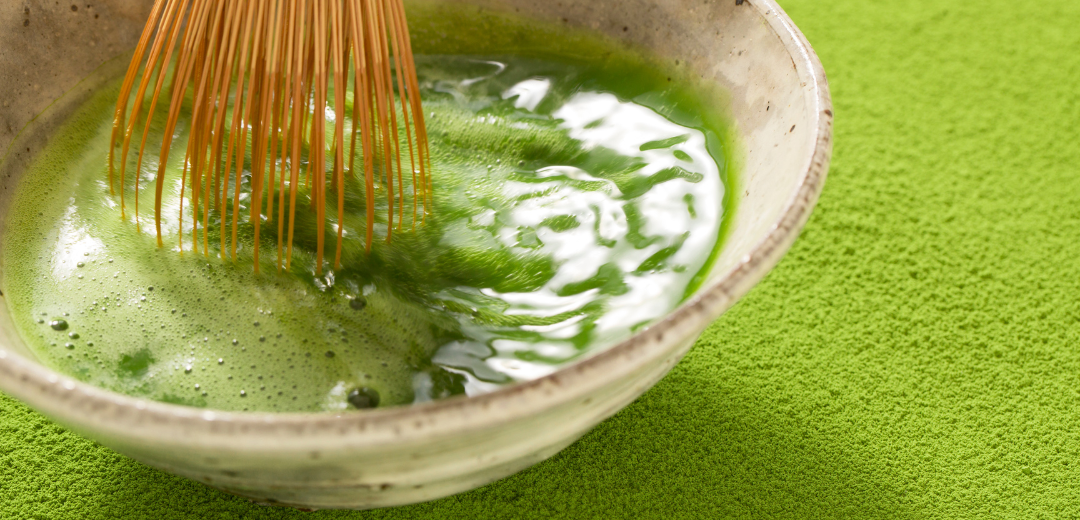
There is no “fat-burning” recipe, but a few simple habits keep matcha working in your favor rather than against it:
◆Keep it unsweetened. Prepare matcha with hot water, or with a modest amount of milk or plant milk. If you like it sweet, start with the smallest amount of honey or sugar and reduce it over time.
◆Use about 1–2 teaspoons (2–4 g) per serving. Adjust to your taste and caffeine sensitivity.
◆Make it your sugary-drink swap. Replacing soft drinks, sweet bottled teas, and high-calorie coffee orders with matcha is where the biggest, most reliable impact happens.
◆Sift and whisk for a smoother bowl. A quick sift prevents clumps and makes plain matcha far more enjoyable, which makes it easier to keep the sugar out.
For whisking technique and ratios, follow our step-by-step guide on how to make matcha tea, and if you’re choosing a tin to start with, the matcha buying guide explains what to look for.

When is the best time to drink matcha?
Timing won’t make or break your results, but a couple of patterns suit most people:
◆Morning or early afternoon. Drinking matcha earlier in the day lets you enjoy the caffeine without it interfering with sleep — and good sleep matters more for weight than any single drink.
◆Before gentle movement. A bowl 30–60 minutes before a walk, stretch or workout can provide steady, focused energy. Many people find this easier to sustain than coffee.
◆In place of an afternoon snack-and-soda habit. If 3 p.m. usually means a sweet drink, a warm bowl of matcha can fill that ritual slot with almost no calories.
You don’t need to work out to benefit. If a structured routine isn’t your thing, pair matcha with light movement you actually enjoy — a post-lunch walk, some stretching, or gentle yoga — and let the sugary-drink swap do the quiet work.
How much matcha should you drink per day?
Most healthy adults do well with up to 2–3 servings of matcha per day. Because each gram carries roughly 30–40 mg of caffeine, two to three bowls keeps you comfortably within typical daily caffeine guidance for healthy adults — but individual tolerance varies, so let how you feel be your guide.
If you’re sensitive to caffeine, you may want less, or to keep matcha to the morning only. You can read more on amounts and the calm-energy effect in our notes on matcha and caffeine, and on what to watch for in our guide to matcha side effects.
More is not better here. Drinking large amounts won’t accelerate weight loss, and it can lead to restlessness or disrupted sleep — which tends to work against your goals.
Matcha’s nutritional profile at a glance
Because matcha is made from whole, shaded, stone-milled leaves, a single 1-gram serving is a concentrated, nutrient-dense alternative to empty-calorie drinks. It provides:
◆Catechins (including EGCG) — antioxidant plant compounds studied for their role in metabolic health.
◆L-theanine — an amino acid associated with calm focus and reduced perceived stress.
◆A moderate dose of caffeine — around 30–40 mg per gram, for steady energy.
◆Small amounts of vitamins and minerals such as vitamin C, vitamin K, potassium and manganese.
It’s not a multivitamin and shouldn’t be treated as one, but as a daily drink it adds plant compounds to a varied diet while costing you almost nothing in calories. For the wider picture, see our overview of matcha benefits.
Energy, focus and appetite awareness
One reason people reach for matcha while managing their weight is simply the way it makes them feel. Thanks to the pairing of caffeine and L-theanine, matcha often delivers:
◆Mild, sustained energy rather than a sharp spike and crash.
◆Improved focus for work or study.
◆A short, intentional pause in the day — especially when it’s whisked by hand in a chawan.
That calmer focus can make it easier to notice your body’s hunger and fullness signals instead of eating out of boredom or stress. Some people find that an unsweetened matcha between meals helps them feel more settled and less drawn to snacking — though, like everything here, this varies from person to person.
The honest bottom line
Matcha is a habit, not a magic bullet
Matcha won’t erase an unbalanced diet, and it can’t target fat in any one area — no food or drink can. What it can be is a low-calorie, antioxidant-rich ritual that may gently support fat oxidation, provide steady energy, and — most usefully — replace the sugary drinks that quietly add up.
Pair high-quality Japanese matcha with mindful eating, movement you enjoy and regular sleep, and it becomes part of a sustainable lifestyle rather than a quick-fix “weight loss tea.”
Matcha and weight loss: frequently asked questions
Does matcha help you lose weight?
Not on its own. Matcha is almost calorie-free when prepared plain, and its catechins and caffeine have been linked in research to small increases in fat oxidation, so it can support a weight-management routine. The clearest benefit is using it to replace higher-calorie, sugary drinks. Lasting results still come from overall diet, movement and sleep.
Is matcha good for weight loss compared with other drinks?
As a daily drink, yes — mostly because it is so low in calories and a satisfying swap for sweet beverages. It also provides a concentrated dose of green-tea catechins. Just keep it unsweetened or lightly sweetened, since added sugar and syrups are what turn a near-zero-calorie bowl into a high-calorie treat.
Is matcha high in calories?
No. A plain bowl made with about 1 gram of matcha and hot water has only around 3–5 calories. Calories come from what you add — milk, sweeteners or pre-sweetened versions — not from the matcha powder itself.
What is the best way to drink matcha for weight loss?
Keep it unsweetened or very lightly sweetened, use about 1–2 teaspoons per serving, and use it specifically to replace sugary drinks. Plain matcha with hot water or a splash of unsweetened plant milk keeps the calories low while still giving you the catechins and a calm energy lift.
When should I drink matcha?
Morning or early afternoon suits most people, so the caffeine doesn’t affect sleep. A bowl 30–60 minutes before a walk or workout can provide steady, focused energy. Replacing a mid-afternoon sweet drink with matcha is one of the easiest wins.
Can I drink matcha every day?
Most healthy adults can enjoy 2–3 servings a day. Each gram has roughly 30–40 mg of caffeine, so a few bowls usually stay within typical caffeine guidance — but tolerance varies. If you are sensitive to caffeine, pregnant, breastfeeding, or have a medical condition, check with your healthcare professional.
Does matcha burn belly fat?
No drink can target fat in a specific area, and matcha is no exception. Research suggests catechins and caffeine may modestly support overall fat oxidation, but spot reduction isn’t something matcha — or any food — can do. A balanced diet and regular movement remain the foundation.
Ready to make matcha part of your daily ritual?
Organic, stone-milled Uji matcha — smooth enough to enjoy plain, and a clean swap for your sugary drink.
Organic Classic Blend Shop all matcha
About the Author
Luke Alcock is the founder of Premium Health Japan, based in Kyoto and Osaka. He works directly with Uji tea farmers, sourcing authentic ceremonial-grade matcha and supporting brands around the world with OEM and private label services.