


Barista matcha and bulk Japanese tea for cafés and restaurants
Ceremonial and latte-grade matcha shipped direct from Japan. Order from 1 kg, taste samples first, and know your cost per cup before you commit.
Our price list is free to view - we ask for your email once so we can send you the updated list when prices change.
Wholesale, direct
Why cafés buy from us
Direct from Japan.
We source from producers in Uji, Kagoshima, Shizuoka and other tea regions and ship from our warehouse in Osaka. No importer in the middle, no relabeled stock.
Start at 1 kg.
Most grades have a 1 kg minimum. In-stock items ship as soon as payment clears.
Taste before you order.
Samples of most grades are 800 JPY and reach the US, Europe and Australia by DHL in 2 to 4 days.
One price for everyone.
Matcha is a finite harvest, picked once a year, and demand outstrips it. Our price list is our best price, not an opening bid, and we don’t negotiate volume discounts: a lower price for one buyer would mean a higher one for everyone else. A two-location café pays the same per kilo as a national chain.
The cafe range
Choose your grade
Matcha behaves differently in a bowl than it does in milk. We’ve grouped our café range by how you’ll serve it. These ten are our picks for café menus, chosen from more than 50 teas on our wholesale price list. Start with one from each tier you serve; you can explore the full range later. Cost per cup assumes 2 g of matcha per drink, the standard single-shot dose. Many cafés use 3 to 4 g in a larger or stronger latte; at 4 g, double the figure shown. Prices are per kilogram in Japanese yen; your card or bank converts at payment.
Tier 1 - For straight drinks (usucha, matcha shots, matcha tonics)
Smooth, sweet, low bitterness. These are the grades to serve with water only, where there’s nothing to hide behind.

-
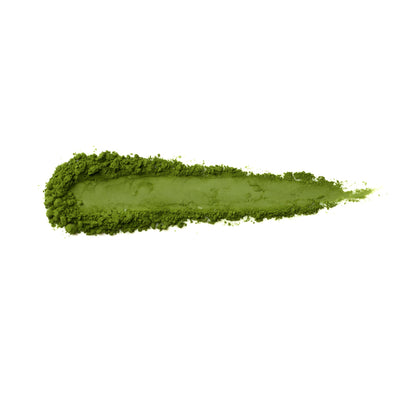 C115
C115Ceremonial Grade Kagoshima Matcha, single origin
Kagoshima
32,500 JPY / kg ~65 JPY per cupView details -
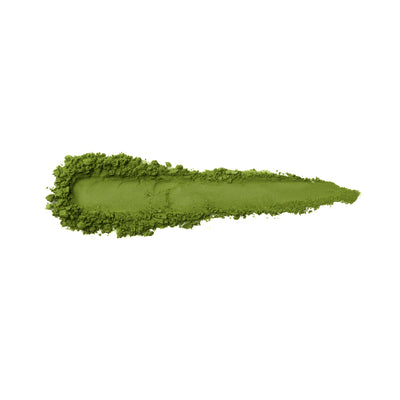 OU02
OU02Ceremonial Grade Uji Okumidori Matcha, single origin
Uji, Kyoto
34,900 JPY / kg ~70 JPY per cupView details -
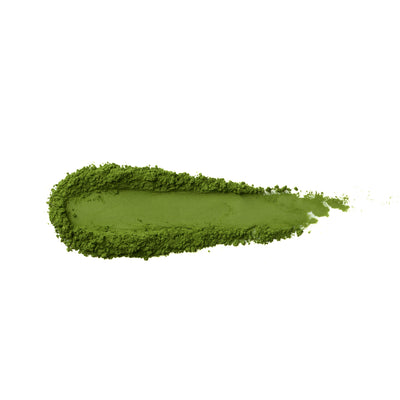
Tier 2 - For lattes and iced drinks
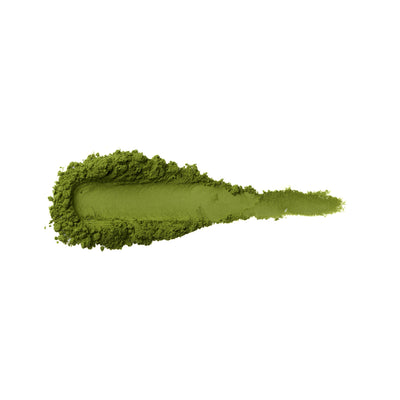
H011 Premium Latte Grade Uji Matcha - our barista matcha. Milled for milk: a deeper green that holds its color through steamed or cold milk, with enough body to come through sweetened drinks. If you serve more lattes than straight matcha, start here.

-
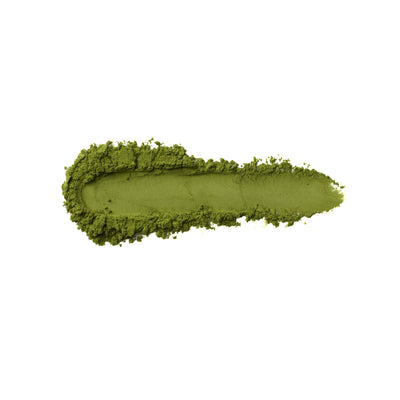 Barista matcha
 -
-
 H009
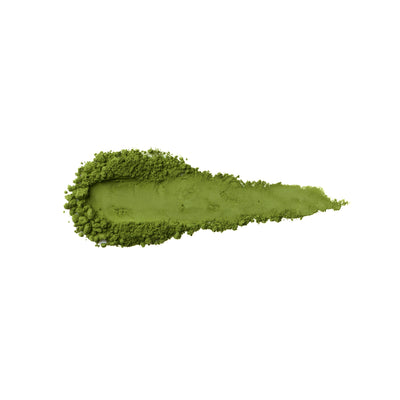
H009Ceremonial Grade Uji Matcha - Classic
Uji, Kyoto
For cafés that want one matcha for both the bowl and the latte.
30,300 JPY / kg ~61 JPY per cupView details
Tier 3 - Certified organic (JAS)
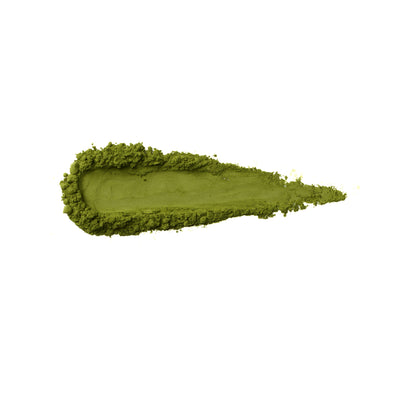
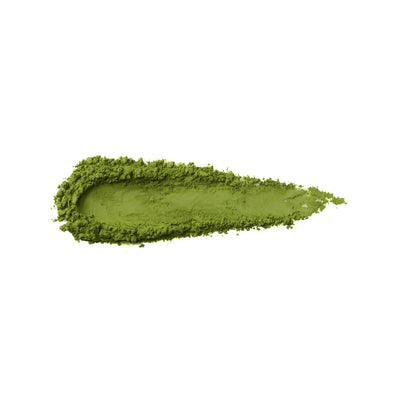
Single-origin organic matcha from Kakegawa, Shizuoka, milled with a patented pulverizing method that keeps the particle size fine and even. JAS organic certificates are available for your import file. Organic grades reach us in sealed 20 kg lots. Breaking a lot into 1 kg bags has to be done by a certified organic packer we contract in Japan, which is why orders under 20 kg carry a slightly higher per-kilo price - and why we can offer a 1 kg minimum on organic matcha at all. Prices shown are for orders under 20 kg.
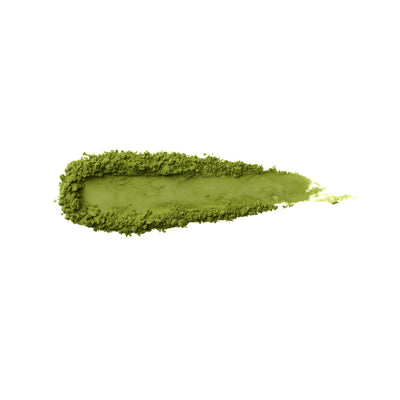
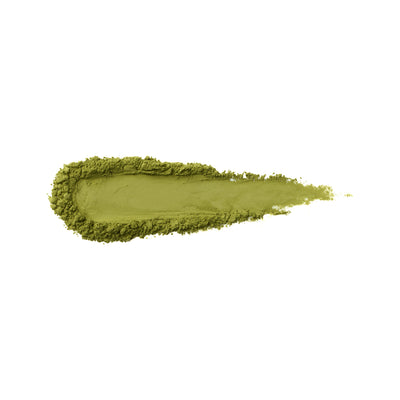
Every grade above is on our wholesale price list with tasting notes, harvest, milling and packaging options. See the full price list
Our price list is free to view - we ask for your email once so we can send you the updated list when prices change.
What a cup actually costs
At 2 g per drink, a kilogram of matcha makes about 500 lattes. That puts our barista grade at around 40 JPY of matcha per cup and our organic classic at around 30 JPY. Even a single-origin ceremonial matcha served straight costs less per cup than the milk in a latte. Price your menu on the tea you want to serve, not the tea you think you can afford.
Beyond matcha
Loose-leaf Japanese tea for your menu
Sencha, gyokuro and hojicha for hot pots, cold brew and iced tea. Our loose-leaf range comes from Uji and Shizuoka, is stocked in Japan and ships alongside your matcha in the same parcel.
- Sencha - the everyday Japanese green: fresh, grassy, clean. Brews hot or cold.
- Gyokuro - shade-grown, deep umami. A specialty pour for the tea list.
- Hojicha - roasted, caffeine-light, nutty. Works as a hot pot or a hojicha latte.
Our price list is free to view - we ask for your email once so we can send you the updated list when prices change.

Try before you commit
Samples first
Add any grade to your sample list on the price list, send it through, and we’ll invoice you. Samples of most grades are 800 JPY each; a few top-tier teas cost a little more. We ship samples by DHL, which takes 2 to 4 days to the US, Europe, Australia and most of Asia. Sample shipping to the US runs around 5,500 JPY and is usually similar or less to Europe. If you’re in the Middle East, ask us for a quote - we currently ship there by FedEx.
Our price list is free to view - we ask for your email once so we can send you the updated list when prices change.
Getting it to you
Shipping and importing
Everything wholesale ships from our warehouse in Osaka by DHL, FOB. You pay the shipping at checkout and any import duty or tax in your country. Here’s what recent orders have cost, so you can budget before you ask:
| Order | Destination | DHL, approx. |
|---|---|---|
| 1 kg | USA | 6,000 JPY |
| 3 kg | USA | 8,500 JPY |
| 2 kg | Australia | 7,000 JPY |
| 2 kg | Malaysia | 6,000 JPY |
| 8 kg | France | 40,000 JPY |
| 20 kg | Belgium | 50,000 JPY |
| 20 kg | Australia | 45,000 JPY |
| 50 kg | USA | 120,000 JPY |
Rates vary by season and delivery address; we quote the exact figure with your invoice.
United States
We hold an FDA registration and a foreign DUNS number. Customs will usually ask you for your business tax ID (EIN) and your DUNS number. If you’re not a US resident importing into the US, you may also need an FSVP agent; we can point you to one.
EU, UK and elsewhere
We can supply JAS organic certificates for the organic range and certificates of analysis from previous testing. We don’t hold USDA or EU organic labels. If your country requires specific lab testing, we can arrange it at cost through a Japanese laboratory and send you the report.
Terms
Ordering and payment
Payment is upfront. We invoice in Japanese yen and prefer a bank transfer to our Wise account; Wise also accepts USD, EUR, AUD and most other currencies at their rate. Card and PayPal are available with a 4% transaction fee. We don’t offer negotiated discounts - the price list is the price, for everyone, because the harvest is finite and we’d rather allocate it fairly than reward whoever pushes hardest.
In their words
What buyers say
They have superb service. The entire team has been extremely helpful and has helped me deliver an amazing product to customers. The quality of their matcha is way superior to what I’ve been able to find out there.
I have received 2 kg of C114 lovely matcha tea. They have taken care of all parts of the shipment, so it was fair and easy for me. It has again been a pleasure to trade with Premium Health Japan.
Excellent service from start to finish. Communication was fast, professional and very helpful. The products were carefully packaged, shipped quickly and arrived in perfect condition.
Good to know
Questions cafés ask us
How much matcha per latte?
Most cafés use 2 g per 12 oz drink, sifted and whisked with a splash of hot water before milk. Larger drinks and stronger house recipes run 3 to 5 g. Start at 2 g with a sample and adjust to your cup size and milk.
Ceremonial or latte grade for my menu?
If matcha is mostly served with milk, a latte grade like H011 holds color and flavor better and costs less. If you serve straight matcha or matcha tonics, use a ceremonial grade. Many cafés stock one of each.
How long does matcha keep?
Unopened, 12 months from the milling date in a cool, dark place. Once opened, use within 4 to 6 weeks, keep the bag sealed and refrigerated, and let it come to room temperature before opening to avoid condensation. See our blog for storage tips.
Can I order less than 1 kg?
For most grades, 1 kg is the minimum. Samples are the way to try before that.
Why do the organic grades have two prices?
They arrive in sealed 20 kg lots. Taking a full lot gets the lot price. Anything smaller is repacked into 1 kg bags by a certified organic packer in Japan, which adds a small cost per kilo but lets you start at 1 kg.
Do you offer volume discounts? Other suppliers do.
No, and it’s worth explaining why, because most cafés ask. Suppliers who negotiate usually can for one of two reasons: their list price has room built into it, so the “discount” brings it back to the real price; or they sell blended matcha they can buy more of when a big order comes in. We do neither. We publish our real price, and our supply is fixed at harvest: tencha is shaded and picked once a year on a limited number of fields, so a discount for one buyer means someone else pays more for less. So the price list is the price, for everyone, whether you order 1 kg or 100 kg. In return you get a price you can build a menu on, and the certainty that nobody else is getting the same tea cheaper. (Organic grades carry a lower per-kilo figure for a full 20 kg lot - that’s the producer’s lot price, not a discount; smaller quantities are repacked by a certified organic packer in Japan, which is what lets us offer 1 kg at all.)
Can I put my café’s name on the can?
Yes. We run private-label and OEM programs for brands and cafés. See our private label page.
Do you provide training or recipes?
We keep things simple: our blog covers preparation and storage, and you can ask us anything by email. Most cafés we work with already have their menu and prefer to develop it themselves.
Do you ship from stock in my country?
Wholesale orders ship from Japan. Our regional warehouses hold retail sizes only.
Get in touch
Tell us about your café
Send us a few details and we’ll reply within one business day with the right grades for your menu and a shipping estimate.