

Hand-Picked Uji Matcha — Gokō × Samidori Ceremonial Blend
100% Hand-Picked · First Spring Harvest · Ceremonial Grade


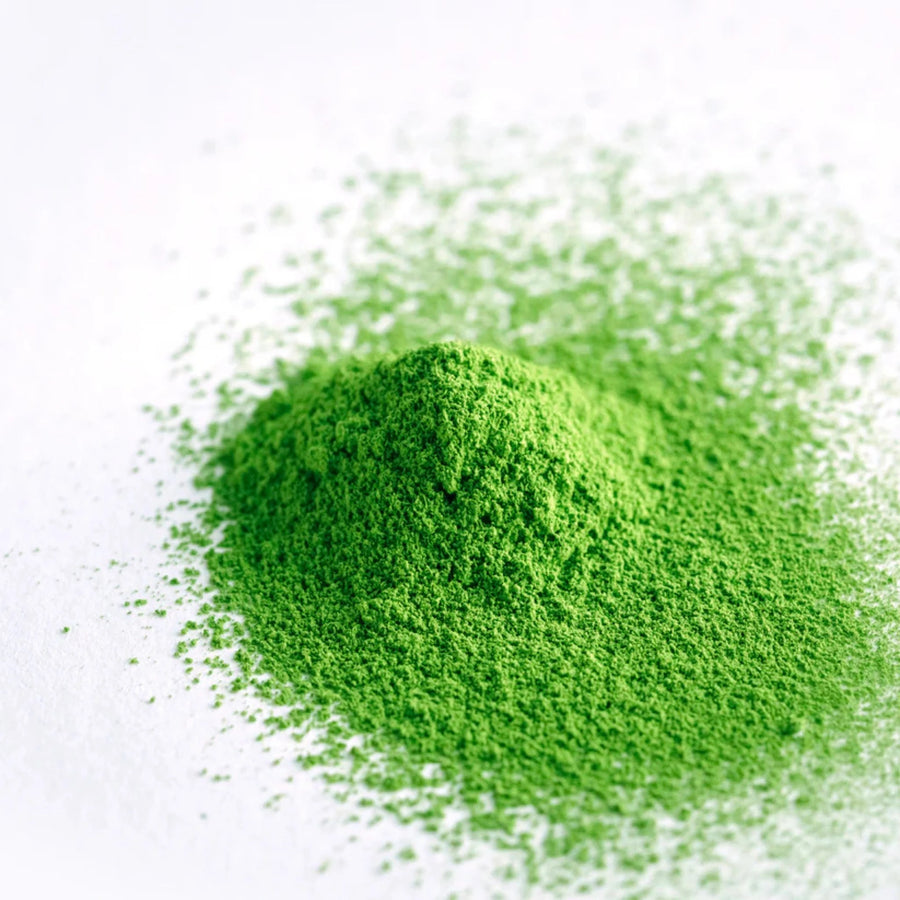




This hand-picked Uji matcha is a ceremonial grade blend of two prized Uji cultivars — Gokō and Samidori — grown on an Edo-period family farm in Sumiyama, a quiet mountain tea-growing area in northern Uji, Kyoto.
Every leaf is picked by hand during the first spring flush, taking only the youngest, most tender shoots. The leaves are processed into tencha and stone-milled in Kyoto, preserving aroma, color, and texture. Gokō contributes plush, creamy sweetness and deep umami; Samidori brings a vivid green color and a clean, refined clarity.
The result is smooth and composed: a vibrant green bowl with generous umami, gentle natural sweetness, and almost no bitterness. It suits thin usucha, thick koicha, and premium matcha lattes where the tea itself stays the focus.
Part of our Signature Uji Series, this is the most labor-intensive matcha we offer. Hand-picked tencha is a small fraction of Japanese production and is rarely exported, so each first-harvest release is strictly limited.
Color
Deep, vivid emerald green with a soft satin sheen in the bowl.
Texture
Exceptionally fine and silky, whisking into a thick, velvety foam.
Aroma
Rich aroma of steamed greens and spring grass, with gentle cream and subtle nutty undertones.
Taste
Clean umami balanced by gentle sweetness, layered green-tea notes, and a long, composed finish with minimal bitterness.
Ideal For
Traditional usucha and thick koicha, daily ceremony, guest-serving, and premium matcha lattes where nuance and color matter.
✓ 100% hand-picked tea leaves, never machine-harvested
✓ Gokō × Samidori — two prized Uji cultivars, blended at the tencha stage
✓ First spring harvest (ichibancha)
✓ Single-origin estate in Sumiyama, northern Uji
✓ Shade-grown tea leaves, processed into tencha and stone-milled in Kyoto
✓ Vibrant green color, rich umami, and naturally low bitterness
✓ Suitable for thin usucha, thick koicha, and refined matcha lattes
✓ From an Edo-period family farm — six generations of Uji tea-making
✓ Limited annual production, rarely exported
✓ Packed fresh in a resealable 30 g tin for freshness
Part of our Signature Uji Series — a rare, fully hand-picked ceremonial blend.
Gokō × Samidori: A Hand-Picked Signature Blend
This matcha pairs two prized Uji cultivars. Gokō brings plush, creamy sweetness and deep, enveloping umami; Samidori adds a luminous green color, refined structure, and a clean, savory clarity. Blended at the tencha stage, they form a ceremonial matcha that is layered yet approachable.
Where our other matchas each showcase one cultivar, this is our hand-picked Signature blend — every leaf selected by hand on an Edo-period family farm, the rarest and most labor-intensive tea we offer.
100% Hand-Picked, Leaf by Leaf
Almost all matcha today is machine-harvested. This one is not. Every leaf is picked by hand during the first spring flush — only the youngest, most tender shoots — on a family farm that has done it this way for six generations, since 1830.
Hand-picked tencha is only a small fraction of Japanese production — around 5% — and it is becoming rarer each year as tea farmers age out of the craft. Machines can match it for scale, but not for precision, and that selectivity shows in the clarity of the cup.
Crafted the Traditional Uji Way
The tea plants are shade-grown for several weeks before harvest, raising the L-theanine and chlorophyll that give the tea its sweetness and vivid color. After hand-picking, the leaves are steamed, dried without rolling, refined into tencha, and stone-milled slowly in Kyoto.
Stone milling yields only about 40 grams an hour, and the mill must be kept cool to protect color and aroma. It is slow, deliberate work — and it is what separates true Uji matcha from the rest.
Preparation and Enjoyment
For a traditional thin tea, whisk 1–2 grams of matcha with hot water (around 70–80°C, not boiling) until smooth and frothy. For thick koicha, use more powder and less water, blended to a glossy paste.
Its structure and color also hold up beautifully in a matcha latte, adding depth and creamy balance without overpowering the cup.

A Rare, Limited Release
Only a small quantity of first-spring leaves is hand-picked each year, and this farm exports to just a handful of partners overseas. Once the seasonal batch sells through, it returns with the next spring harvest.

Packaging and Freshness
Each 30 g tin is sealed to protect color, aroma, and freshness. Refrigerate after opening and use within 1–2 months for best results.

Uji Matcha Gokō (Goko) × Samidori – Hand-Picked Ceremonial Blend (30g)

Uji Matcha Asahi – Hand-Picked Single-Cultivar Ceremonial (30g)

Organic Uji Matcha — Ceremonial Grade Classic Blend (50g)
$31
$20

Organic Japanese Matcha — Ceremonial Grade, First Spring (50g)
$31
$15

JAS Organic Uji Matcha – Single-Cultivar Okumidori (30g)
$51
$37

JAS Organic Uji Matcha – Single-Cultivar Saemidori (30g)
$45
$23

Organic Uji Matcha – Kyoto Cultivar Blend (40g)
$42
$14

Uji Matcha Gokō (Goko) – Pesticide-Free Single-Cultivar (30g)
$50
$27

Ceremonial Grade Uji Matcha — First Spring Harvest (100g)
$80
$59

Organic Uji Matcha for Café – Ceremonial Blend (250g)
$139
$99
Frequently Asked Questions
Common questions about this hand-picked Uji matcha
How do I prepare this matcha?
For a traditional bowl (usucha), sift 1–2 grams of matcha into a warm chawan, add about 60–70 ml of hot water (not boiling — around 75–80°C / 165–175°F), and whisk briskly with a chasen in a "W" or "M" motion until a fine layer of foam forms on the surface.
Avoid boiling water. Heat above 85°C extracts excess tannins and dulls the flavor. For best results, let kettle water rest for 60–90 seconds after boiling before pouring.
What's the difference between ceremonial and culinary grade?
Ceremonial grade matcha is made from the youngest, most tender first-harvest leaves, stone-milled slowly to preserve aroma and texture. It is intended for drinking on its own, whisked with water, where its full character is on display.
Culinary grade matcha typically uses later harvests and is designed to stand up to other ingredients — milk, sugar, baked goods — where a more robust, slightly bitter profile is desirable.
This is a ceremonial grade hand-picked blend. It is smooth and full enough for thick koicha as well as thin usucha, and refined enough that it also shines in a premium latte.
How long does this matcha last after opening?
For best flavor and color, use within 1–2 months after opening, kept refrigerated in the sealed tin.
Matcha is light- and oxygen-sensitive. Once opened, oxidation begins immediately and slowly dulls both the bright green color and the fresh, vegetal aroma. Refrigeration slows this process significantly.
Before opening, an unopened tin stays fresh for around 12 months from the harvest date when stored cool and dark. Each batch carries a best-before date on the packaging.
Can I use this matcha in lattes?
Yes. This blend holds its structure and vibrant color in milk, adding depth and creamy balance without becoming bitter — it makes an excellent latte with dairy or oat milk.
For a latte, whisk 1.5–2 grams of matcha with a small amount of hot water to make a smooth paste first, then add warmed milk on top. This prevents clumping and preserves the color.
That said, if you primarily drink matcha lattes daily, a culinary-grade matcha may be a more economical choice. We carry both — get in touch if you'd like a recommendation.
What does "hand-picked" mean, and why does it matter?
Most matcha today is machine-harvested — fast, but indiscriminate. Hand-picked means every leaf is selected individually during the first spring flush, taking only the youngest, most tender shoots and leaving the rest.
Hand-picked tencha is a small fraction of Japanese production — around 5% — and it is becoming rarer every year as tea farmers age out of the craft. Machines can match it for scale but not for precision, and that selectivity is what gives the cup its clarity, smoothness, and clean finish.
This matcha is picked entirely by hand on a single Edo-period family farm — the most labor-intensive tea we offer.
Why is this matcha produced in limited quantities?
A few reasons.
First, every leaf is hand-picked during the first spring flush — slow, careful work that limits how much can be made.
Second, it comes from a single Edo-period family farm in Sumiyama, not a regional cooperative, so the total yield is small.
Third, the farm exports to only a handful of partners overseas, which makes this release genuinely rare outside Japan.
When a seasonal batch sells through, we wait until the next spring harvest.
Is matcha caffeinated?
Yes. Matcha contains caffeine — roughly 30–70 mg per gram of powder, depending on the cultivar and harvest. A standard bowl made with 1–2 grams therefore contains somewhere between 30 mg and 140 mg of caffeine.
For comparison, a typical cup of brewed coffee contains around 80–100 mg, and a cup of green tea around 25–30 mg.
Matcha's caffeine is generally experienced differently from coffee's, because matcha also contains L-theanine, an amino acid that promotes a calmer, more sustained kind of alertness. Many people who find coffee jittery find matcha smoother — though sensitivities vary, and we always recommend listening to your own response.


