

Asahi Matcha — Hand-Picked Single-Cultivar Ceremonial Matcha from Uji, Kyoto
Single-Cultivar Asahi · 100% Hand-Picked · Ceremonial Grade

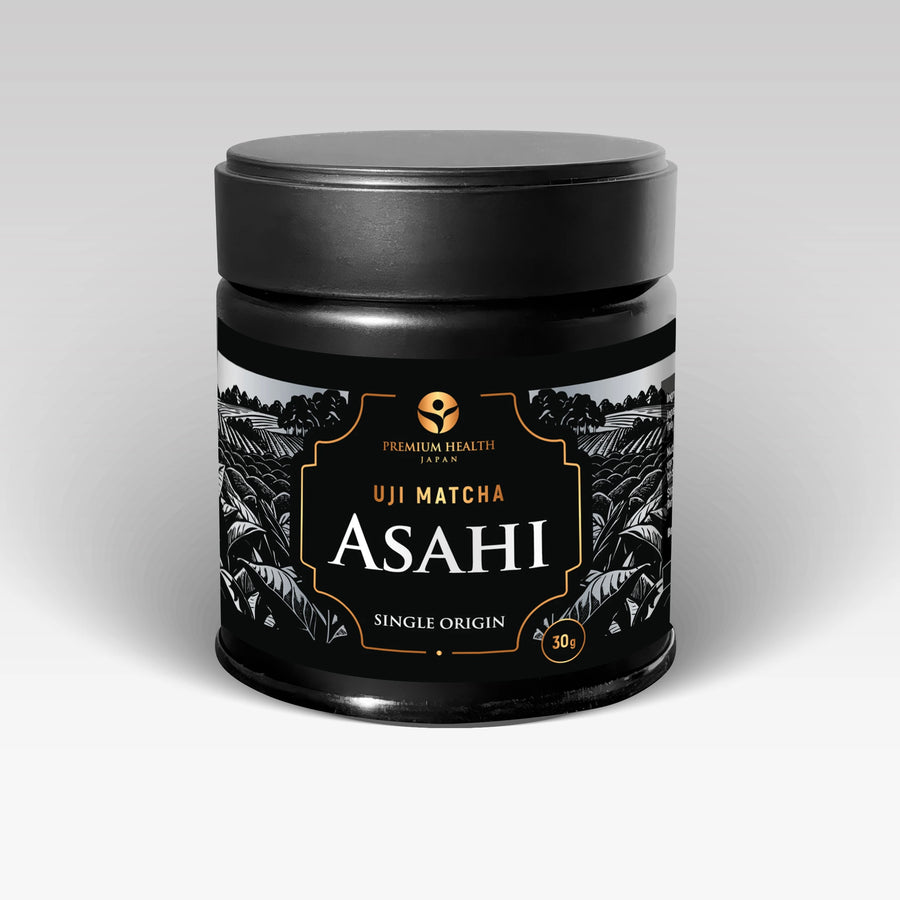




This Asahi matcha is a rare, ultra-premium ceremonial matcha made from a single cultivar grown on an Edo-period family estate in Uji, Kyoto, and harvested entirely by hand. It is the most refined matcha we offer.
Often called the “king of matcha cultivars,” Asahi accounts for less than 0.3% of Japan's matcha — naturally low-yielding and demanding to grow, so only a handful of Uji farms still produce it at ceremonial grade. The tender first spring leaves are hand-picked at peak maturity, processed into tencha, and stone-milled slowly in small batches.
What sets it apart is patience: after picking, the leaves are matured through the summer and milled only in autumn, once the flavor has deepened. The result is a deep emerald, exceptionally smooth matcha with profound, calm umami, natural sweetness, and a long, elegant finish with no bitterness.
This is a matcha for koicha, usucha, and mindful appreciation — made not for daily lattes but for moments of focus and ceremony. Each spring harvest is small, so availability is strictly limited.
Color
Deep emerald green with exceptional brightness and a glossy surface.
Texture
Velvety, refined, and luxuriously smooth.
Aroma
Soft floral notes with sweet grass and warm chestnut, and a refined aromatic depth.
Taste
Profound, calm umami balanced by natural sweetness, finishing clean with no astringency — composed and elegant rather than aggressive.
Ideal For
Thick koicha and thin usucha, high-end tea ceremony, and mindful appreciation — best enjoyed on its own.
✓ 100% single-cultivar Asahi — under 0.3% of Japan's matcha
✓ 100% hand-picked, first spring harvest (ichibancha)
✓ Shade-grown and stone-milled in small batches in Kyoto
✓ Matured until autumn before milling
✓ Single-origin from an Edo-period family estate in Uji
✓ Deep emerald green, profound umami, exceptional smoothness, no bitterness
✓ Best for koicha and usucha — ceremony and mindful appreciation
✓ Platinum ceremonial grade
✓ Limited annual release
✓ Packed fresh in Kyoto in a resealable 30 g tin
The pinnacle of our range — a rare, hand-picked single-cultivar Asahi.
Asahi: The King of Matcha Cultivars
Among Japanese tea cultivars, Asahi holds a revered place — often called the “king of matcha cultivars.” It is prized for balance, refinement, and purity rather than sheer intensity, with a calm, profound umami and a long, elegant finish. Naturally low-yielding and difficult to grow, Asahi accounts for under 0.3% of Japan's matcha, and only a handful of Uji farms still produce it at ceremonial grade.
Across our range, Saemidori is the bright and sweet one, Okumidori the balanced and deep, and Gokō the rich and umami-forward. Asahi sits above them all — the rarest cultivar and the most refined, our Platinum Reserve.
100% Hand-Picked, Leaf by Leaf
Every leaf is picked by hand during the first spring flush, taking only the youngest, most tender shoots. Hand-picking lets the grower select for the smooth texture, natural sweetness, and low bitterness that define top-tier ceremonial matcha — and for a cultivar as demanding as Asahi, that selectivity is everything.
True hand-picked Asahi has become genuinely rare. It cannot be rushed, and it cannot be done by machine without losing what makes it exceptional.
Matured Until Autumn
What sets this Asahi apart is patience. After the spring picking, the leaves are stored and allowed to mature through the summer. Only in autumn — when the flavor has deepened and the aroma has grown rounder and more intense — are they taken from storage and stone-milled.
Like wine, each year's tea is a little different. The sixth-generation owner reads the season's climate and soil and finishes the tea to bring out the best of that particular harvest — a yearly masterpiece, never quite the same twice.
Preparation and Enjoyment
Asahi rewards careful preparation. For usucha, whisk 1–2 grams with hot water (around 70–80°C, not boiling) until smooth. For koicha, use more powder and less water and blend slowly to a glossy, velvety paste — the form that shows Asahi's depth best.
This is a matcha to drink on its own and savor. Its delicate, refined character is wasted in a latte; for milk drinks, an everyday ceremonial or culinary grade is the better choice.

Limited Annual Availability
Because Asahi is less than 0.3% of Japan's matcha and every leaf is hand-picked, only a small quantity is produced each year. Once a seasonal release sells through, it will not return until the next harvest.

Packaging and Freshness
Each 30 g tin is sealed to protect color, aroma, and freshness. Refrigerate after opening and use within 1–2 months for best results.

Uji Matcha Gokō (Goko) × Samidori – Hand-Picked Ceremonial Blend (30g)

Uji Matcha Asahi – Hand-Picked Single-Cultivar Ceremonial (30g)

Organic Uji Matcha — Ceremonial Grade Classic Blend (50g)
$31
$20

Organic Japanese Matcha — Ceremonial Grade, First Spring (50g)
$31
$15

JAS Organic Uji Matcha – Single-Cultivar Okumidori (30g)
$51
$37

JAS Organic Uji Matcha – Single-Cultivar Saemidori (30g)
$45
$23

Organic Uji Matcha – Kyoto Cultivar Blend (40g)
$42
$14

Uji Matcha Gokō (Goko) – Pesticide-Free Single-Cultivar (30g)
$50
$27

Ceremonial Grade Uji Matcha — First Spring Harvest (100g)
$80
$59

Organic Uji Matcha for Café – Ceremonial Blend (250g)
$139
$99
Frequently Asked Questions
Common questions about this Asahi matcha
How do I prepare this matcha?
For a traditional bowl (usucha), sift 1–2 grams of matcha into a warm chawan, add about 60–70 ml of hot water (not boiling — around 75–80°C / 165–175°F), and whisk briskly with a chasen in a "W" or "M" motion until a fine layer of foam forms on the surface.
Avoid boiling water. Heat above 85°C extracts excess tannins and dulls the flavor. For best results, let kettle water rest for 60–90 seconds after boiling before pouring.
What's the difference between ceremonial and culinary grade?
Ceremonial grade matcha is made from the youngest, most tender first-harvest leaves, stone-milled slowly to preserve aroma and texture. It is intended for drinking on its own, whisked with water, where its full character is on display.
Culinary grade matcha typically uses later harvests and is designed to stand up to other ingredients — milk, sugar, baked goods — where a more robust, slightly bitter profile is desirable.
This is a Platinum ceremonial grade Asahi — among the most refined matcha you can buy, made for koicha and usucha. It is not intended as a culinary or latte matcha.
How long does this matcha last after opening?
For best flavor and color, use within 1–2 months after opening, kept refrigerated in the sealed tin.
Matcha is light- and oxygen-sensitive. Once opened, oxidation begins immediately and slowly dulls both the bright green color and the fresh, vegetal aroma. Refrigeration slows this process significantly.
Before opening, an unopened tin stays fresh for around 12 months from the harvest date when stored cool and dark. Each batch carries a best-before date on the packaging.
Can I use this matcha in a latte?
You can, but we would gently steer you away from it. Asahi's value is in its delicate, refined character, and milk masks exactly what makes it special.
For lattes, an everyday ceremonial or culinary grade gives you the same enjoyment at a fraction of the cost. We carry both, and we're happy to recommend one — Asahi is best whisked plain and savored.
What does "single-cultivar" actually mean?
Most commercial matcha is a blend — leaves from multiple cultivars combined to create a consistent house flavor profile year after year. Blending is a craft in its own right, but it averages out the distinctive character of individual cultivars.
Single-cultivar matcha uses leaves from one specific tea variety — in this case, Asahi, the rarest of Japanese cultivars. The resulting flavor is distinctly its own: calm, profound umami with exceptional smoothness and a long, refined finish.
Single-cultivar matcha is less common in Uji because it requires the farm to manage harvests separately rather than combining stocks. With a cultivar as scarce as Asahi, that is rarer still.
Why is this matcha produced in limited quantities?
A few reasons.
First, the Asahi cultivar is less than 0.3% of Japan's matcha — naturally low-yielding and grown by only a handful of farms.
Second, every leaf is hand-picked during the first spring flush, and the tea is then matured until autumn before milling — slow work that cannot be rushed.
Third, it comes from a single Edo-period family estate in Uji, so the total yield is small.
When a seasonal batch sells through, we wait until the next harvest.
Is matcha caffeinated?
Yes. Matcha contains caffeine — roughly 30–70 mg per gram of powder, depending on the cultivar and harvest. A standard bowl made with 1–2 grams therefore contains somewhere between 30 mg and 140 mg of caffeine.
For comparison, a typical cup of brewed coffee contains around 80–100 mg, and a cup of green tea around 25–30 mg.
Matcha's caffeine is generally experienced differently from coffee's, because matcha also contains L-theanine, an amino acid that promotes a calmer, more sustained kind of alertness. Many people who find coffee jittery find matcha smoother — though sensitivities vary, and we always recommend listening to your own response.


