

Matcha Guides & Education

Matcha Caffeine: How Much It Contains, How It Feels, and How to Manage It
Matcha contains caffeine, but how much you consume depends on serving size, preparation, and individual sensitivity. This guide explains how much caffeine is in matcha, how it compares to coffee...
Matcha caffeine is one of the most common questions people ask when they start drinking matcha green tea. Whether you’re switching from coffee, monitoring caffeine intake, or simply curious about how much caffeine is in a cup of matcha, understanding matcha’s caffeine content helps you enjoy it with confidence.
Matcha is a type of powdered green tea made from finely ground green tea leaves. Because you consume the entire leaf as a fine powder, matcha contains more caffeine per serving than regular green tea, but often feels gentler than coffee.
This comprehensive review explains how much caffeine matcha contains, why its energy feels different, and how preparation choices affect caffeine levels and overall matcha consumption.
How Much Caffeine Is in Matcha?

A typical serving of matcha powder contains 20–80 mg of caffeine per cup, depending on how much powder is used and the specific tea. Most laboratory analyses report about 19–44 mg of caffeine per gram of matcha powder.
Because matcha is consumed as a whole powdered green tea leaf, rather than brewed and discarded like other teas, more of the caffeine naturally present in green tea leaves enters the human body.
If you’re new to matcha, our guide explaining what matcha is provides helpful background.
In practical terms:
-
One cup of matcha usually contains less caffeine than a strong cup of coffee
-
It contains more caffeine than regular brewed green tea
-
The exact caffeine content varies widely by preparation and serving size
Matcha Caffeine Content: What Affects Caffeine Levels?
There is no single number for matcha’s caffeine content. Several factors influence how much caffeine ends up in your drink:
Unique cultivation method
Matcha uses a unique cultivation method where tea plants are shaded for about three weeks before harvest. This increases caffeine levels and amino acids, particularly L-theanine, while reducing bitterness.
Green tea leaves and harvest timing
Ceremonial-grade matcha is typically made from younger green tea leaves harvested in early spring. These leaves tend to contain higher caffeine levels than later harvests used for culinary matcha.
Amount of matcha powder used
The amount of powder is the most important variable. Using more powder results in greater caffeine intake, regardless of grade.
Preparation style
A cup of matcha prepared with hot water delivers caffeine differently than matcha blended with milk or steamed milk in a matcha latte.
For a step-by-step look at the production process, see our guide on how matcha is made, from leaf to powder.

How Much Caffeine Is in Matcha? Realistic Ranges
Below are realistic caffeine levels based on typical serving sizes:
-
Light cup of matcha (1 g powder)
~20–45 mg of caffeine -
Standard cup of matcha (2 g powder)
~40–90 mg of caffeine -
Strong preparation or koicha (3–4 g powder)
~80–160 mg of caffeine
A matcha latte often uses 2–3 grams of powder mixed with milk or steamed milk, meaning caffeine levels can approach those of coffee. For a closer look at preparation and serving sizes, see our matcha latte guide.
Important note: A teaspoon of matcha powder can vary greatly in weight. Using a scale provides more consistent caffeine intake than measuring by volume.
Why Matcha Caffeine Feels Different: Chemical Composition Explained
Many people report that drinking matcha provides sustained energy, calm focus, and clean energy rather than the jittery spike associated with coffee.
Amino acid L-theanine
Matcha contains the amino acid L-theanine, which is largely absent from coffee. This amino acid promotes calm alertness and helps moderate how caffeine affects the nervous system.
The interaction between caffeine and amino acid L-theanine slows absorption, resulting in energy that often lasts 3–6 hours without a crash.
Nutritional composition
Because matcha is consumed as a whole leaf, its nutritional composition includes fiber, polyphenols, catechins, and antioxidants. These compounds influence how caffeine is absorbed and metabolized.
This combination explains why matcha delivers a caffeine boost that feels smoother and more stable than coffee. However, it can still lead to similar side effects when consumed in larger amounts.
Matcha vs Coffee: How Caffeine Compares
|
Beverage |
Typical serving |
Approx. caffeine |
|---|---|---|
|
Cup of matcha |
2 g powder |
~40–90 mg |
|
Matcha latte |
2–3 g powder |
~60–130 mg |
|
Brewed coffee (8 oz) |
~10 g grounds |
~95 mg |
|
Espresso |
~7 g grounds |
~60 mg |
|
Regular green tea (8 oz) |
Steeped leaves |
~25–45 mg |
|
Black tea (8 oz) |
Steeped leaves |
~30–50 mg |

Matcha and coffee differ not only in caffeine content, but also in how that caffeine is delivered and experienced. Coffee caffeine is absorbed rapidly, often leading to energy spikes and crashes. Matcha caffeine enters the body more slowly, producing calm alertness rather than overstimulation.
We cover the matcha vs coffee topic in more detail here.
Is Matcha Tea Caffeine-Free?
No. Matcha tea contains caffeine because it comes from green tea leaves of the Camellia sinensis plant.
While some matcha products are lower in caffeine due to harvest timing or serving size, only clearly labeled decaffeinated matcha has most caffeine removed.
Matcha’s caffeine content is generally higher than that of regular green tea, precisely because the entire leaf is consumed.
Drinking Matcha: Does Preparation Change Caffeine Levels?
Preparation does not destroy caffeine, but it affects how much caffeine you consume.

-
Using more powder increases caffeine intake
-
Whisking matcha with hot water disperses caffeine evenly
-
Baking does not eliminate caffeine
-
Brewing time is irrelevant because matcha is not steeped
To prepare matcha tea, you need matcha powder, hot water, and a whisk. We explain the full process in our guide on how to make matcha.
Health Benefits, Safety, and Caffeine Intake
Matcha contains antioxidants and polyphenols that support overall health, including antioxidant activity and potential anti-inflammatory effects. However, caffeine intake still matters.
Healthy adults
Dietary guidelines commonly suggest up to 400 mg of caffeine per day for healthy adults.
Pregnant women
Many guidelines recommend limiting caffeine intake to around 200 mg per day during pregnancy. We discuss this in more detail in our article on matcha and pregnancy.
Blood pressure and sensitivity
Matcha is less likely to raise blood pressure than coffee for many people, but caffeine-sensitive individuals should start with small amounts.
This information does not replace medical advice.

How to Reduce Caffeine Intake from Matcha
-
Use less powder per cup
-
Drink matcha earlier in the day
-
Avoid multiple matcha lattes
-
Alternate with other teas
-
Track total caffeine intake from all beverages and foods
Small changes in matcha consumption often reduce adverse health effects while preserving enjoyment.
The Bottom Line
Matcha contains caffeine, but how much caffeine you consume depends on dose, preparation, and individual sensitivity.
Thanks to its chemical composition and amino acid profile, matcha delivers clean energy, calm focus, and sustained alertness that many people find easier on the body than coffee.
Start with a light cup of matcha, observe how your body responds, and adjust your intake from there.

Matcha Latte
Are matcha lattes actually good for you? A clear guide to the benefits, calories, and pros and cons — which milk to choose, whether to drink one every day, and...
Uji Matcha · Lattes
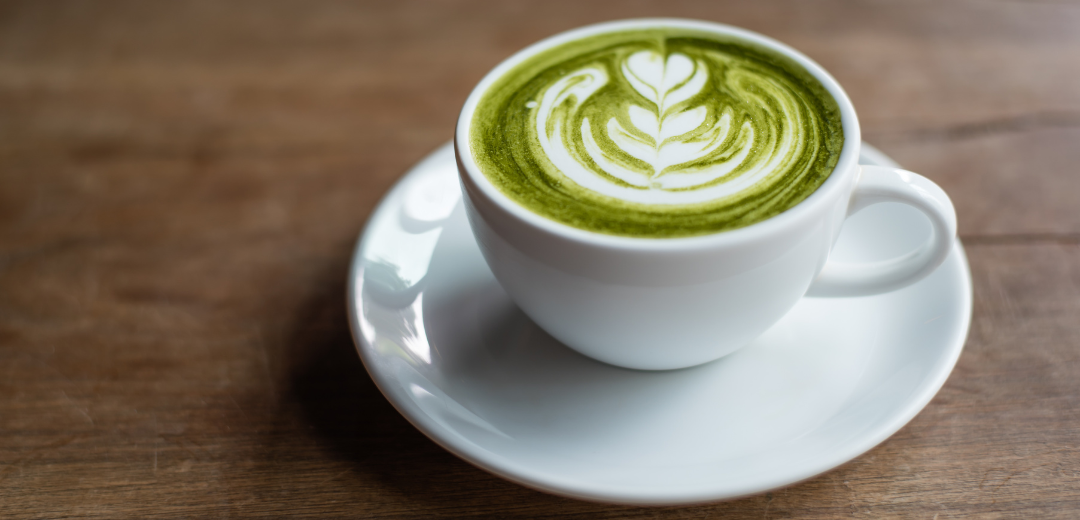
A matcha latte is a warm (or iced) drink that blends the bright, grassy flavor of stone-milled green tea powder with creamy frothed milk. The result is smooth, gently energizing, and a little less sharp than coffee. It’s become a café staple — but the question almost everyone types into Google first is whether it’s actually good for you.
Quick answer
Are matcha lattes healthy? An unsweetened matcha latte made with quality matcha and a plain milk is a sensible everyday drink: matcha is rich in antioxidants and pairs caffeine with the calming amino acid L-theanine for steady, jitter-light focus. The catch is sugar — café and bottled versions can carry as much added sugar as a dessert. Make it at home, keep it lightly sweetened, and a matcha latte is an easy, feel-good swap for sugary coffee drinks.
Note:
This article is for general information only and isn’t medical or nutritional advice. If you are pregnant, breastfeeding, sensitive to caffeine, or have a medical condition, check with your healthcare professional before making matcha lattes a daily habit.

What is a matcha latte?
Unlike regular green tea, where you steep the leaves and throw them away, matcha is the whole leaf ground into a fine powder — so when you whisk it into water and milk, you drink the entire leaf and everything in it. That’s why a matcha latte tastes richer and delivers more of matcha’s plant compounds than a brewed cup of green tea. If you want the full background on the powder itself, see our guide to what matcha is.
A classic matcha latte is just three things: matcha, a little hot water to whisk it smooth, and steamed or frothed milk. From there you can take it hot or iced, dairy or plant-based, plain or lightly sweetened.

Are matcha lattes good for you?
For most people, yes — in moderation, and depending on how you make it. Matcha is a concentrated source of antioxidants (especially the catechin EGCG), and it naturally pairs caffeine with L-theanine, an amino acid that promotes a calm, focused alertness. Small studies suggest the caffeine–L-theanine combination may support attention and focus while smoothing out the jittery edge caffeine can cause on its own, and L-theanine has been studied for its calming, stress-reducing effect.
The health of the drink, though, comes down to what you add. A typical café or Starbucks-style matcha latte is often pre-sweetened, and the added sugar and syrups can quickly outweigh the benefits. The simple fix: choose a good unsweetened, organic matcha, use a plain milk or unsweetened plant milk, and keep any sweetener light. As with anything, moderation matters — enjoy it as part of a balanced diet rather than overdoing it.
For the wider picture beyond lattes, our guide to matcha benefits goes deeper into the research.
Matcha latte benefits
Made well, a matcha latte can offer a few research-backed perks. Keep in mind these reflect matcha’s compounds in general — effects are usually modest and vary from person to person:
◆Antioxidant-rich. Matcha is made from shade-grown leaves high in catechins, which act as antioxidants and help the body counter everyday oxidative stress.
◆Calm, steady energy and focus. The caffeine–L-theanine pairing tends to give sustained alertness rather than a spike and crash.
◆May help with relaxation. L-theanine has been linked to a more relaxed yet attentive state, which many people value during work or study.
◆A lower-sugar swap. Replacing a sweet coffee order with a lightly sweetened matcha latte can meaningfully cut the sugar in your day.
◆Studied for heart and metabolic health. Green tea catechins have been explored for links to heart and metabolic health, though results are modest and not a substitute for overall lifestyle.
◆Plant compounds for skin support. The antioxidants in matcha are studied for their role in protecting cells, a reason it appears in many skincare routines.
For natural sweetness, lean on options like maple syrup, honey, or a rich kokuto (Okinawa black sugar) syrup instead of refined sugar — and pair with a plant milk such as oat or unsweetened almond for a clean, delicious cup.
Matcha latte pros and cons
A quick, honest balance sheet:
Pros
✓High in antioxidants from whole-leaf matcha
✓Calm, sustained energy (caffeine + L-theanine)
✓Low in calories when unsweetened
✓Easy swap for sugary coffee drinks
✓Works with any milk, hot or iced
Cons
–Café/bottled versions can be high in sugar
–Still contains caffeine — watch your total intake
–Whole milk or syrups add calories and fat
–Low-grade matcha can taste bitter
–Quality matcha costs more than a tea bag
Is a matcha latte healthier than coffee?
Both can fit a healthy routine, so there’s no single winner — it depends on how each is prepared. Coffee delivers more caffeine and its own antioxidants, and is great for a quick lift. Matcha provides less caffeine per serving but adds L-theanine, which is why many people find a matcha latte gives a calmer, steadier focus without the same jittery comedown.
The bigger difference is usually what goes in the cup: a black coffee and a plain matcha are both very low in calories, while a sugary flavored latte — matcha or coffee — is not. We compare them properly in matcha vs coffee, and break down amounts in our guide to matcha and caffeine.
Matcha latte calories: are matcha lattes fattening?
A matcha latte isn’t fattening by nature — the calories come almost entirely from the milk and any sweetener, not the matcha. The matcha powder itself adds only a few calories. Here’s roughly how a homemade cup compares with a sweetened café version:
| Matcha latte (about 12 oz) | Approx. calories |
|---|---|
| Unsweetened, water + matcha only | ~5 |
| Unsweetened almond milk, no sugar | ~40–60 |
| Oat milk, lightly sweetened | ~120–160 |
| Whole milk + syrup (café style) | ~200–300+ |
So if you’re watching calories, the lever is simple: unsweetened or lightly sweetened, with a lighter milk. We go deeper on this in our guide to matcha for weight management.
Can you drink a matcha latte every day?
For most healthy adults, a daily matcha latte is perfectly fine — many people enjoy one (or two) as a morning or early-afternoon ritual. The two things to keep an eye on are sugar and caffeine. A daily sweetened café latte adds up fast, so a homemade, lightly sweetened version is the better everyday choice.
On caffeine, a matcha latte typically carries less than a coffee, but it still counts toward your daily total, so listen to your body — especially if you’re sensitive or drinking it late in the day. If you want the detail, see our guide to matcha side effects, and check with a healthcare professional if you have any pre-existing conditions.
How to make a matcha latte at home
Making a matcha latte at home is quick, cheaper than a café, and lets you control the sugar. Here’s the classic method.
Classic hot matcha latte
Ingredients
◆1 tsp matcha green tea powder
◆2 oz hot water (not boiling, about 80°C / 175°F)
◆8 oz milk or unsweetened plant milk
◆1–2 tsp honey, maple or kokuto syrup (optional)
Instructions
- Sift the matcha into a small bowl, then whisk with the hot water until smooth and frothy. Fresh matcha gives the best color and flavor — storing it well helps (see matcha shelf life).
- Heat the milk in a saucepan until it just starts to steam — don’t boil it.
- Pour the steamed milk into a large mug.
- Add the whisked matcha and stir until well combined.
- Sweeten to taste, if you like, and stir until dissolved. Serve straight away.
New to whisking? Our step-by-step guide on how to make matcha covers the technique in detail.
Iced matcha latte
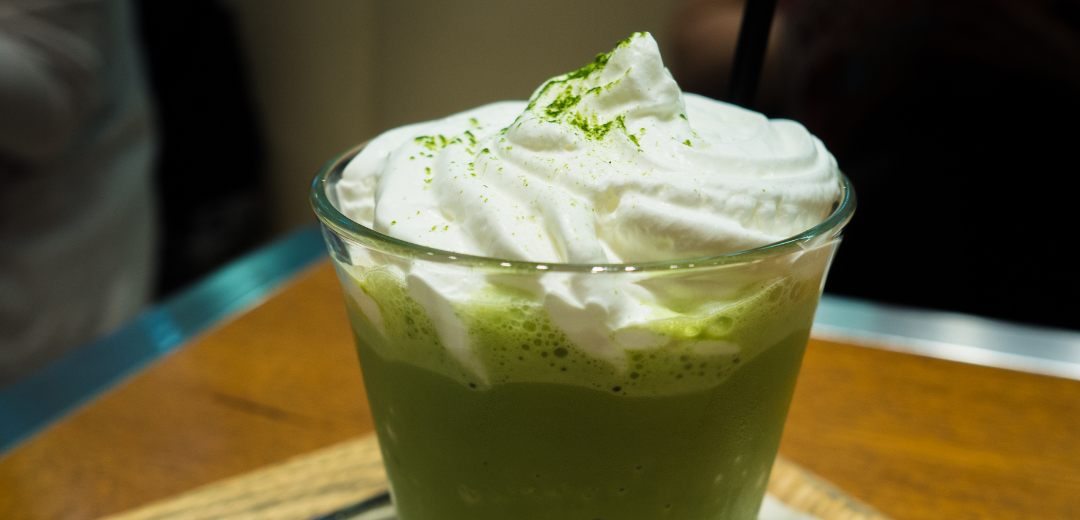
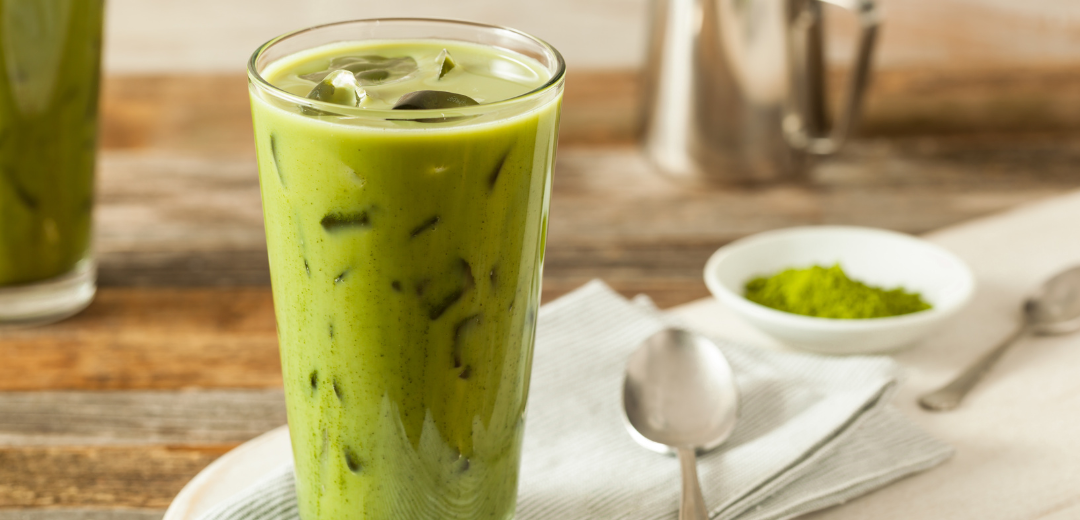
For a refreshing cold version: whisk 1 tsp matcha with 2 oz cool water until smooth, fill a glass with ice, pour over your milk of choice, then top with the matcha and stir. Sweeten lightly if desired. It’s the easiest summer swap for an iced coffee.
What equipment do you need?
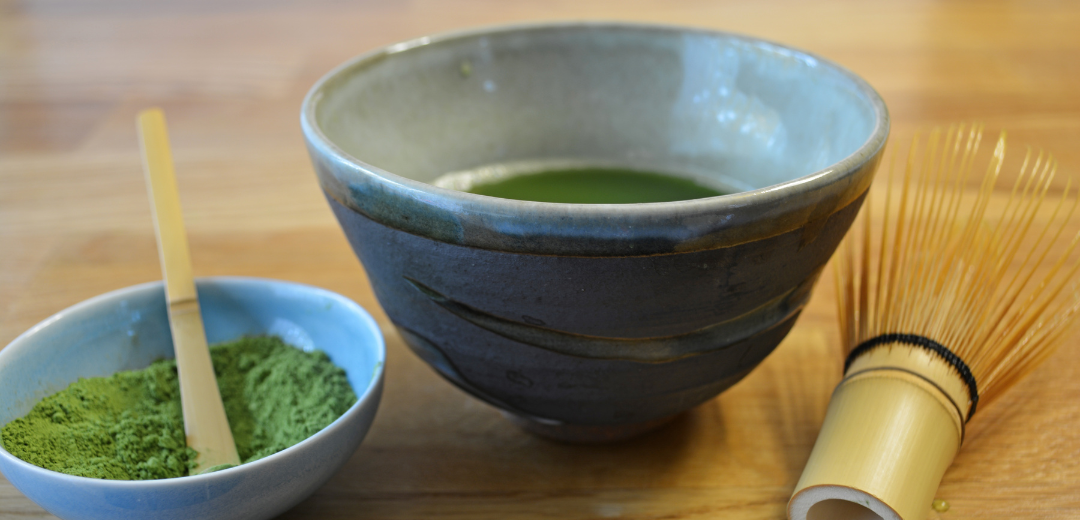
You don’t need much to make a great matcha latte at home:
◆Good-quality matcha powder
◆A small bowl
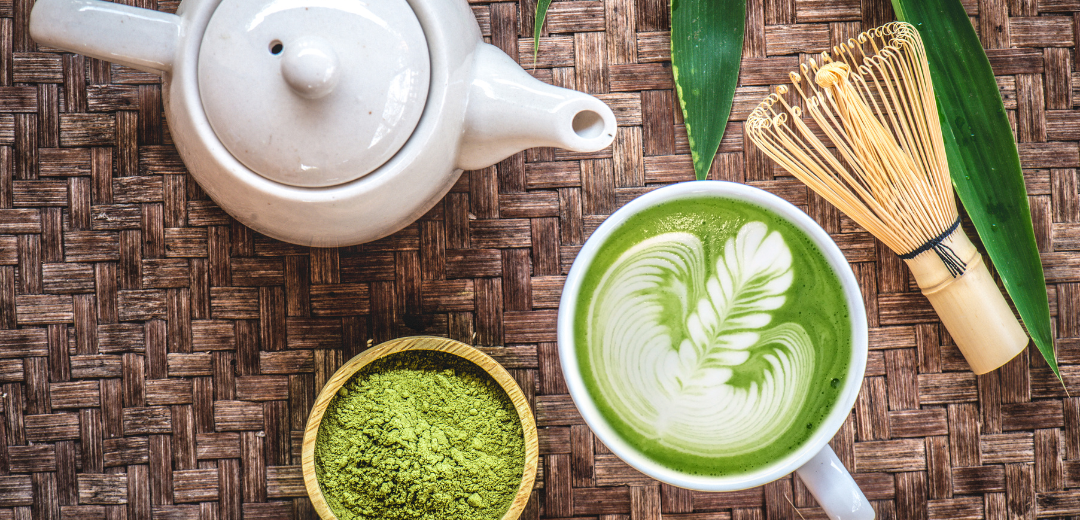
◆A traditional bamboo whisk (chasen) or a spoon
◆A saucepan or milk frother
◆A large mug or glass
A milk frother or a coffee machine’s steam wand makes things easier, but heating milk on the stovetop and frothing by hand works fine too. A small kitchen scale helps you keep the matcha-to-milk ratio consistent from cup to cup.

What matcha powder should you use?
Quality matters more here than anything else — the right matcha is the difference between a smooth, naturally sweet latte and a bitter, dull one. For lattes, a smooth ceremonial-style matcha works beautifully, and because it’s naturally less bitter you’ll reach for less sweetener.
Our organic Uji matcha Classic Blend is shade-grown and stone-milled in Kyoto, and is especially good in everyday lattes — bright green, smooth, and made to hold its own against milk. Choosing organic also means a pure product free from unwanted residues. If you’d like to compare grades first, see ceremonial vs culinary matcha.
Whatever you choose, freshness is everything: a bright, vivid green powder gives the best flavor, while dull, yellowed matcha tastes flat.

How to make matcha without a bamboo whisk
A bamboo whisk is traditional, but it’s not essential. If you don’t have one, you can still make a smooth, frothy matcha latte:
- Sift the matcha into a small bowl to remove any lumps.
- Add 2 oz of hot water and stir briskly with a spoon until fully dissolved and frothy.
- Sweeten lightly if you like, and stir to dissolve.
- Heat the milk until steaming — don’t boil — then froth it with a handheld frother, a blender, or by shaking it in a sealed jar.
- Pour the milk into a glass or mug, add the matcha, stir, and enjoy.
A jar-shake method is a great no-gadget trick: combine matcha and a little warm water in a lidded jar, shake hard, then add your milk.
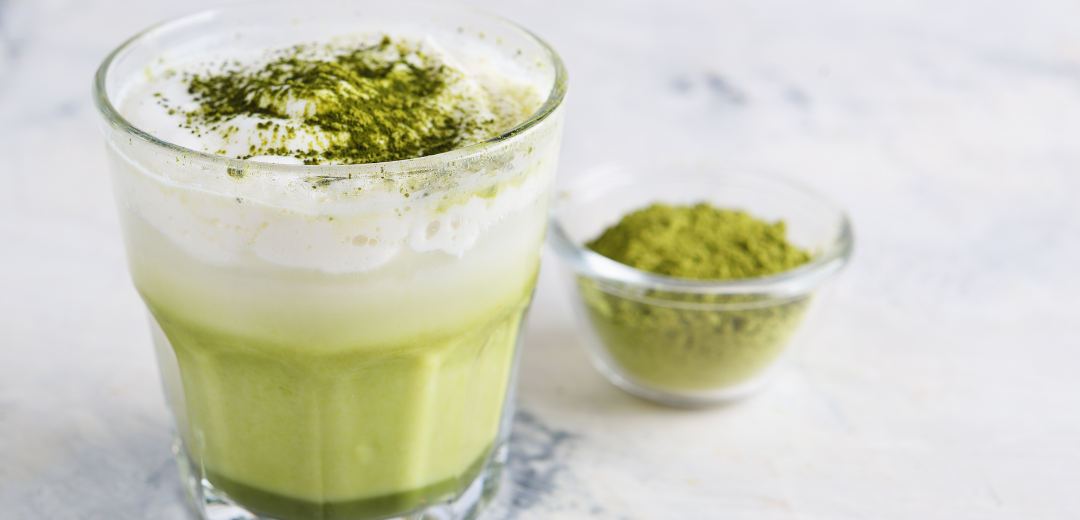
Popular matcha latte recipes to try
Once you’ve got the basics down, these variations are worth a try:
- Classic matcha latte — matcha, hot water and steamed milk, frothed until creamy.
- Matcha smoothie — blend matcha, almond milk, frozen banana and your favorite fruit for a quick, nutritious breakfast.
- Iced matcha latte — matcha and cool water over ice, topped with milk; perfect for warm days.
- Matcha latte with almond milk — the nutty flavor of almond milk pairs beautifully with matcha’s grassy notes.
- Matcha “frappé” — blend matcha, cold water, a touch of kokuto syrup and coconut milk with ice for a creamy frozen treat.
Whether you take your matcha hot or iced, sweet or unsweetened, there’s a version for you.
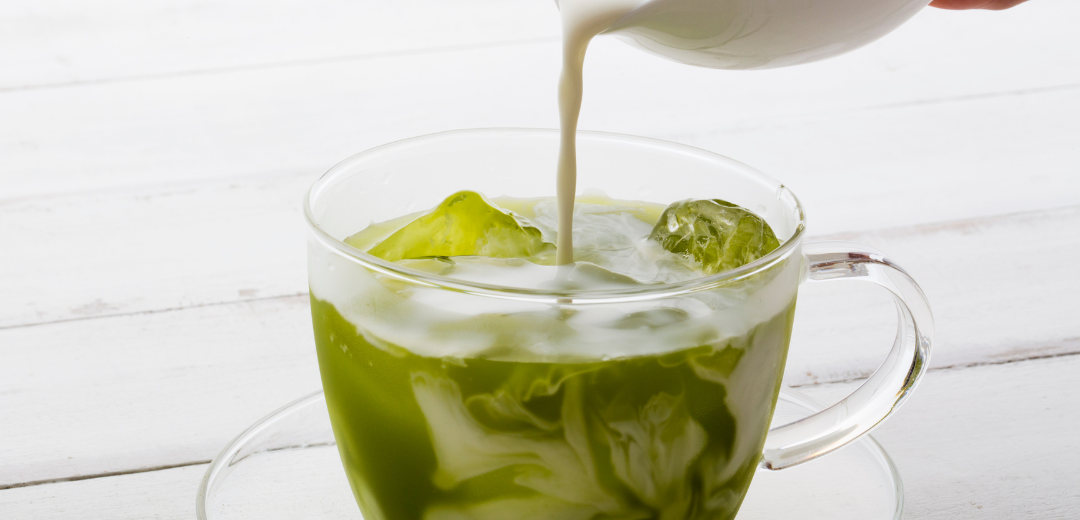
Which milk is best for a matcha latte?
The best milk comes down to taste and dietary needs — here’s how the popular options stack up:
◆Oat milk — the current favorite for matcha lattes. It’s creamy and naturally a little sweet, froths well, and its mild flavor lets the matcha shine. Dairy-free and vegan-friendly.
◆Almond milk — light, slightly sweet and nutty; a low-calorie choice (unsweetened) that complements matcha’s grassy notes.
◆Cow’s milk — the traditional pick, rich and creamy. Whole milk is most common; skim or low-fat make a lighter cup.
◆Soy milk — creamy with a gentle nutty taste; a good high-protein, plant-based option (it can occasionally curdle if the matcha mix is very hot).
◆Coconut milk — sweeter and richer, lovely for a treat, though higher in saturated fat than the others.
For an everyday, lower-calorie cup, unsweetened oat or almond milk is hard to beat. The “best” one is simply the one you enjoy most — experiment to find your favorite.
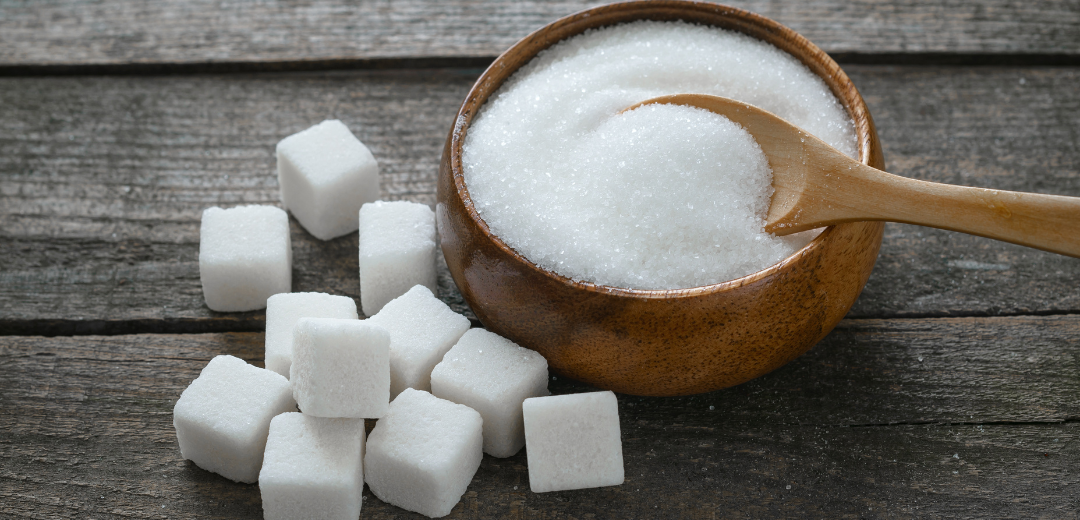
Do you put milk and sugar in matcha?
It’s entirely personal. Some people drink matcha with just water to enjoy its natural flavor; others prefer milk and a little sweetness. Milk softens the natural bitterness of latte-grade matcha and makes it more approachable, which can also help anyone sensitive to matcha’s effects like stomach discomfort.
Just remember that milk and sugar add calories, so if you’re keeping things light, go easy — and reach for natural sweeteners like maple, honey or kokuto syrup rather than refined sugar. Starting with a smooth ceremonial-style matcha helps most of all, since you’ll naturally want less sweetener.
Can you just add matcha to milk?
Yes — with one trick. Mix your matcha with a small splash of warm water or milk first to make a smooth paste, then add the rest of the milk and heat or pour over ice. That paste step stops the powder clumping. Frothing the milk afterwards gives you that creamy, café-style finish.
Use a good-quality, fresh matcha here too — low-grade or stale powder can taste bitter or flat no matter how you mix it. Experiment with the matcha-to-milk ratio until it’s just right for you.
Matcha latte FAQ
Are matcha lattes good for you?
Made with quality matcha and kept unsweetened or lightly sweetened, a matcha latte is a sensible everyday drink — rich in antioxidants and offering calm, steady energy. The main downside is added sugar in café and bottled versions, so a homemade cup is the healthiest choice.
Is a matcha latte healthier than coffee?
Neither is universally healthier — it depends on preparation. Plain matcha and black coffee are both very low in calories. Matcha has less caffeine but adds L-theanine for a calmer focus, while coffee gives a stronger lift. Sugary versions of either are the least healthy.
Is it OK to drink a matcha latte every day?
For most healthy adults, yes. A daily matcha latte is fine in moderation — just watch the sugar and your total caffeine. A homemade, lightly sweetened latte is a better everyday habit than a sweetened café one. Check with a healthcare professional if you’re sensitive to caffeine or have a medical condition.
How many calories are in a matcha latte, and are they fattening?
The matcha itself adds only a few calories; the calories come from milk and sweetener. An unsweetened latte with almond milk is roughly 40–60 calories, while a sweetened café latte with whole milk can top 250. Matcha lattes aren’t fattening on their own — keep them unsweetened with a lighter milk to keep calories low.
Is an unsweetened matcha latte healthy?
Yes — an unsweetened matcha latte is one of the healthier café-style drinks you can make. You get matcha’s antioxidants and calm energy with very little sugar, especially when paired with unsweetened oat or almond milk.
Is a matcha latte with oat milk healthy?
Oat milk is a popular, dairy-free choice that’s naturally creamy and lightly sweet, so it pairs well with matcha and often needs no added sugar. Choose an unsweetened or barista oat milk to keep it light, and it makes a genuinely healthy latte.
What’s the difference between a matcha latte and matcha tea?
Matcha tea (usucha) is just matcha whisked with hot water — brighter, more intense, and almost calorie-free. A matcha latte adds steamed or frothed milk for a creamier, milder, more comforting drink. Same matcha, different experience.
Is an iced matcha latte healthy?
Just as healthy as a hot one — it’s the same matcha and milk, served cold. The health depends on sweetener and milk, not temperature. Whisk matcha with cool water, pour over ice and milk, and keep added sugar light.
Make a better matcha latte at home
Smooth, organic Uji matcha, stone-milled in Kyoto — bright enough to enjoy with any milk.
Shop Classic Blend All matcha