

Handcrafted in Japan · 茶碗
Japanese Matcha Bowls (Chawan)
Bowls made in Japan for whisking and drinking matcha — glazed ceramic, hand-blown glass, and spouted katakuchi styles, each chosen for balance, whisking comfort, and character.
Browse the bowlsChosen by hand
A small collection, selected in Japan
Every chawan here is handcrafted in Japan and selected by us for real-world use — smooth whisking, comfortable handling, and proper temperature feel — for both traditional tea ceremony practice and everyday matcha at home. Because each bowl is made by hand, no two are exactly alike.
Chawan


Premium Health Japan
Plum Blossom Glass Matcha Bowl — Japanese Hira-gata Chawan
$36.00


Premium Health Japan
Edo Elegance Matcha Bowl — Japanese Ceramic Chawan
$30.00


Premium Health Japan
Teal Glaze Matcha Bowl — Tenmoku-Style Japanese Chawan
$25.00


Premium Health Japan
Soothing Retreat Matcha Bowl — Japanese Ceramic Chawan
$33.00
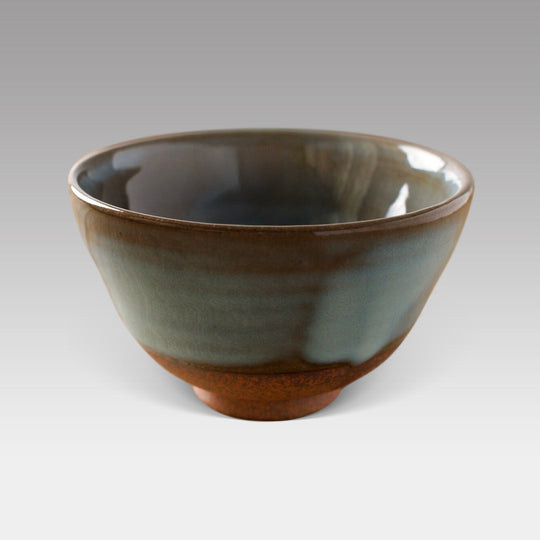
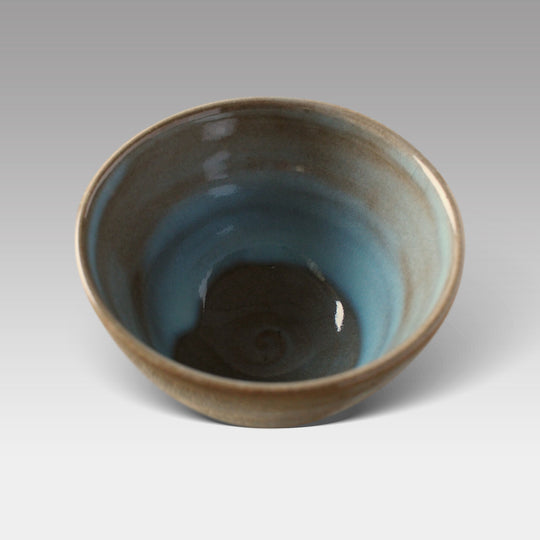
Premium Health Japan
Mashiko Essence Matcha Bowl — Japanese Ceramic Chawan
$36.00


Premium Health Japan
Origami Matcha Bowl with Spout — Matte Black Japanese Katakuchi Chawan
$59.00
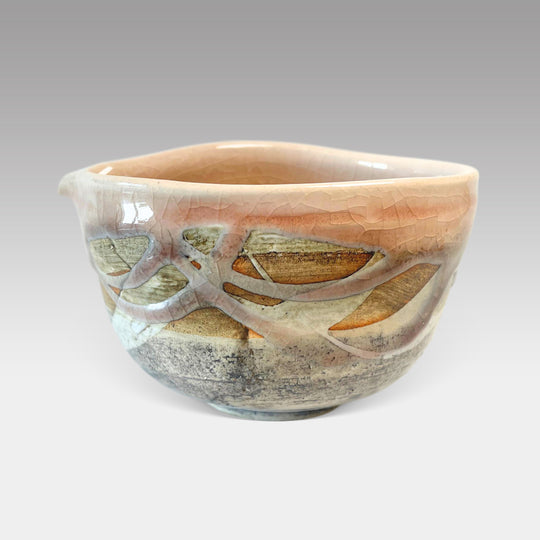
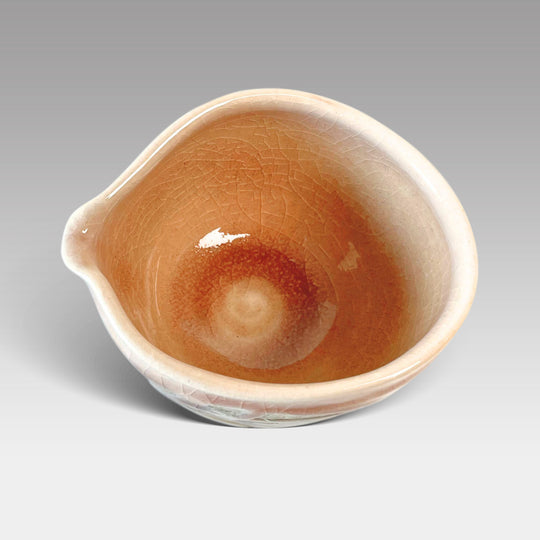
Premium Health Japan
Pink Nagashi Matcha Bowl with Spout — Japanese Katakuchi Chawan
$47.00


Premium Health Japan
Ninsei Inspired Shōchikubai Matcha Bowl — Japanese Ceramic Chawan
$50.00


Premium Health Japan
Cherry Blossom Matcha Bowl — Japanese Sakura Chawan (Made in Japan)
$35.00
The essential vessel
What is a matcha tea bowl?
A matcha bowl is a wide, open tea bowl designed for whisking matcha powder with hot water using a bamboo whisk (chasen). Unlike a standard cup, a proper matcha chawan lets the whisk move freely in a fast “W” or “M” motion, raising a fine foam and a smooth, creamy texture without splashing.
In Japanese tea ceremonies, the bowl also plays a symbolic role: the host presents its most beautiful side toward the guest as a sign of respect. The chawan is both the preparation vessel and the drinking bowl — the single most personal tool in matcha preparation.

Form follows whisking
Why the right matcha bowl matters
The design and craftsmanship of a chawan tea bowl directly affect how matcha tastes, feels, and looks. A well-made bowl:
- Provides enough width for smooth, controlled whisking
- Maintains proper temperature through clay thickness and firing
- Protects delicate bamboo whisk tines with a rounded interior base
- Enhances aroma, mouthfeel, and visual enjoyment
High-quality matcha bowls have a smooth, non-porous interior that blends matcha evenly with hot water while preventing whisk damage.

Chanoyu · 茶の湯
Matcha bowls in Japanese tea ceremonies
Matcha bowls have been central to Japanese tea ceremonies for centuries. Their forms, glazes, and proportions evolved to reflect seasonality, function, and aesthetic values such as wabi-sabi — an appreciation for imperfection, texture, and natural variation.
The bowl chosen for a ceremony reflects not only temperature, but mood, setting, and the character of the gathering. Traditionally, bowls are selected by season:
Winter · 冬
Deeper, thicker bowls hold heat and warm the hands.
Summer · 夏
Wider, shallower bowls let matcha cool quickly.
Know the shapes
Types of Matcha Bowls (Chawan)
These are the most common shapes used in Japanese tea practice. Each profile changes how the bowl whisks, holds heat, and presents the tea.
Wan-nari
椀なり · Standard
The gently curved, beginner-friendly shape. It gathers matcha at the center, making whisking smooth and controlled — ideal for everyday preparation.
Most of our ceramic chawan →Hira-gata
平形 · Wide & shallow
A wide, shallow chawan made for summer. The broad surface cools matcha quickly while giving the whisk plenty of room.
In the collection: Plum Blossom glass →Tsutsu-gata
筒形 · Cylindrical
Taller, straight-sided bowls that hold heat well and support a deep froth — traditionally favored in the colder months.
Tenmoku-gata
天目 · Conical
Deep, conical bowls with narrow bases and traditional dark or metallic glazes — a formal aesthetic associated with structured ceremony settings.
In the collection: Teal Glaze tenmoku-style →Raku
楽 · Hand-shaped
Hand-shaped bowls with thick walls and organic forms. Raku ware embodies wabi-sabi and retains heat exceptionally well — suited to winter use.
Katakuchi
片口 · Spouted
A modern favorite: a whisking bowl with a pouring spout, made for preparing matcha and pouring it cleanly into a cup or latte.
In the collection: Origami matte black →These are only a few of the many chawan styles in Japanese tea culture — countless variations exist, shaped by season, region, and the hands of individual potters.
From the kiln
Materials, Clay & Glaze
Most high-quality matcha bowls are crafted from ceramic or stoneware and fired at high temperatures for durability and thermal stability. The clay, firing method, and glaze together determine how a bowl performs during whisking and drinking.
Stoneware
Thick and earthy with excellent heat retention — the natural choice for winter bowls and slow, warming preparation.
Porcelain & Glass
Lighter-bodied, with clean surfaces that highlight matcha’s vivid green — well suited to summer and modern table settings.
Glaze finishes
Glaze shapes grip, texture, and visual character — from speckled Mashiko-style surfaces to deep tenmoku tones and nagashi drips.
A smooth, non-porous interior matters most: it blends the matcha evenly and protects the fine tines of your chasen.

A buyer’s checklist
How to Choose the Right Matcha Bowl
- DiameterIdeally 4–5 inches (10–13 cm) — enough room for a fast whisking motion.
- InteriorA rounded base prevents the whisk from snagging and wearing.
- WeightThickness affects temperature retention and how the bowl sits in the hands.
- SeasonLighter, wider bowls for summer; heavier, deeper bowls for winter.
- CharacterColor, glaze, and form — choose the bowl you’ll want to reach for daily.
Many modern matcha bowls are dishwasher safe — check the individual product page; we recommend hand-washing handcrafted glazed pieces.
Small batches, single pieces
Crafted for preparation — and made to be given
Our bowls are produced in small batches by skilled artisans, reflecting generations of Japanese pottery tradition while remaining practical for modern homes. Each piece in the collection is selected for real-world usability, from whisking performance to comfortable handling.
That also makes a handcrafted chawan a meaningful gift for matcha lovers and tea ceremony practitioners: every bowl is one of a kind, with subtle variations in glaze, form, and texture that no two pieces share.
Complete the ritual
A chawan works best with the right tools
Pair your bowl with a handcrafted bamboo whisk and finely milled Japanese matcha for smooth preparation, balanced flavor, and mindful enjoyment.
Takayama craft
Bamboo Whisks (Chasen)
Handcrafted whisks — including rare Takayama chasen from one of the last 16 artisan families.
Milled in Japan
Japanese Matcha
Ceremonial blends, rare single cultivars, and JAS-certified organic matcha from Uji and beyond.
Step by step
How to Make Matcha
Water temperature, whisking technique, and ratios — our complete preparation guide.
Common questions
Matcha bowls, explained
What is a matcha bowl called?
A matcha bowl is called a chawan (茶碗), which simply means “tea bowl” in Japanese. A chawan with a pouring spout is called a katakuchi — a practical modern style for pouring whisked matcha into a cup or latte.
Can I use a regular bowl to make matcha?
You can start with any wide bowl, but a proper chawan makes a real difference: the width gives the whisk room for a fast “W” motion, and the rounded interior base protects the delicate bamboo tines. Narrow or flat-bottomed kitchen bowls tend to splash and wear out a chasen quickly.
What size should a matcha bowl be?
A diameter of about 4–5 inches (10–13 cm) is ideal for whisking. Deeper bowls suit winter, as they hold heat; wider, shallower bowls suit summer, letting the matcha cool quickly.
Are matcha bowls dishwasher safe?
Many modern glazed matcha bowls are dishwasher safe — check the individual product page for each bowl. For handcrafted and delicately glazed pieces, we recommend a gentle hand wash with warm water to preserve the glaze and finish.
Why does my bowl look slightly different from the photos?
Because each chawan is made by hand, small variations in glaze, color, and form are natural — and prized. In Japanese tea culture this individuality reflects wabi-sabi: no two handcrafted bowls are ever identical, so yours is genuinely one of a kind.