

Hand-carved · 茶筅
Bamboo Matcha Whisks (Chasen)
The one tool no bowl of matcha can do without. From rare Takayama chasen carved by the Suikaen family to a dependable everyday 100-prong whisk — plus the scoop, holder, and set that complete the ritual.
Browse the whisksWhy it matters
The whisk makes the matcha
Whether you’re preparing a ceremonial bowl of usucha or a quick matcha latte, a proper bamboo matcha whisk (chasen) is what turns powder and water into a smooth, fine-foamed bowl — no electric frother reaches the same microfoam. Every whisk we sell is quality-checked in Japan before it ships.
Chasen


Premium Health Japan
100-Prong Bamboo Matcha Whisk – Handcrafted & Japan Quality Checked
$20.00
(Save $6.00)
Premium Health Japan
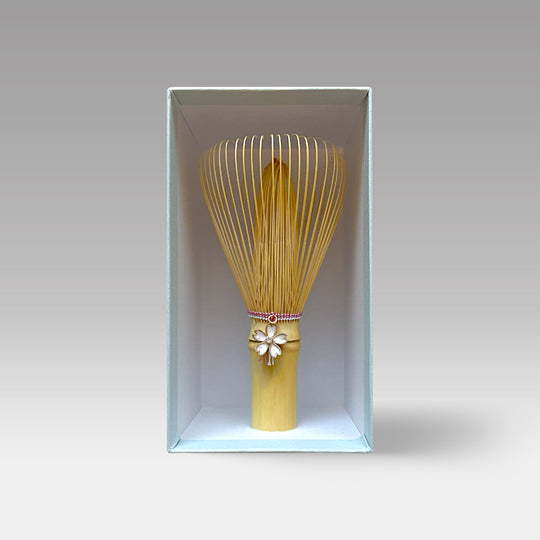
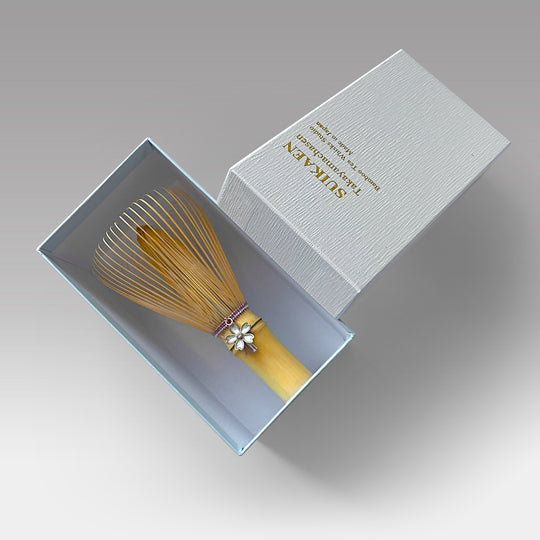
Takayama Chasen – Sakura Charm (Pink Thread) | Handmade Bamboo Matcha Whisk
$117.00
Premium Health Japan
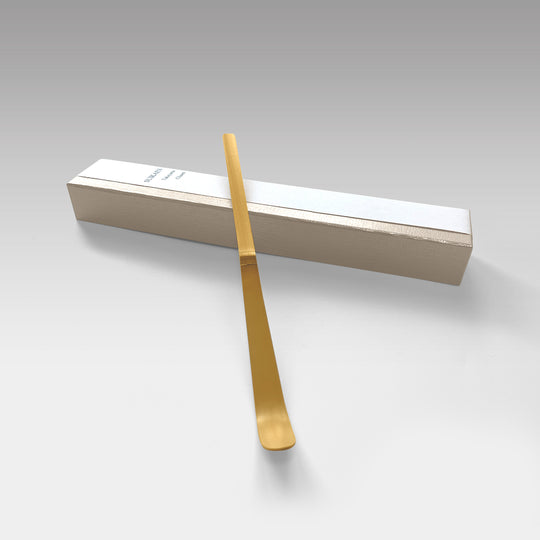
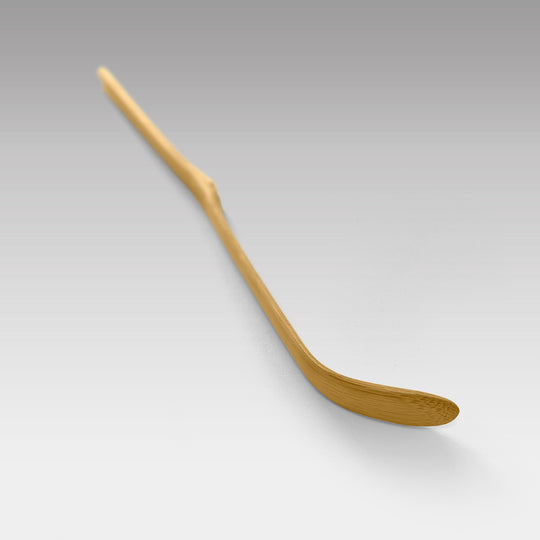
Bamboo Tea Scoop Made by Suikaen Takayama
$36.00


Premium Health Japan
Matcha Whisk Holder – Chasen Stand from Suikaen Takayama
$27.00


Premium Health Japan
Matcha Whisk Set – Bamboo Chasen, Chashaku & Holder
$38.00
(Save $7.00)
The essential tool
What is a chasen?
A chasen is a bamboo matcha whisk, carved from a single piece of bamboo — no glue, no nails. The maker hand-splits the bamboo into dozens of fine tines: the outer tines curl inward to froth the surface, while the straight inner core keeps the whisk’s shape, bound together by the kagari-ito thread.
Moved in a fast “W” motion across the bowl, those flexible tips aerate matcha into a fine, creamy microfoam that a spoon — or an electric frother — can’t reproduce. It’s why the chasen has remained essentially unchanged for five centuries.
Our range, honestly
Two whisks, two purposes
We keep the whisk range deliberately small: an everyday performer we recommend to most matcha drinkers, and a heritage piece from Takayama. Both follow the same traditional design — dozens of fine tines, hand-split from a single piece of bamboo.
Daily performer · 100 prongs
100-Prong Bamboo Whisk
Hand-carved in China to the traditional single-bamboo design, then individually quality-checked in Japan before it ships. Its higher tine count makes fine, creamy foam easier than lower counts — which is why this is the whisk we recommend for daily bowls, lattes, and café service.
Shop the 100-prong whisk →Heritage · Takayama craft
Takayama Chasen by Suikaen
Hand-carved in Takayama-chō (Ikoma, Nara) — the historic home of chasen-making — by Suikaen, one of the last 16 artisan families keeping the 500-year tradition alive. We receive only 2–3 small deliveries a year, and they typically sell out within a week.
Shop the Takayama chasen →Performance won’t hold you back with either — the 100-prong whisks a beautifully fine foam every day. What the Takayama adds is provenance: the hands of one of the last sixteen families. Many customers keep both — one for the daily bowl, one for the moments that deserve a story.

Takayama-chō, Nara · 高山
Takayama chasen: 500 years in one village
Nearly every genuine Japanese chasen comes from one place: Takayama-chō in Ikoma, Nara — a village that has carved matcha whisks since the 1400s. The craft passes from parent to child, and today only around 16 artisan families remain.
Our Takayama chasen are made by Suikaen, one of those families. Each whisk begins as a single section of bamboo, hand-split into tines, shaped, and bound — the same way it was done five centuries ago. No two whisks are identical, because no machine touches them.
The Suikaen family also makes our bamboo chashaku scoops and ceramic whisk stands, so a complete Takayama set comes from a single workshop.
~16
artisan families left carrying the Takayama chasen tradition
2–3
small deliveries reach us each year — that is all we can secure
~1 week
is how long a delivery typically lasts before selling out
Sold out? Open the Takayama chasen product page and request a back-in-stock alert — we’ll email you the moment the next delivery from Suikaen arrives. In the meantime, the 100-prong whisk makes the same fine, creamy foam for your daily bowls.
80 or 100?
What do prong counts mean?
The number of tines (prongs) changes how a chasen behaves in the bowl. Neither is “better” — they suit different teas and hands.
More tines (100-prong)
Finer, more numerous tips aerate quickly and forgive imperfect technique — the easiest route to a smooth, fine foam on usucha (thin matcha) and lattes. Our recommendation for beginners and daily drinkers.
Fewer tines (80-prong)
The classic Takayama count: slightly sturdier tines with traditional spring and feel. Whisks beautiful usucha and handles koicha (thick matcha) kneading better — the choice of practiced hands and tea ceremony use.
In Japan you’ll see counts from 16 to 120 — the higher counts demand thinner tines and finer carving, which is part of what makes a hand-made high-count chasen impressive.

Make it last
How to care for your matcha whisk
- First useSoak the tines in warm water for a minute to soften them and relax the curl.
- After whiskingRinse with warm water only — never soap, never the dishwasher — and shake dry.
- DryingRest it on a ceramic whisk stand (kusenaoshi) so the tines dry in their proper curved shape instead of warping inward.
- StorageKeep it on the holder, out of direct sun — not sealed in its plastic case, which traps moisture.
- Replace whenTines start snapping or the curl flattens out. With daily use and good care, expect months of service — a bamboo whisk is a consumable, not a forever tool.
A matcha whisk holder (kusenaoshi) is the single best way to extend a whisk’s life — or pick up the whisk set with chasen, chashaku, and holder together.
Complete the ritual
A whisk works best with the right partners
Pair your chasen with a proper bowl and finely milled Japanese matcha — the three essentials of a smooth, fine-foamed bowl.
Handcrafted in Japan
Matcha Bowls (Chawan)
Ceramic, glass, and spouted katakuchi bowls — shaped for whisking and chosen by hand.
Milled in Japan
Japanese Matcha
Ceremonial blends, rare single cultivars, and JAS-certified organic matcha from Uji and beyond.
Step by step
How to Make Matcha
Water temperature, the “W” whisking motion, and ratios — our complete preparation guide.
Common questions
Matcha whisks, explained
How do I clean a matcha whisk?
Rinse the tines under warm running water immediately after whisking, gently swishing to release matcha — no soap, no scrubbing, and never the dishwasher. Shake off the water and let it dry on a ceramic whisk holder (kusenaoshi) so the tines keep their curved shape.
How long does a chasen last?
A bamboo whisk is a consumable: with daily use and proper care, expect several months to a year of service. Replace it when tines begin to snap or the inward curl flattens out — broken tines whisk poorly and can end up in your tea.
What does “100-prong” mean?
It’s the number of bamboo tines the whisk head is split into. More tines (100) make fine foam faster and are the most forgiving for beginners and lattes; the traditional 80-prong count has slightly sturdier tines, suited to tea ceremony use and thick koicha as well as everyday usucha.
What makes Takayama chasen special?
Takayama-chō in Nara has made chasen for around 500 years, and the craft survives in only about 16 artisan families. Each whisk is carved entirely by hand from a single piece of bamboo. Ours come from the Suikaen family in just 2–3 small deliveries a year — they typically sell out within a week of arriving.
Can I use an electric frother instead?
For a milk-based latte, an electric frother works fine. For matcha and water, a chasen still wins: its dozens of fine tips break up clumps against the bowl and build a finer, more stable microfoam — and the thirty seconds of whisking is half the ritual.
Is the 100-prong whisk a downgrade from the Takayama chasen?
No — if anything, the higher tine count makes fine foam easier to raise. Both whisks follow the same traditional construction, hand-split from a single piece of bamboo, and every whisk we sell is individually quality-checked in Japan. What you’re choosing with the Takayama is provenance — a whisk carved by one of the last sixteen artisan families in the craft’s 500-year home. Day to day, the two whisk equally lovely usucha.
Do I need a matcha whisk holder or stand?
It’s the best small investment you can make in your whisk. A kusenaoshi supports the tines in their proper curve while drying, preventing the warping and cracking that ends most whisks early — it can meaningfully extend a chasen’s life.