

Matcha Guides & Education
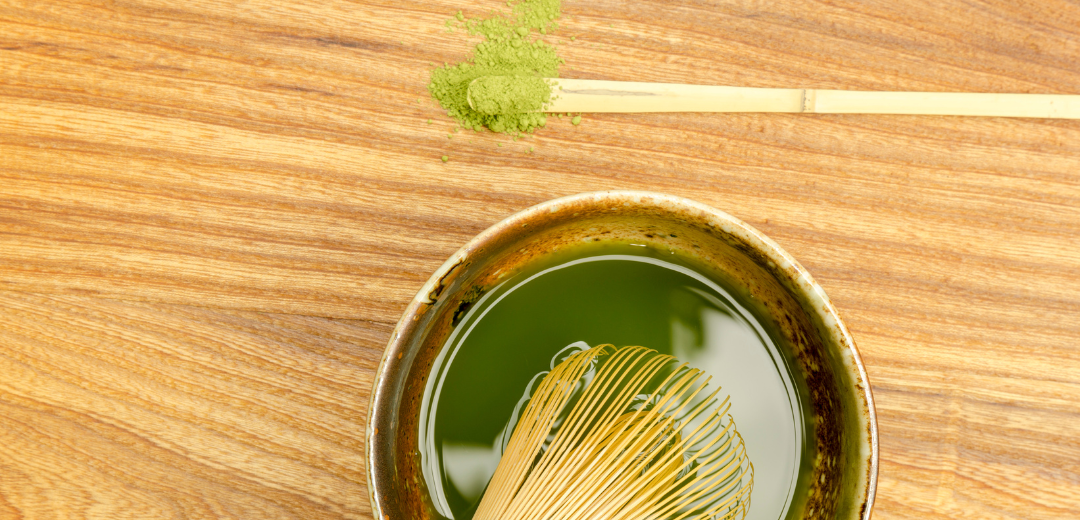
How Matcha May Support Healthy Weight Management
Does matcha really help with weight loss? An honest, evidence-based look at matcha, metabolism, and calories — and the best way to drink it as part of a balanced routine,...
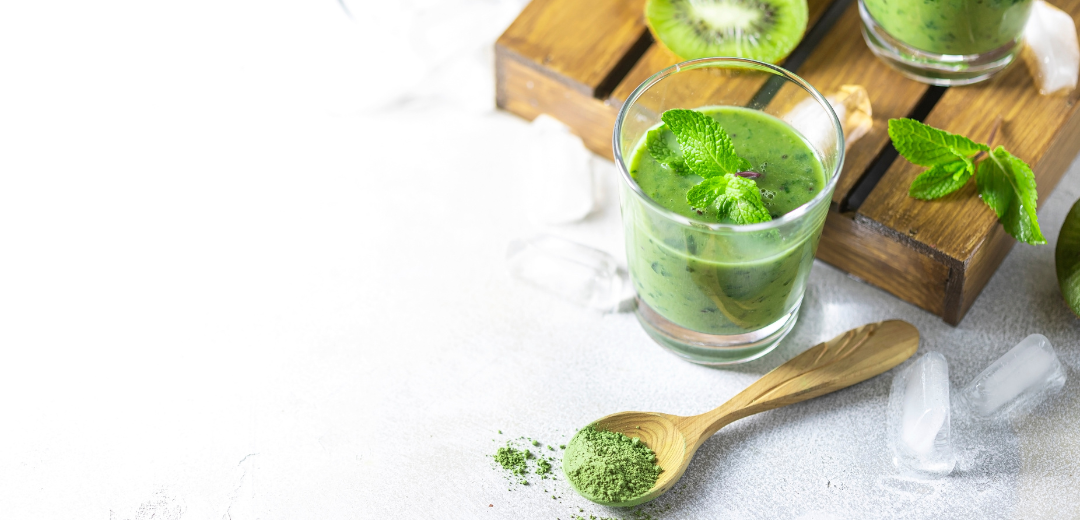
Uji Matcha · Healthy Living
If you’ve searched for whether matcha helps with weight loss, you’ve probably found everything from breathless “fat-burning tea” promises to flat dismissals. The honest answer sits in between. Matcha — the finely stone-milled Japanese green tea powder traditionally prepared in Kyoto and Uji — is not a weight-loss product, and no single drink ever is.
What matcha can be is a genuinely useful habit inside a balanced routine. A plain bowl is almost calorie-free, naturally caffeinated, and rich in the plant compounds researchers have studied for their modest effects on metabolism. Drink it instead of a sugary latte and the calorie math alone can work in your favor.
This guide covers what the research actually shows about matcha and weight, how many calories matcha contains, the best way to drink it, when to drink it, and how much is sensible — so you can decide whether it deserves a place in your day. New to matcha entirely? Start with our primer on what matcha is.
Quick answer
Does matcha help you lose weight? Matcha itself does not cause weight loss. But because a plain bowl contains only a few calories — and because the catechins and caffeine it provides have been linked in research to small increases in fat oxidation and energy use — it can support a weight-management routine built on a balanced diet, regular movement and good sleep. Its biggest practical benefit is simple: it makes an easy, low-calorie swap for sugary drinks.
Important:
This article is for general education only and is not medical or nutritional advice. Matcha on its own will not cause weight loss and should be enjoyed as part of a balanced diet, regular movement and healthy sleep. If you are pregnant or breastfeeding, have a medical condition, take medication, or are sensitive to caffeine, please speak with your healthcare professional before changing your diet or caffeine intake.
What this guide covers
Does matcha help with weight loss?
The most useful way to answer this is to separate what matcha does from what the internet often claims it does. Matcha will not melt fat or override an unbalanced diet. What it offers is a small set of advantages that, used consistently, can make a healthy routine a little easier to stick to.
Most of the relevant research has looked at green tea extracts rich in catechins and caffeine — the same compounds found in good Japanese matcha. Across these studies, the combination of catechins (especially EGCG) and caffeine has been associated with modest increases in energy expenditure and fat oxidation compared with a placebo. Reviews of longer trials have reported small reductions in body weight and waist measurements, though the effects are generally minor and vary a lot from person to person.
In other words, the science points to a gentle, supportive role rather than a dramatic one. Think of matcha as one helpful habit among many — not the lever that does the work on its own.

Is matcha high in calories?
No — prepared plain, matcha is one of the lowest-calorie drinks you can make. A traditional bowl of usucha uses around 1 gram (about half a teaspoon) of pure matcha powder whisked with hot water, which contributes only about 3 to 5 calories. Because you drink the whole leaf, you also get its plant compounds for almost no calories at all.
The calories only climb when you add things — milk, syrups, sugar, or sweetened ready-made versions. Here is how a plain bowl compares with common alternatives:
| Drink | Typical calories | Added sugar? |
|---|---|---|
| Plain matcha (1 g, water) | ~3–5 | None |
| Matcha latte, unsweetened plant milk | ~50–90 | None |
| Sweetened bottled tea or energy drink | ~80–140 | Usually high |
| Flavored café latte or frappé | ~150–300+ | Usually high |
This is where matcha earns its place most reliably. Swapping one sweet coffee-shop drink a day for plain matcha or a light, unsweetened latte can quietly remove a meaningful number of calories from your week — without feeling like deprivation. If you want to keep it lean, see how grades differ in our ceremonial vs culinary matcha guide.
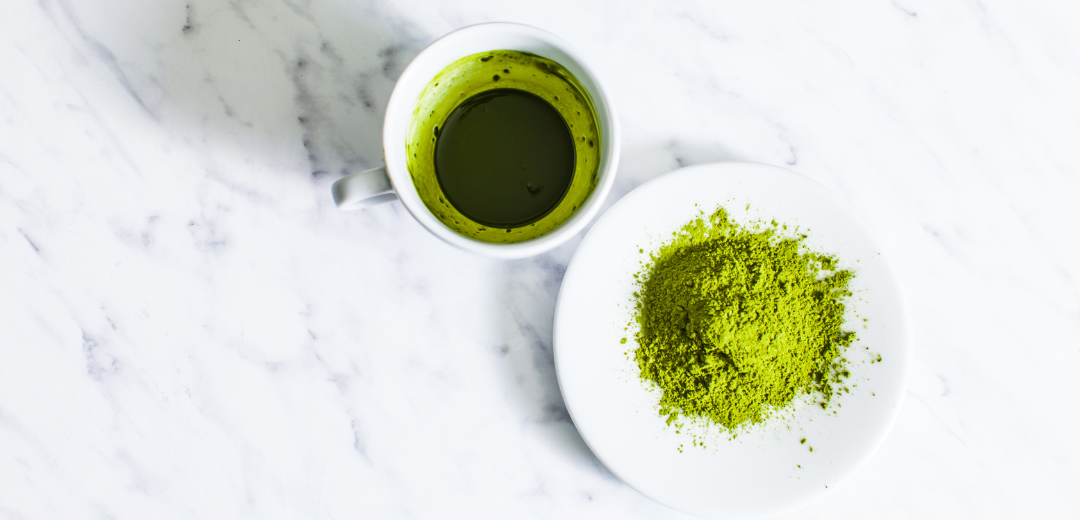
What the research says about matcha, metabolism and fat oxidation
Matcha naturally contains caffeine — usually around 30–40 mg per gram — alongside a high concentration of catechins, because it is made from whole, shade-grown leaves that are stone-milled into powder. You can read more about how that process concentrates these compounds in our overview of how matcha is made.
Several controlled studies have found that green tea catechins combined with caffeine can slightly raise resting energy expenditure and the share of energy the body draws from fat, particularly during light activity. Participants in these trials usually didn’t change their diets dramatically; the effect came from the compounds themselves. Trials running over several weeks have reported small improvements in body-fat measures, but the changes are typically modest.
The honest takeaway: the effect is real but small, and it depends on the dose, your overall diet, your activity levels, and your individual physiology. Matcha can nudge things in a helpful direction; it doesn’t do the heavy lifting.
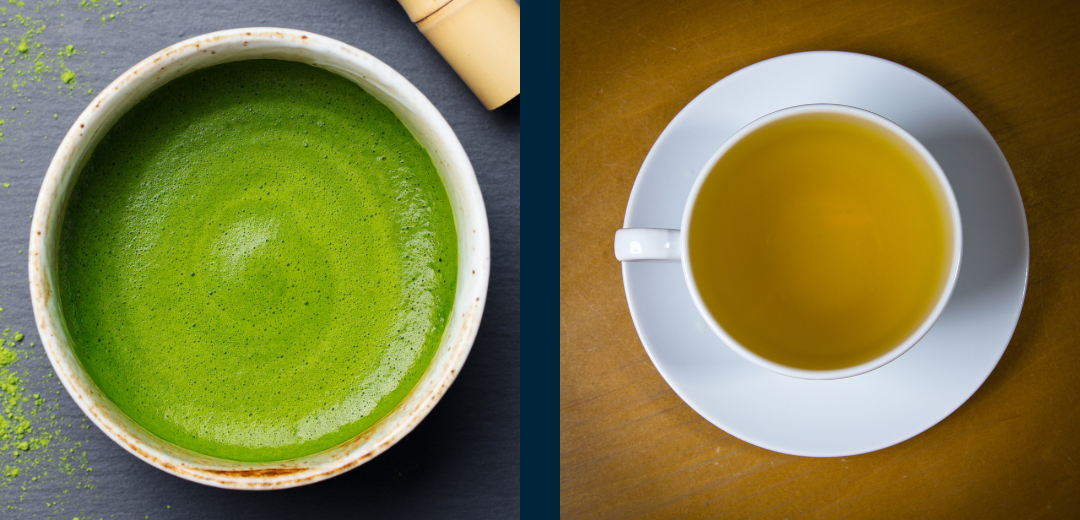
Matcha vs coffee and green tea for weight management
Matcha and brewed green tea come from the same plant, but they aren’t identical in practice:
◆Shading: Matcha leaves are shaded before harvest, which raises chlorophyll, amino acids and certain catechins.
◆Whole-leaf: You whisk and drink the entire powdered leaf rather than steeping and discarding it, so you take in more of its compounds per serving.
◆Concentration: Cup for cup, matcha generally delivers more catechins and L-theanine than a typical brew of green tea.
That makes matcha a convenient, concentrated way to include green-tea polyphenols daily — though it doesn’t make regular green tea “worse.” If you’re weighing them up, our deep dives on matcha vs green tea and matcha vs coffee compare them in detail.
Versus coffee, the practical difference many people notice is feel: matcha’s caffeine arrives alongside L-theanine, which tends to soften the spike-and-crash pattern and the jitters that can come from coffee alone.
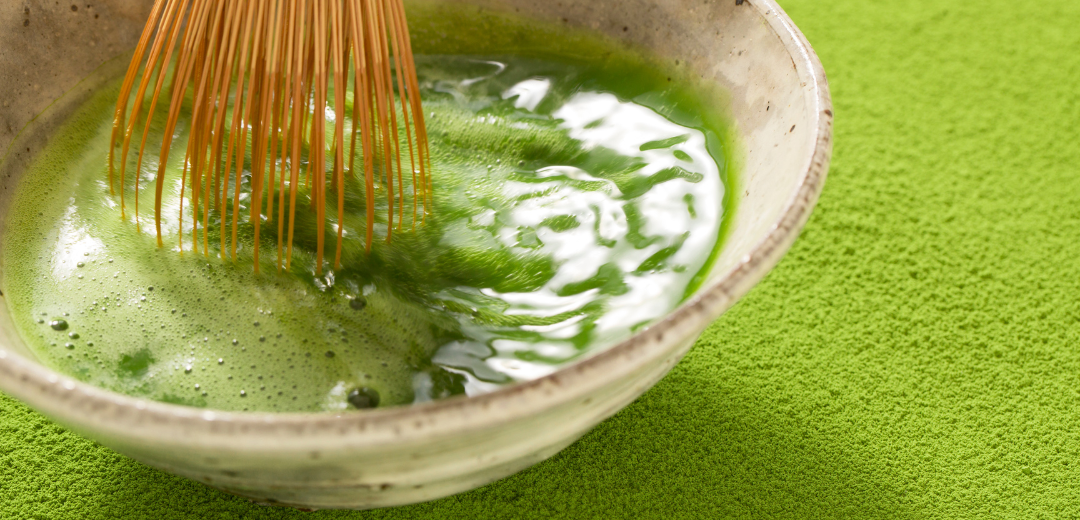
The best way to drink matcha for weight management
There is no “fat-burning” recipe, but a few simple habits keep matcha working in your favor rather than against it:
◆Keep it unsweetened. Prepare matcha with hot water, or with a modest amount of milk or plant milk. If you like it sweet, start with the smallest amount of honey or sugar and reduce it over time.
◆Use about 1–2 teaspoons (2–4 g) per serving. Adjust to your taste and caffeine sensitivity.
◆Make it your sugary-drink swap. Replacing soft drinks, sweet bottled teas, and high-calorie coffee orders with matcha is where the biggest, most reliable impact happens.
◆Sift and whisk for a smoother bowl. A quick sift prevents clumps and makes plain matcha far more enjoyable, which makes it easier to keep the sugar out.
For whisking technique and ratios, follow our step-by-step guide on how to make matcha tea, and if you’re choosing a tin to start with, the matcha buying guide explains what to look for.

When is the best time to drink matcha?
Timing won’t make or break your results, but a couple of patterns suit most people:
◆Morning or early afternoon. Drinking matcha earlier in the day lets you enjoy the caffeine without it interfering with sleep — and good sleep matters more for weight than any single drink.
◆Before gentle movement. A bowl 30–60 minutes before a walk, stretch or workout can provide steady, focused energy. Many people find this easier to sustain than coffee.
◆In place of an afternoon snack-and-soda habit. If 3 p.m. usually means a sweet drink, a warm bowl of matcha can fill that ritual slot with almost no calories.
You don’t need to work out to benefit. If a structured routine isn’t your thing, pair matcha with light movement you actually enjoy — a post-lunch walk, some stretching, or gentle yoga — and let the sugary-drink swap do the quiet work.
How much matcha should you drink per day?
Most healthy adults do well with up to 2–3 servings of matcha per day. Because each gram carries roughly 30–40 mg of caffeine, two to three bowls keeps you comfortably within typical daily caffeine guidance for healthy adults — but individual tolerance varies, so let how you feel be your guide.
If you’re sensitive to caffeine, you may want less, or to keep matcha to the morning only. You can read more on amounts and the calm-energy effect in our notes on matcha and caffeine, and on what to watch for in our guide to matcha side effects.
More is not better here. Drinking large amounts won’t accelerate weight loss, and it can lead to restlessness or disrupted sleep — which tends to work against your goals.
Matcha’s nutritional profile at a glance
Because matcha is made from whole, shaded, stone-milled leaves, a single 1-gram serving is a concentrated, nutrient-dense alternative to empty-calorie drinks. It provides:
◆Catechins (including EGCG) — antioxidant plant compounds studied for their role in metabolic health.
◆L-theanine — an amino acid associated with calm focus and reduced perceived stress.
◆A moderate dose of caffeine — around 30–40 mg per gram, for steady energy.
◆Small amounts of vitamins and minerals such as vitamin C, vitamin K, potassium and manganese.
It’s not a multivitamin and shouldn’t be treated as one, but as a daily drink it adds plant compounds to a varied diet while costing you almost nothing in calories. For the wider picture, see our overview of matcha benefits.
Energy, focus and appetite awareness
One reason people reach for matcha while managing their weight is simply the way it makes them feel. Thanks to the pairing of caffeine and L-theanine, matcha often delivers:
◆Mild, sustained energy rather than a sharp spike and crash.
◆Improved focus for work or study.
◆A short, intentional pause in the day — especially when it’s whisked by hand in a chawan.
That calmer focus can make it easier to notice your body’s hunger and fullness signals instead of eating out of boredom or stress. Some people find that an unsweetened matcha between meals helps them feel more settled and less drawn to snacking — though, like everything here, this varies from person to person.
The honest bottom line
Matcha is a habit, not a magic bullet
Matcha won’t erase an unbalanced diet, and it can’t target fat in any one area — no food or drink can. What it can be is a low-calorie, antioxidant-rich ritual that may gently support fat oxidation, provide steady energy, and — most usefully — replace the sugary drinks that quietly add up.
Pair high-quality Japanese matcha with mindful eating, movement you enjoy and regular sleep, and it becomes part of a sustainable lifestyle rather than a quick-fix “weight loss tea.”
Matcha and weight loss: frequently asked questions
Does matcha help you lose weight?
Not on its own. Matcha is almost calorie-free when prepared plain, and its catechins and caffeine have been linked in research to small increases in fat oxidation, so it can support a weight-management routine. The clearest benefit is using it to replace higher-calorie, sugary drinks. Lasting results still come from overall diet, movement and sleep.
Is matcha good for weight loss compared with other drinks?
As a daily drink, yes — mostly because it is so low in calories and a satisfying swap for sweet beverages. It also provides a concentrated dose of green-tea catechins. Just keep it unsweetened or lightly sweetened, since added sugar and syrups are what turn a near-zero-calorie bowl into a high-calorie treat.
Is matcha high in calories?
No. A plain bowl made with about 1 gram of matcha and hot water has only around 3–5 calories. Calories come from what you add — milk, sweeteners or pre-sweetened versions — not from the matcha powder itself.
What is the best way to drink matcha for weight loss?
Keep it unsweetened or very lightly sweetened, use about 1–2 teaspoons per serving, and use it specifically to replace sugary drinks. Plain matcha with hot water or a splash of unsweetened plant milk keeps the calories low while still giving you the catechins and a calm energy lift.
When should I drink matcha?
Morning or early afternoon suits most people, so the caffeine doesn’t affect sleep. A bowl 30–60 minutes before a walk or workout can provide steady, focused energy. Replacing a mid-afternoon sweet drink with matcha is one of the easiest wins.
Can I drink matcha every day?
Most healthy adults can enjoy 2–3 servings a day. Each gram has roughly 30–40 mg of caffeine, so a few bowls usually stay within typical caffeine guidance — but tolerance varies. If you are sensitive to caffeine, pregnant, breastfeeding, or have a medical condition, check with your healthcare professional.
Does matcha burn belly fat?
No drink can target fat in a specific area, and matcha is no exception. Research suggests catechins and caffeine may modestly support overall fat oxidation, but spot reduction isn’t something matcha — or any food — can do. A balanced diet and regular movement remain the foundation.
Ready to make matcha part of your daily ritual?
Organic, stone-milled Uji matcha — smooth enough to enjoy plain, and a clean swap for your sugary drink.
Organic Classic Blend Shop all matcha
About the Author
Luke Alcock is the founder of Premium Health Japan, based in Kyoto and Osaka. He works directly with Uji tea farmers, sourcing authentic ceremonial-grade matcha and supporting brands around the world with OEM and private label services.